
Summary
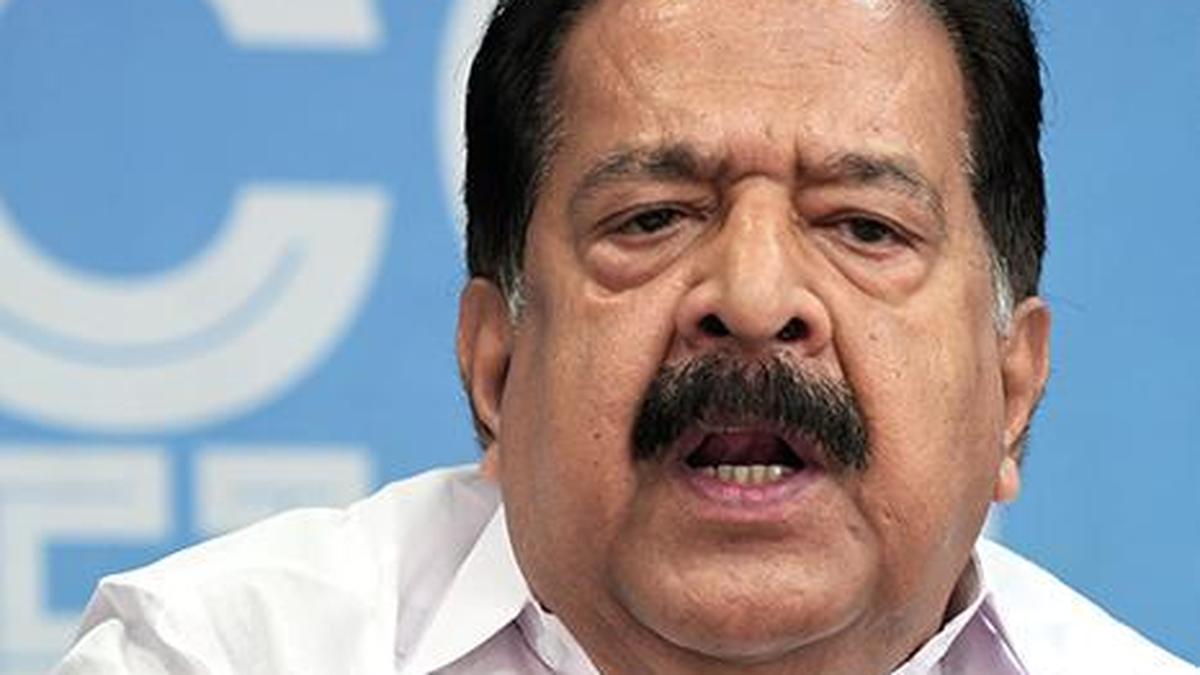
Kerala is currently facing a difficult situation with its electricity supply, leading to power restrictions across the state. Ramesh Chennithala, a senior leader from the Congress party, has blamed the current state government for this crisis. He claims that the government led by Pinarayi Vijayan made poor decisions that resulted in a shortage of power. According to the leader, the government cancelled important power deals that were meant to keep the state’s energy supply stable and affordable.
Main Impact
The main impact of this situation is that the people of Kerala are now facing regular power cuts and the threat of higher electricity bills. Because the state does not have enough power from its own sources or through long-term deals, it must buy electricity from the open market at very high prices. This puts a heavy financial burden on the state’s electricity board and, eventually, on the citizens who have to pay for it. The lack of steady power also affects daily life, schools, and small businesses that rely on a constant supply of energy.
Key Details
What Happened
Ramesh Chennithala explained that the previous government, led by the United Democratic Front (UDF), had signed two major long-term power purchase agreements. These agreements were designed to provide Kerala with a steady flow of electricity for many years at a fixed, low price. However, the current Left Democratic Front (LDF) government decided to cancel these contracts. Chennithala argues that the reasons given for the cancellation were small and unimportant. He believes the government acted carelessly, which has now left the state without enough power to meet the needs of its people.
Important Numbers and Facts
The dispute centers on two specific long-term agreements that were meant to secure power for the state over a long period. By cancelling these deals, the state lost access to hundreds of megawatts of electricity that would have been much cheaper than what is available now. Currently, the state has to look for alternative sources to fill the gap. When the state buys power at the last minute from the national market, the price can be three or four times higher than the price set in the original agreements. This has led to a massive gap in the budget of the Kerala State Electricity Board (KSEB).
Background and Context
Kerala relies heavily on hydroelectric power, which comes from water in dams. This means that when there is not enough rain, the state cannot produce enough electricity on its own. To fix this, the state signs agreements with power companies in other parts of India. These are called Power Purchase Agreements (PPAs). Long-term agreements are usually better because they protect the state from sudden price changes in the energy market. The UDF government signed these deals to make sure Kerala would not run out of power during the hot summer months or during years with low rainfall. The decision to cancel these deals has now become a major political and economic issue in the state.
Public or Industry Reaction
The public reaction has been one of frustration. Many people are unhappy about the unscheduled power cuts that happen during the day and night. Business owners have expressed concern that the high cost of power will make it harder for them to stay in business. On the political side, the opposition is using this issue to show that the government failed to plan for the future. They argue that the government’s "negligence" is the direct cause of the current hardship. Meanwhile, the government has tried to defend its actions, but the pressure from the public and the opposition continues to grow as the power situation stays unstable.
What This Means Going Forward
Looking ahead, the state government will have to find a way to get more power quickly. This might mean signing new contracts, but these are likely to be much more expensive than the ones that were cancelled. There is also a risk that electricity rates for regular homes will go up soon to cover the rising costs. If the state does not find a long-term solution, power cuts could become a permanent part of life in Kerala during certain times of the year. The government will also face more questions about why it chose to cancel the previous deals without having a better plan ready to take their place.
Final Take
The current power crisis in Kerala is a clear example of how political decisions can have a direct effect on the lives of everyday people. By cancelling long-term energy deals, the government has created a situation where the state is short on power and short on money. To fix this, the state needs to move away from political blame and focus on securing a steady and affordable supply of electricity. Without a clear plan, the people of Kerala will continue to pay the price for these past mistakes through higher bills and dark evenings.
Frequently Asked Questions
Why is Kerala facing power restrictions?
Kerala is facing power restrictions because the state does not have enough electricity to meet demand. This is partly due to the cancellation of long-term power deals and a reliance on water-based power that depends on rainfall.
What are the long-term power agreements mentioned by Chennithala?
These were contracts signed by the previous government to buy electricity at a low, fixed price for many years. The current government cancelled them, which Chennithala says was a major mistake.
Will electricity bills go up in Kerala?
There is a high chance that bills will go up. Since the state is buying expensive power from the open market to fill the gap, the extra cost is likely to be passed on to the customers in the form of higher rates.



