
Summary
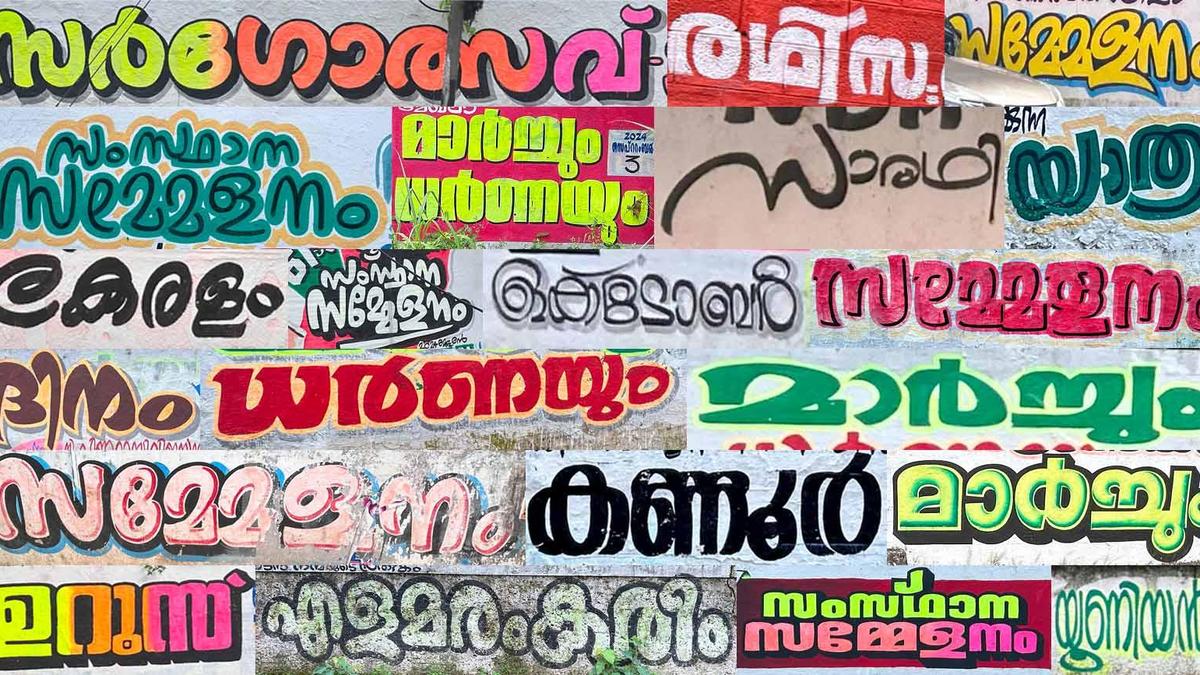
Neetha Joseph K, a researcher from IIT Hyderabad, has completed a detailed study on the hand-painted political signs found on walls across Kerala. Her research paper, titled "The Visual Voices of Kerala’s Politics," looks at how local artists use different styles of Malayalam lettering to share political messages. By studying eight different districts, she has recorded a unique form of street art that is slowly disappearing due to modern technology. This work highlights how everyday curiosity about design can lead to important cultural discoveries.
Main Impact
The primary impact of this research is the recognition of street painters as significant contributors to Kerala's visual culture. For a long time, hand-painted graffiti was seen only as a tool for elections, but this study treats it as a serious form of typography and design. It shows that the way a message is written is just as important as the message itself. By documenting these styles now, the research saves a piece of history that is being replaced by digital printing and plastic banners.
Key Details
What Happened
Neetha Joseph K, who is pursuing her doctoral studies, became interested in how letters are shaped and designed. This interest led her to look at the walls of her home state, Kerala. She noticed that political slogans were not just written in plain text; they were painted with specific flourishes, shadows, and colors. She traveled through eight districts to photograph these walls and talk to the people who paint them. Her goal was to see how the Malayalam script changes from one area to another and how different political parties use visual styles to stand out.
Important Numbers and Facts
The study focused on eight out of the fourteen districts in Kerala to get a wide view of the state's styles. The research specifically looks at "typography," which is the art of arranging and designing letters. It covers decades of wall writing traditions, noting how painters use cheap materials like lime wash and enamel paint to create art that lasts through heavy rain and sun. The paper also points out that while digital printing is faster, it lacks the unique "human touch" found in these hand-painted works.
Background and Context
Kerala has a long history of active politics. For many years, the most common way to reach voters was by painting slogans on compound walls and public buildings. This created a job for local artists who specialized in "wall writing." These artists had to be fast, but they also wanted their work to look good. Over time, they developed their own ways of drawing Malayalam characters. Some used thick, bold lines to show strength, while others used slanted letters to show movement. This tradition turned the streets into an open-air gallery, but as digital "flex" banners became cheaper and more common, the demand for hand-painted signs began to drop.
Public or Industry Reaction
Designers and historians have praised the study for focusing on "folk" typography. Often, academic studies focus on famous designers or expensive projects. By looking at street graffiti, Neetha Joseph has brought attention to the skill of unnamed workers. People in the design community are interested in how these local styles can inspire new digital fonts. Meanwhile, cultural experts see this as a vital record of Kerala's social life, as these paintings often reflect the local issues and the mood of the public during different time periods.
What This Means Going Forward
This research opens the door for more studies on local art forms that are often ignored. It suggests that there is a wealth of design knowledge in our everyday surroundings. In the future, this documentation could help font creators design new Malayalam typefaces that feel more authentic to the region. It also serves as a reminder of the environmental impact of political campaigning. While hand-painted signs eventually fade or get painted over, plastic banners often end up as waste. This study might encourage a return to more traditional, sustainable ways of sharing messages in public spaces.
Final Take
The work of Neetha Joseph K shows that art is not just found in museums; it is painted on the walls we pass every day. By looking closely at the curves and colors of political slogans, she has turned a common sight into a valuable academic record. This study ensures that even if the physical walls are repainted, the creative spirit of Kerala’s street artists will not be forgotten.
Frequently Asked Questions
What is the main focus of Neetha Joseph K's research?
The research focuses on the different styles of hand-painted Malayalam lettering used in political graffiti across eight districts in Kerala.
Why is this research important for the history of Kerala?
It records a traditional art form that is disappearing. Hand-painted signs are being replaced by digital banners, so this study preserves the visual history of how politics was communicated for decades.
What is typography in the context of this study?
In this study, typography refers to the specific way letters are shaped, colored, and styled by local painters to make political messages more eye-catching and effective.



