Summary
Kerala is currently facing a major shortage of commercial Liquefied Petroleum Gas (LPG) cylinders. This supply crisis is causing significant worry across the state, especially within the hospitality and food service industries. Restaurant owners warn that if the situation does not improve quickly, many businesses may have to shut down temporarily. Additionally, the scarcity is expected to drive up the cost of food, making it more expensive for everyday people to eat out or order meals.
Main Impact
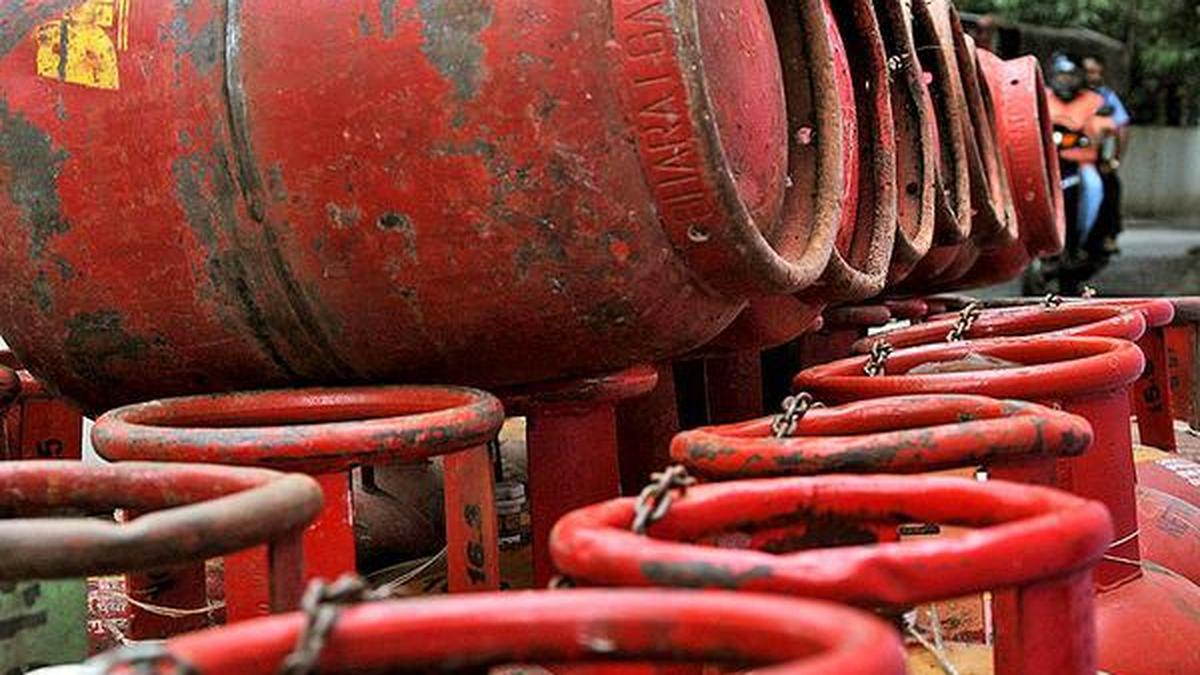
The primary impact of this shortage is being felt by hotels, restaurants, and catering services that rely on large 19kg gas cylinders for their daily operations. Unlike home kitchens, these businesses cannot function without a steady supply of commercial fuel. The lack of available cylinders has forced some smaller eateries to reduce their working hours or limit their menus. For the general public, the most immediate effect will be a rise in food prices as business owners try to cover the increasing costs and difficulties of sourcing fuel.
Key Details
What Happened
In recent weeks, the distribution of commercial LPG cylinders across Kerala has slowed down significantly. Reports suggest that supply chains from major oil companies have faced delays, leading to a backlog of orders. Many hotel owners have stated that they are waiting days longer than usual for their refills. This delay has created a sense of panic in the market, with some businesses trying to stock up on whatever supply is left, further worsening the shortage for others.
Important Numbers and Facts
The hospitality sector in Kerala consists of thousands of small and large businesses. Most of these establishments use the 19kg commercial blue cylinders. While domestic gas cylinders for homes are still available, it is illegal for businesses to use them. The price of a commercial cylinder is already significantly higher than a domestic one, often fluctuating based on global oil prices. Currently, the lack of supply is the bigger issue than the price itself, as even those willing to pay more cannot find enough stock to keep their kitchens running for a full day.
Background and Context
LPG is the backbone of the modern food industry in India. In a state like Kerala, where the tourism and food sectors are vital to the economy, any disruption in fuel supply has a ripple effect. Commercial LPG is sold at market rates and does not receive the same subsidies as home gas. This means businesses are already sensitive to any changes in the market. The current shortage is believed to be linked to maintenance issues at certain bottling plants and logistical challenges in transporting the gas from refineries to local distributors.
This is not the first time the state has faced fuel supply issues, but the timing is particularly bad. Many businesses are still trying to recover from past economic challenges and high inflation. A sudden stop in the supply of cooking gas adds an extra layer of pressure that some small business owners may not be able to survive.
Public or Industry Reaction
The Kerala Hotel and Restaurant Association (KHRA) has expressed deep concern over the situation. Industry leaders have pointed out that they cannot simply switch to electric cooking or other fuels overnight. The infrastructure in most commercial kitchens is built specifically for high-pressure gas burners. Street food vendors and small tea shops are also feeling the heat, as they often have very little cash flow and cannot afford to miss even a single day of business.
Customers are also starting to notice the change. Some restaurants have already added small surcharges to their bills, while others have removed certain items that require long cooking times. There is a growing demand for the state government to step in and talk to oil companies to ensure that Kerala receives its fair share of the national gas supply.
What This Means Going Forward
If the shortage continues for another week, the hospitality industry warns of a "domino effect." First, smaller cafes will close, followed by larger hotels reducing their services. This would lead to job losses for kitchen staff, cleaners, and delivery drivers. Furthermore, if food prices go up now, they rarely come back down even after the supply returns to normal. This could lead to long-term food inflation in the state.
To prevent a total crisis, oil companies need to speed up the bottling process and clear the backlog of orders. The government may also need to look at better storage facilities within the state to ensure that temporary supply chain breaks do not lead to such widespread panic in the future. For now, business owners are being forced to wait and hope that the next delivery truck arrives on time.
Final Take
The commercial LPG shortage in Kerala is a reminder of how fragile the food supply chain can be. While it may seem like a simple logistical problem, it threatens the livelihoods of thousands of workers and the budgets of millions of consumers. Quick action from both the government and fuel suppliers is necessary to keep the stoves burning and the economy moving. Without a steady supply of fuel, the state's famous food culture and its essential tourism industry could face a difficult period ahead.
Frequently Asked Questions
Why is there a shortage of commercial LPG in Kerala?
The shortage is mainly due to delays in the supply chain, including maintenance at bottling plants and logistical issues in transporting the cylinders to local distributors.
Will this affect the price of food in restaurants?
Yes, many industry experts believe that if the shortage continues, restaurants will be forced to increase their prices to cover the higher costs and the difficulty of obtaining fuel.
Can restaurants use domestic gas cylinders instead?
No, it is illegal for commercial establishments to use domestic LPG cylinders. They must use the specific 19kg commercial cylinders, which are taxed and priced differently.