
Summary
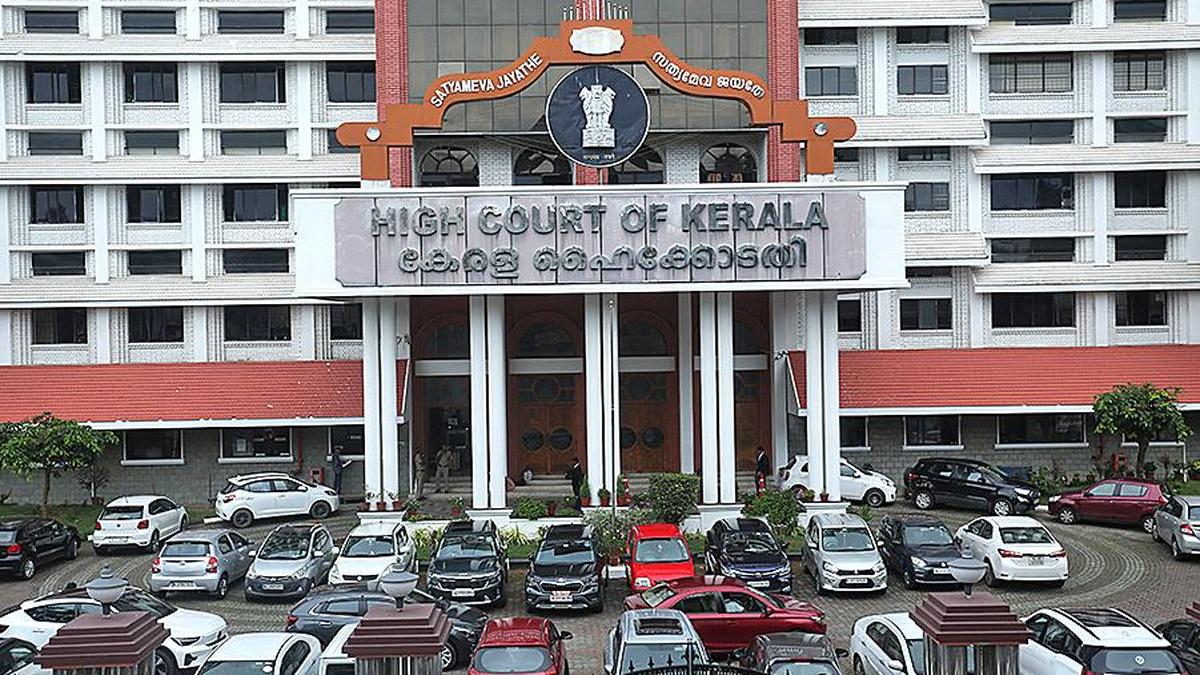
The Kerala High Court has taken a firm stand against a recent state-wide strike called by Dalit and Adivasi organizations. The court started a "suo motu" contempt case, which means the judges acted on their own after seeing potential law-breaking. This legal move comes after the strike, known locally as a hartal, caused disruptions across the state. The court is now looking into whether the organizers followed the legal rules required for calling such a protest.
Main Impact
This action by the High Court highlights the strict legal environment surrounding public protests in Kerala. By initiating contempt proceedings, the court is signaling that no group can ignore the established rules for calling a general strike. The main impact is a push for greater accountability. Organizers may now face legal penalties if it is proven they bypassed the mandatory notice period or if the protest led to public harm. This case serves as a reminder that the right to protest must be balanced with the rights of the general public to go about their daily lives.
Key Details
What Happened
The Dalit and Adivasi groups called for a state-wide hartal to voice their concerns over specific social and legal issues. During the day of the strike, various parts of Kerala saw a shutdown of shops and a decrease in public transport. While many protests remained peaceful, there were reports of minor incidents and forced closures in some areas. The High Court observed these events and decided to intervene because the strike appeared to violate a previous court order regarding how hartals should be organized.
Important Numbers and Facts
The court has officially asked the Director General of Police (DGP) to provide a comprehensive report on the day's events. This report must detail any acts of violence, damage to public or private property, and the overall impact on the state. Additionally, the court issued formal notices to the individuals and leaders who gave the call for the strike. Under existing Kerala law, any organization planning a state-wide strike must provide at least seven days of public notice. The court is investigating if this one-week warning was given to the public and the government.
Background and Context
In Kerala, the word "hartal" refers to a total strike where businesses close and transport stops. For many years, these strikes happened frequently and often without much warning. This caused significant problems for daily wage workers, students, and people needing medical care. To fix this, the Kerala High Court passed a landmark ruling several years ago. This ruling stated that sudden strikes are illegal because they violate the fundamental rights of citizens who do not wish to participate.
The law now requires a seven-day notice so that the government can arrange security and the public can plan their travel or work. The Dalit and Adivasi groups involved in this recent strike represent communities that have long fought for land rights and social justice. While their cause is recognized as important, the court's focus is strictly on the legal method used to protest. The court's job is to ensure that even a protest for a good cause does not break the law or hurt the general public.
Public or Industry Reaction
The reaction to the court's move has been mixed. Many business owners and trade groups have welcomed the intervention. They argue that sudden strikes lead to massive financial losses and that the seven-day notice rule is essential for their survival. Regular commuters and families also expressed relief that the court is holding organizers accountable, as sudden shutdowns can leave people stranded or unable to reach essential services.
On the other side, some activists and supporters of the Dalit and Adivasi groups feel that the legal requirements are too strict. They argue that urgent social issues sometimes require immediate public action. They believe that the seven-day notice rule can take away the impact of a protest. However, legal experts point out that the court is not stopping the protest itself, but rather insisting that the protest follows the rules to keep the public safe.
What This Means Going Forward
The next steps involve the DGP submitting the requested report to the High Court. If the report shows that the organizers intentionally broke the law or that violence was encouraged, the court could impose fines or other legal punishments. The leaders who received notices will have to appear or respond to explain their actions. This case will likely strengthen the enforcement of the seven-day notice rule for all future protests in the state.
For other organizations in Kerala, this is a clear warning. It shows that the High Court is monitoring public events closely and will not hesitate to act, even if no one files a formal complaint. In the future, groups planning to protest will likely be much more careful about following the legal timeline to avoid being charged with contempt of court.
Final Take
The Kerala High Court’s decision to start a contempt case shows its commitment to maintaining public order. While the right to express grievances is a key part of a free society, it cannot come at the cost of total public disruption. By demanding a report on violence and questioning the lack of notice, the court is ensuring that the rule of law remains stronger than the pressure of a sudden strike. This situation highlights the ongoing struggle to balance social activism with the everyday rights of millions of citizens.
Frequently Asked Questions
What does "suo motu" mean in a court case?
"Suo motu" is a Latin term that means "on its own motion." It describes a situation where a court takes up a case by itself without anyone filing a formal complaint or petition.



