
Summary
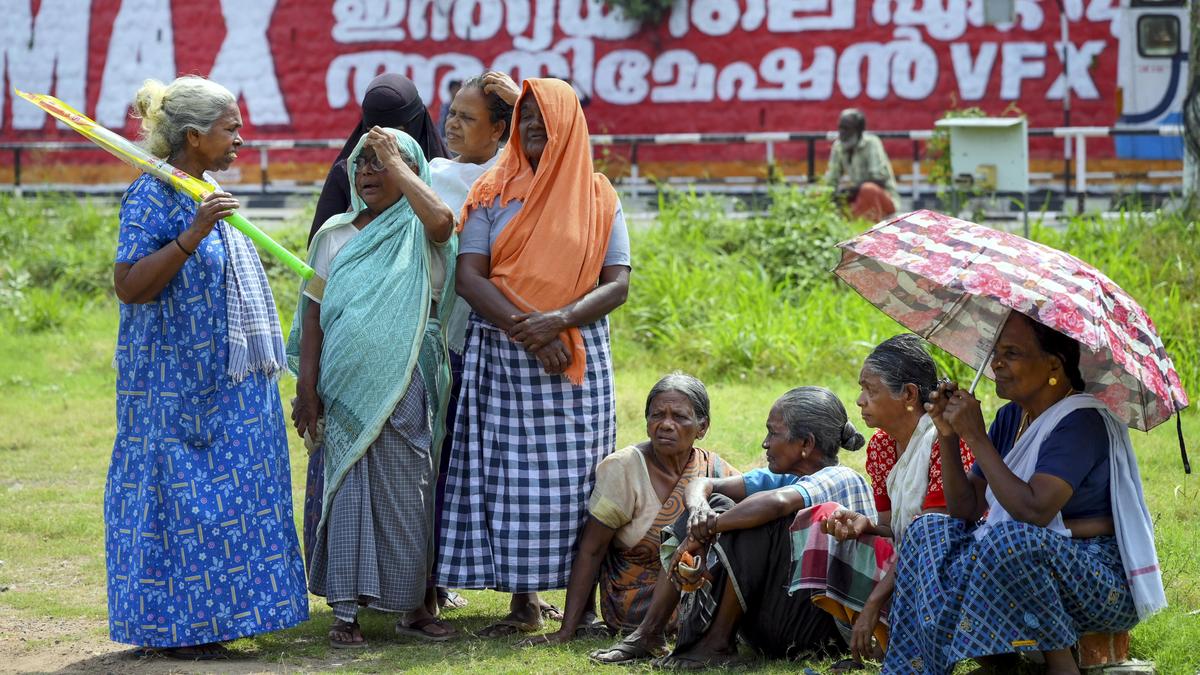
Kerala is currently facing a significant health challenge as rising temperatures put vulnerable groups at high risk. Medical experts are particularly concerned about the elderly and individuals living with long-term kidney problems. Heat stress and a lack of water in the body can lead to dangerous health issues, especially for those who take several types of medicine every day. This situation highlights the need for better care and awareness to prevent heat-related emergencies in the state.
Main Impact
The primary impact of the current heatwave in Kerala is the increased pressure on the healthcare system and the immediate danger to specific groups of people. When the weather gets too hot, the human body tries to cool itself down by sweating. However, for many older adults, this natural cooling system does not work as well as it used to. This makes them much more likely to suffer from heat exhaustion or heatstroke.
For people with kidney issues, the situation is even more critical. The kidneys help manage the fluid levels in the body. When a person becomes dehydrated due to extreme heat, the kidneys have to work much harder. For someone whose kidneys are already weak, this extra stress can cause their condition to get worse very quickly. In some cases, it can lead to sudden kidney failure, which is a life-threatening emergency.
Key Details
What Happened
In recent weeks, temperatures across Kerala have stayed consistently high. While the state is used to warm weather, the combination of high heat and high humidity is proving to be a dangerous mix. Humidity prevents sweat from evaporating off the skin, which means the body cannot shed heat effectively. Doctors have reported an increase in patients coming to clinics with signs of severe dehydration, dizziness, and fainting.
Important Numbers and Facts
Health experts point out that people over the age of 65 are at the highest risk. Statistics show that the elderly often have a lower sense of thirst, meaning they might not drink water even when their body needs it. Additionally, many people in this age group take medications for blood pressure or heart issues. Some of these drugs, known as diuretics, encourage the body to get rid of water. When you combine these medications with extreme outdoor heat, the risk of fainting or falling increases significantly.
Another key fact is the "wet-bulb temperature." This is a measure that combines heat and humidity. In Kerala, the wet-bulb temperature often reaches levels where the human body can no longer cool itself naturally. This is why staying indoors during the hottest parts of the day, usually between 11 AM and 3 PM, is no longer just a suggestion but a medical necessity.
Background and Context
Kerala is a tropical state known for its greenery and rain. However, the climate has been changing over the last few years. Summers are becoming longer and more intense. The state’s infrastructure and housing are often designed to keep rain out, but they are not always built to keep extreme heat out. Many older homes do not have proper ventilation or cooling systems, which traps heat inside and makes it difficult for vulnerable people to find relief.
The issue of kidney health is also a major concern in the region. Many people in Kerala deal with diabetes and high blood pressure, both of which are leading causes of kidney disease. When these individuals are exposed to high heat, their bodies cannot maintain the right balance of salt and water. This makes the current heatwave a public health crisis rather than just a weather event.
Public or Industry Reaction
Doctors and health officials are speaking out to warn the public. Medical associations have started sharing guidelines on how to spot the early signs of heat stress. These signs include heavy sweating, a rapid pulse, and feeling sick to the stomach. They are urging family members to check on elderly relatives frequently to ensure they are drinking enough water and staying in cool areas.
Local community groups are also getting involved. Some are setting up "water stations" in public places to provide free drinking water to laborers and travelers. There is a growing call for the government to create "cooling centers"—public spaces with air conditioning where people who do not have cooling at home can go during the hottest hours of the day.
What This Means Going Forward
Moving forward, Kerala will need to adapt to these higher temperatures. This means changing how people work and live. For example, outdoor workers may need to start their shifts earlier in the morning and finish before the midday sun becomes too strong. Public health campaigns will need to focus more on the specific needs of kidney patients and the elderly, teaching them how to manage their medications during the summer months.
There is also a need for better urban planning. Planting more trees and creating more green spaces in cities can help lower the local temperature. Hospitals may also need to set up special units during the summer to treat heat-related illnesses quickly. If these steps are not taken, the number of heat-related deaths and hospital visits is likely to rise every year.
Final Take
The rising heat in Kerala is a serious threat that requires immediate attention. It is not just about discomfort; it is a matter of life and death for the most vulnerable members of society. Protecting the elderly and those with health conditions like kidney disease must be a priority for every family and the government. Simple actions, like drinking more water and staying out of the sun, can save lives, but long-term changes in how we handle extreme heat are also necessary.
Frequently Asked Questions
Why are elderly people more at risk during a heatwave?
Older adults have a harder time regulating their body temperature. Their bodies do not sweat as efficiently, and they may have underlying health conditions or take medications that make it harder to stay hydrated.
How does heat affect people with kidney disease?
Heat causes dehydration, which puts a lot of stress on the kidneys. For those with existing kidney problems, this can lead to a rapid decline in kidney function or even total organ failure if they do not get enough fluids.
What are the best ways to stay safe from heat stress?
The best ways to stay safe are to drink plenty of water even if you don't feel thirsty, stay indoors during the hottest part of the day, wear light clothing, and check on vulnerable neighbors or family members regularly.



