
Summary
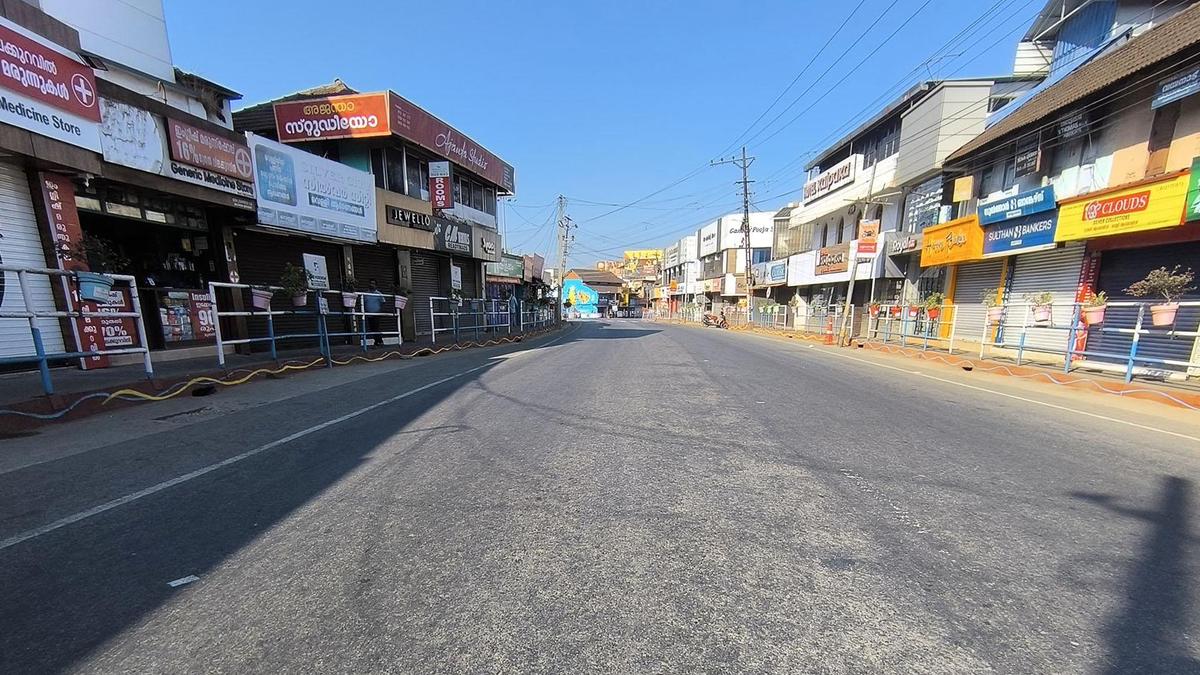
A recent strike, known locally as a hartal, took place in parts of Kerala, but it did not stop daily life for most people. In the Kannur district, some protesters tried to block roads and stop vehicles from moving through the town. However, the police acted quickly to remove these groups and keep the traffic flowing. While there were small moments of tension, the overall impact on the public was low, and most businesses stayed open.
Main Impact
The primary effect of the strike was felt in small pockets of Kannur town, where activists gathered to show their support for the protest. Their main goal was to stop the movement of private and public transport. Despite these attempts, the strike did not gain enough support to shut down the entire region. Most residents chose to go about their day, and the presence of a large police force gave people the confidence to travel and work as usual.
Key Details
What Happened
Early in the morning, groups of activists arrived at busy intersections in Kannur. They tried to stand in the middle of the road to prevent cars, motorcycles, and buses from passing. In some areas, they shouted slogans to get people to join their cause. The police were already prepared for this and had stationed officers at major points across the city. When the protesters refused to move, the police took them into custody or moved them away from the road to ensure that the public was not inconvenienced for long.
Important Numbers and Facts
The protest began in the early hours of the day, which is the usual time for such strikes to start. While some shops in the smaller side streets remained closed out of caution, over 80% of the main market shops stayed open. Public transport buses operated by the state were seen on the roads, although they had fewer passengers than a normal day. Police reports indicate that dozens of protesters were removed from the streets in Kannur town to prevent any major traffic jams or safety issues.
Background and Context
In Kerala, a "hartal" is a common way for political or social groups to show they are unhappy with a government decision or a specific event. During a traditional hartal, almost everything shuts down, including schools, offices, and shops. It is often seen as a powerful tool to get the attention of leaders. However, in recent years, there has been a change in how the public and the courts view these strikes. Many people now feel that forced shutdowns hurt the economy and make life difficult for daily wage workers. Because of this, more people are choosing to ignore strike calls, and the government has asked the police to ensure that those who want to work are protected.
Public or Industry Reaction
The reaction from the public was mostly one of quiet defiance. Many office workers used their own vehicles to get to work instead of relying on buses. Shop owners in Kannur mentioned that they cannot afford to lose a full day of sales, especially during busy seasons. Some transport workers expressed concern about safety, but once they saw the police patrolling the streets, they felt comfortable enough to continue their routes. Industry leaders have often spoken out against frequent strikes, noting that they give the region a bad reputation for business. This time, the lack of a total shutdown suggests that the public is becoming less willing to participate in such protests.
What This Means Going Forward
The fact that life remained largely normal during this strike shows a shift in the political climate of the region. It suggests that while groups still have the right to protest, they may find it harder to force the entire public to follow their lead. The police have developed a standard way of handling these events by being present early and acting fast to clear roads. In the future, we can expect more "sporadic" protests rather than total shutdowns. This is a positive sign for the local economy, as it means fewer days are lost to strikes. However, it also means that protest groups might look for new ways to make their voices heard if the traditional strike no longer works.
Final Take
The events in Kannur show that the public's need for a normal daily routine is starting to outweigh the pressure of political strikes. With the help of active police work, the city managed to stay functional. This balance between the right to protest and the right of the public to move freely is a key part of how the region is changing.
Frequently Asked Questions
What is a hartal?
A hartal is a type of strike or mass protest common in South Asia. It usually involves closing shops, offices, and stopping transport to show disagreement with a policy or event.
Was anyone hurt during the Kannur protests?
No major injuries were reported. The police moved the protesters away from the roads peacefully, although there were some small arguments between activists and officers.
Did schools and offices close during the strike?
Most government offices and many private businesses stayed open. While some schools saw lower attendance, there was no official order to close them, and many functioned as usual.



