
Summary
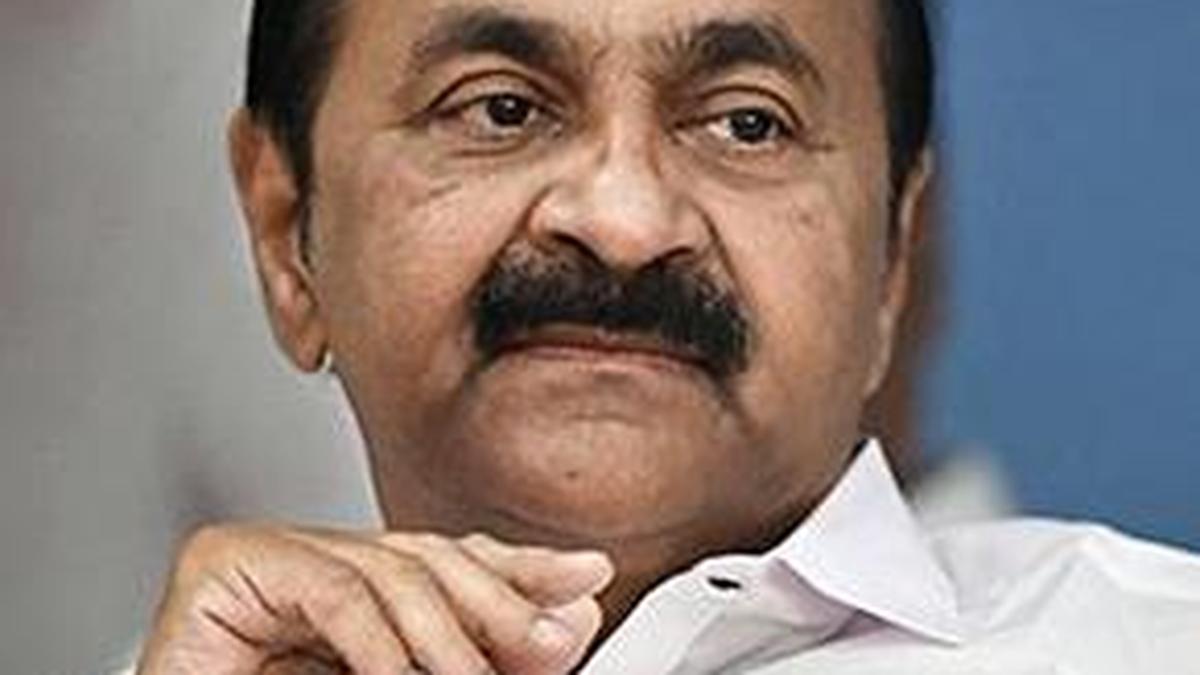
V.D. Satheesan, the Leader of the Opposition in Kerala, has officially raised concerns regarding the 2026 Assembly elections. He has accused the current state government of breaking the Model Code of Conduct by keeping up large advertisements and billboards. Satheesan has asked the Election Commission to step in and remove these displays immediately. This move aims to ensure that the upcoming elections are fair and that the ruling party does not use public money for its own campaign.
Main Impact
The primary impact of this complaint is the pressure it puts on the Election Commission of India (ECI). By calling out these violations early, the opposition is demanding a level playing field for all political parties. If the Commission acts on these demands, it will lead to a massive cleanup of government-funded signs across the state. This ensures that the ruling party cannot use state resources to influence voters, which is a core rule of democratic elections in India.
Key Details
What Happened
As the 2026 Kerala Assembly elections approach, the political atmosphere is heating up. V.D. Satheesan sent a formal letter to the Chief Electoral Officer of Kerala. In this letter, he pointed out that many government-funded hoardings are still visible in public places. These signs often highlight the achievements of the current administration. According to the rules, once an election is announced, the government must stop using public funds to promote its work. Satheesan argues that leaving these signs up gives the ruling party an unfair advantage over others.
Important Numbers and Facts
The Model Code of Conduct (MCC) is a set of guidelines issued by the Election Commission. It covers everything from speeches and polling booths to the behavior of the party in power. One of the strictest rules is that the party in power cannot use the official machinery or public funds for election work. This includes advertisements in newspapers, on television, and large billboards on the streets. Satheesan’s complaint specifically targets these physical displays, which are spread across all 14 districts of Kerala. He has asked for a strong monitoring system to be put in place to catch any further violations as the campaign continues.
Background and Context
In India, the Model Code of Conduct is a vital part of the election process. It is designed to make sure that the party currently running the government does not have a head start over the opposition. Usually, the MCC comes into effect the moment the Election Commission announces the dates for the polls. From that second, the government cannot announce new welfare schemes, start new construction projects, or use government vehicles for campaigning. In Kerala, the battle between the United Democratic Front (UDF) and the Left Democratic Front (LDF) is always very close. Because of this, even small advantages like having more posters or billboards can make a big difference in the final result.
Public or Industry Reaction
The reaction to Satheesan’s complaint has been swift. Members of the opposition parties have supported his call, stating that the government has been slow to follow the rules. They believe that the ruling party is trying to keep its message in front of voters for as long as possible. On the other hand, some government supporters argue that these signs were put up long before the election was announced and are simply part of regular public information. However, neutral observers and election experts agree that the rules are clear: once the code is in place, all such promotional materials must be covered or removed to maintain fairness.
What This Means Going Forward
Going forward, we can expect the Election Commission to take a more active role in monitoring the streets of Kerala. They will likely deploy teams to identify and remove any illegal advertisements. This could lead to more tension between the government and the commission. For the voters, it means they will see fewer government "success stories" on their way to work. The focus will shift from government-funded ads to the actual campaigns run by the political parties themselves. If the EC fails to act, it could lead to further legal challenges and complaints from the opposition, potentially delaying or complicating the election process.
Final Take
Fairness is the most important part of any election. When one party uses public money to promote itself, it hurts the spirit of democracy. V.D. Satheesan’s complaint is a reminder that the rules must be followed by everyone, regardless of their power. The Election Commission now has the job of proving it can hold everyone to the same standard. As the 2026 polls draw closer, the way this issue is handled will set the tone for the entire election season in Kerala.
Frequently Asked Questions
What is the Model Code of Conduct?
The Model Code of Conduct is a set of rules that political parties and candidates must follow during an election. It ensures that the elections are conducted in a free and fair manner without any party having an unfair advantage.
Why are government hoardings a problem during elections?
Government hoardings are paid for with public money. If they stay up during an election, they act as free advertising for the ruling party. This is considered unfair to the opposition parties who have to pay for their own ads.
Who is responsible for removing these advertisements?
The Election Commission of India, through the local district administration and the Chief Electoral Officer, is responsible for making sure all illegal advertisements are removed once the election rules are in effect.



