
Summary
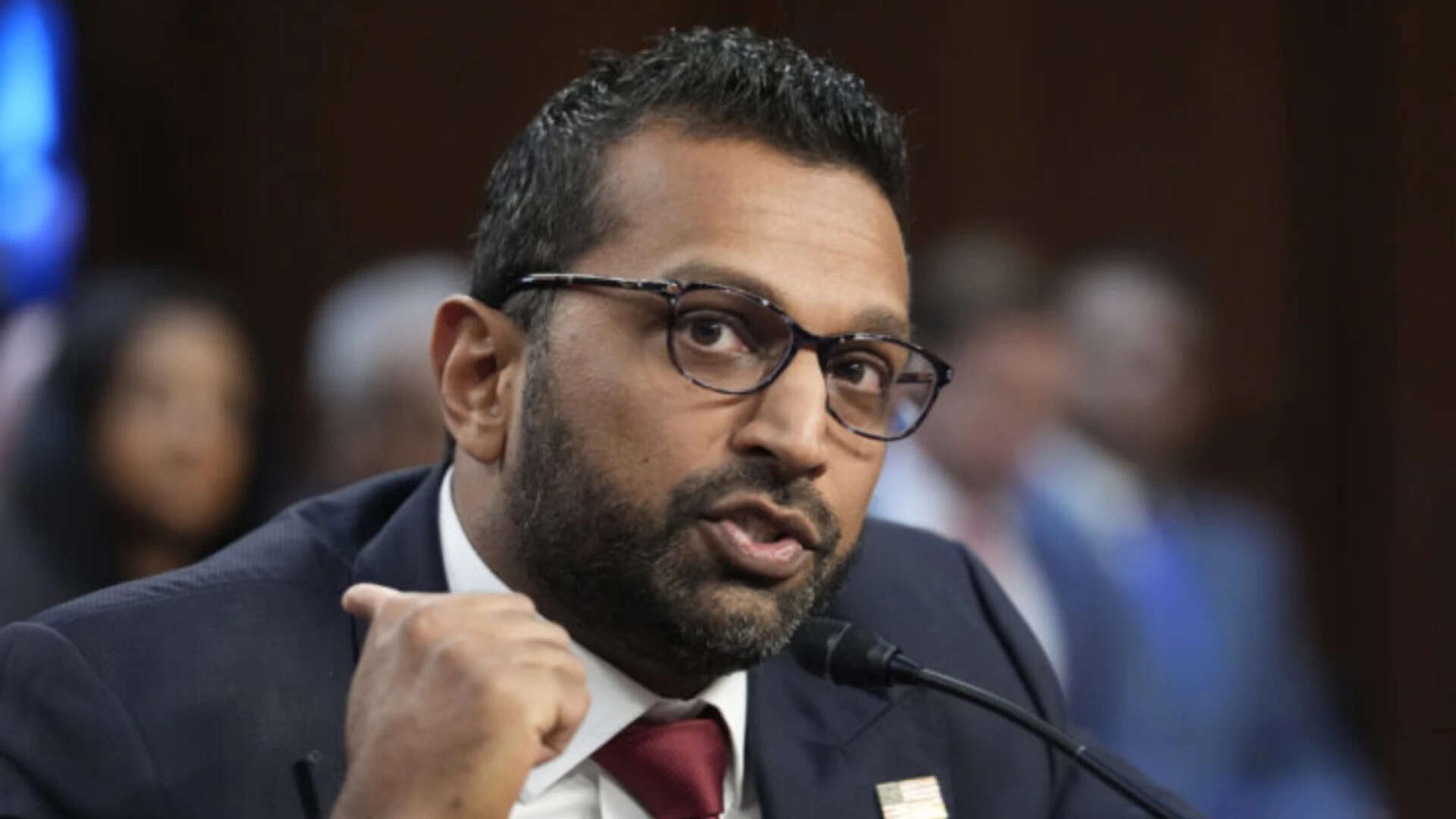
Reports are circulating that Kash Patel, the Director of the FBI, may soon be removed from his position. Sources close to the administration suggest that his departure is not a matter of if, but when. This potential change at the top of the nation's premier law enforcement agency comes after months of internal friction and public debate over the agency's direction. If he is fired, it would mark a significant shift in the country's security leadership and political strategy.
Main Impact
The removal of an FBI Director is a rare and serious event that affects the entire federal government. The main impact of this decision would be a period of uncertainty for thousands of agents and staff members. It also signals a possible change in how the government handles major investigations and national security threats. When the leadership of the FBI changes abruptly, it often leads to a shift in priorities, which can affect everything from local crime fighting to international counter-terrorism efforts.
Key Details
What Happened
Recent reports from high-level officials indicate that the relationship between Kash Patel and other government leaders has reached a breaking point. While Patel was brought in to change the way the FBI operates, he has faced significant pushback from both inside the agency and from lawmakers. The phrase "it is only a matter of time" has been used by several insiders to describe his remaining days in office. This suggests that the decision to move on from his leadership has already been made behind closed doors.
Important Numbers and Facts
Under federal law, an FBI Director is typically appointed for a single 10-year term. This long term is designed to keep the position away from daily politics. However, the President has the legal power to fire a director at any time. If Patel is removed now, he will have served only a small fraction of that 10-year period. Currently, the FBI employs over 35,000 people, including special agents and support professionals, all of whom are affected by changes in top management. Reports suggest that the search for a replacement may already be underway to avoid a long gap in leadership.
Background and Context
To understand why this is happening, it is important to look at who Kash Patel is and how he got the job. Patel has long been a vocal critic of how the FBI and other intelligence agencies were run in the past. He was appointed with the goal of making the agency more accountable and changing its internal culture. However, his methods and his close ties to specific political figures made him a controversial choice from the start. Many career employees at the FBI felt that his approach was too political, while his supporters argued he was doing the necessary work to fix a broken system.
Public or Industry Reaction
The reaction to the news of his likely firing has been split. Critics of Patel argue that his removal is necessary to restore the FBI's reputation as an independent and non-partisan agency. They believe that the FBI should stay out of political fights. On the other hand, Patel’s supporters are frustrated. They view the potential firing as a win for the "permanent government" or people who do not want to see the agency change. Lawmakers on both sides of the aisle are preparing for what will likely be a very difficult and loud confirmation process for whoever is picked to lead the agency next.
What This Means Going Forward
Looking ahead, the next steps will involve the naming of an acting director followed by a formal nominee. This process can take months and requires approval from the Senate. During this time, the FBI might struggle to start new long-term projects or make big policy changes. There is also the risk that morale among staff will drop if they feel the agency is being used as a political football. The government will need to act quickly to name a successor who can gain the trust of both the public and the employees within the bureau.
Final Take
The FBI works best when it is stable and focused on its mission of protecting the country. Whether one agrees with Kash Patel’s goals or not, his expected departure shows how difficult it is to lead an agency that is constantly in the middle of political storms. The focus must now turn to finding a leader who can provide steady guidance and keep the agency focused on public safety rather than political headlines.
Frequently Asked Questions
Can the President fire the FBI Director?
Yes, the President has the legal authority to remove the FBI Director from office at any time, even though the position is meant to have a 10-year term.
Who takes over if the FBI Director is fired?
Usually, the Deputy Director or another high-ranking official becomes the Acting Director until the President nominates a permanent replacement and the Senate confirms them.
Why is the FBI Director's term 10 years long?
The term was made long so that the Director would not change every time a new President is elected. This was intended to help the FBI remain independent from politics.

