
Summary
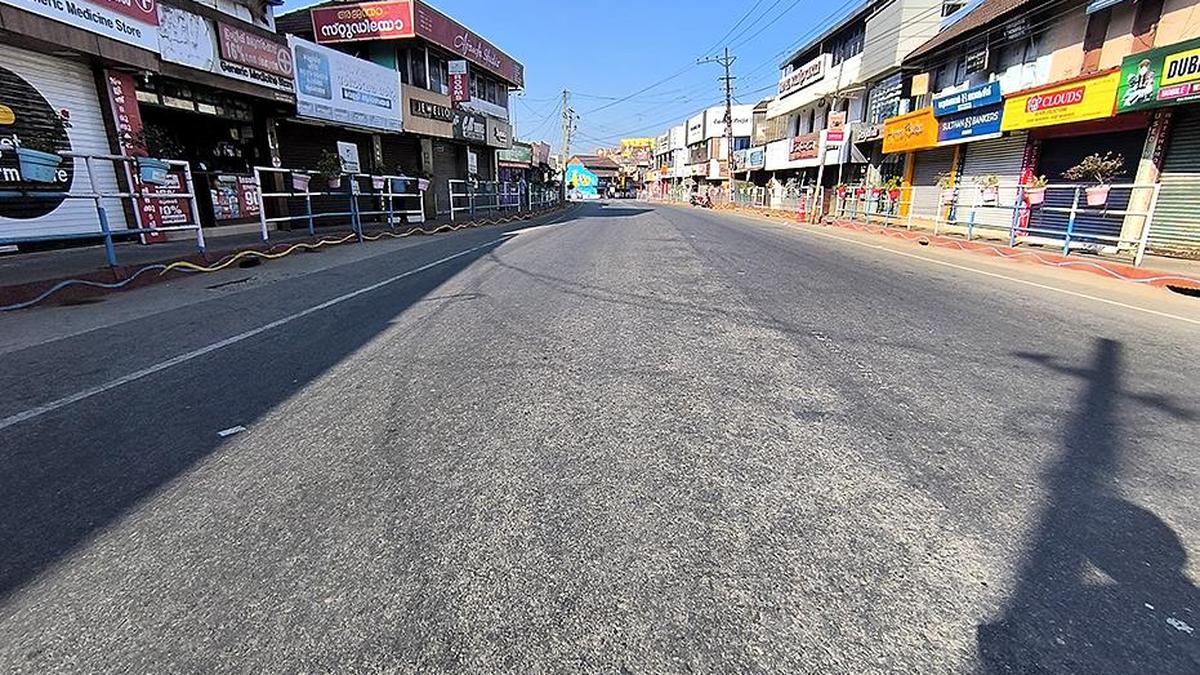
A state-wide strike called by Dalit organizations in Kerala saw a very limited response in the Kasaragod district today. The protest was organized to voice anger over the death of Nithin Raj, a young man from the Dalit community. While the organizers hoped to shut down daily activities to demand justice, most shops, offices, and public services in Kasaragod stayed open. There were only a few small incidents where protesters tried to stop vehicles on the road.
Main Impact
The primary impact of the strike, known locally as a hartal, was felt mostly on the roads rather than in the markets. In several parts of Kasaragod, small groups of protesters gathered to block traffic. This caused brief delays for commuters and private car owners. However, the overall effect on the economy and daily life was low. Most people chose to go about their regular business, and the heavy presence of police officers helped keep the situation under control.
Key Details
What Happened
Early in the morning, members of various Dalit groups took to the streets in different parts of the district. They carried banners and shouted slogans demanding a fair investigation into the death of Nithin Raj. In some areas, protesters stood in the middle of the road to prevent buses and cars from passing. Police moved in quickly to clear these blocks and ensure that traffic could flow again. Unlike some past strikes that completely shut down the state, this one did not see a total closure of shops or schools.
Important Numbers and Facts
The strike began at dawn and was scheduled to last until the evening. In Kasaragod, more than 80% of shops remained open throughout the day. Public transport buses operated by the state government ran on most major routes, though some private bus owners chose to keep their vehicles off the road as a precaution. Police reported that they detained a small number of people who were seen forcefully trying to close shops or stopping emergency vehicles. No major injuries or serious property damage were reported during the day.
Background and Context
This protest is part of a larger movement following the death of Nithin Raj. He was a young man whose passing has raised many questions among social activists and community leaders. His family and Dalit rights groups believe that the circumstances of his death were not properly handled by the authorities. They are calling for a more detailed and transparent investigation to find out exactly what happened. In Kerala, a hartal is a common way for groups to show their unhappiness with the government or to demand action on social issues. However, in recent years, the public has become less supportive of these strikes because they disrupt the lives of daily wage workers and small business owners.
Public or Industry Reaction
The reaction from the general public in Kasaragod was one of caution but not total compliance. Many residents expressed sympathy for the cause but felt that closing down the district was not the best way to get justice. Business owners mentioned that they could not afford to lose a day of sales, especially after recent economic challenges. On the other hand, the leaders of the Dalit groups stated that the strike was necessary to make the government listen. They argued that without such visible protests, the death of a person from a marginalized community might be ignored by the media and the legal system.
What This Means Going Forward
The limited impact of the strike suggests that while the cause is important, the method of calling for a total shutdown is losing its power. Moving forward, the groups seeking justice for Nithin Raj may look for other ways to keep the pressure on the government, such as legal challenges or peaceful sit-ins. The state government is likely to face more questions in the legislative assembly regarding the progress of the investigation. For the people of Kasaragod, the day showed that life can continue even during political tension, provided there is enough security and public will to stay open.
Final Take
The death of Nithin Raj remains a serious issue that requires a clear and honest answer from the law. While the strike in Kasaragod did not stop the district, it served as a reminder that many people are still waiting for justice. The balance between the right to protest and the right of the public to go about their lives continues to be a major topic of discussion in the region.
Frequently Asked Questions
Why was the strike called?
The strike was called by Dalit organizations to protest the death of Nithin Raj and to demand a faster and more transparent investigation into the case.
Was public transport available in Kasaragod?
Yes, most government buses were running, although some private buses stayed off the road. Most private cars and taxis were able to move after police cleared minor road blocks.
Were there any violent incidents?
There were no reports of major violence. There were only sporadic attempts to block vehicles and some minor arguments between protesters and shopkeepers who refused to close.



