
Summary
Karnataka is currently facing a serious rise in human-animal conflicts. Forest Minister Eshwar Khandre recently explained that while the populations of tigers and elephants have grown significantly, the forests they live in are shrinking. This imbalance is forcing wild animals into human settlements, leading to dangerous encounters and loss of life. The state government is now taking several steps, including building expensive barricades and using new technology, to keep both people and wildlife safe.
Main Impact
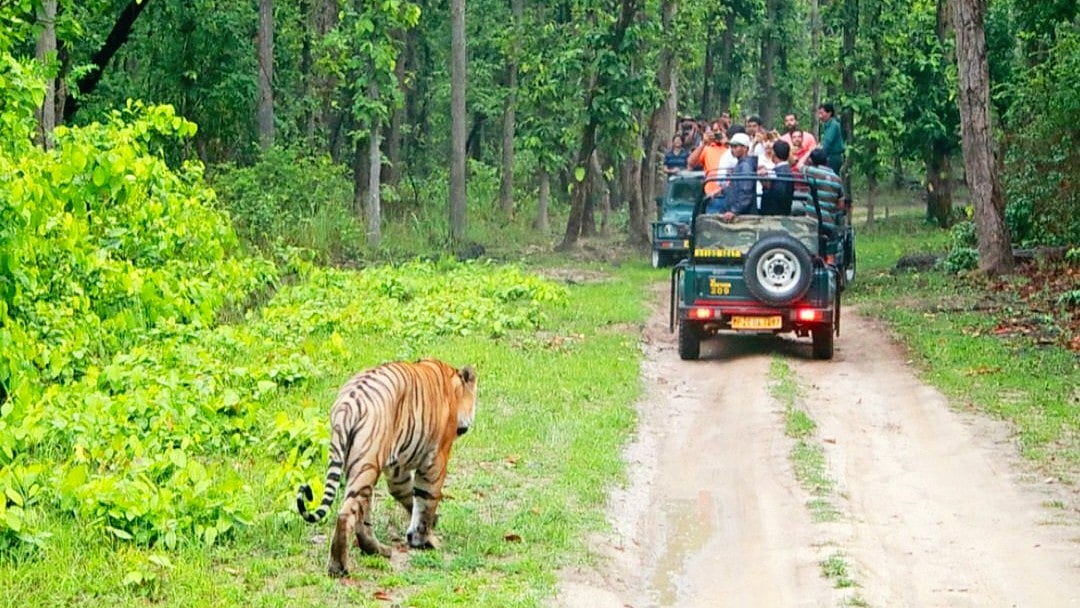
The most direct impact of this situation is the threat to human safety in areas near forests. In late 2025, a series of tiger attacks led to several deaths, forcing the government to temporarily stop all safari activities in famous parks like Bandipur and Nagarhole. While this move protected lives, it also caused a financial loss of millions of rupees in tourism revenue. The government is now trying to find a balance between protecting nature and ensuring the safety of farmers and villagers living on the edge of the woods.
Key Details
What Happened
During a meeting in the state assembly, Minister Eshwar Khandre answered questions about why animal attacks are becoming more common. He noted that the number of wild animals has grown much faster than the available forest space. Because the forests are not growing, animals like tigers and elephants often wander out of their natural homes. This has led to tragic incidents where people have been killed or permanently injured. To address this, the government has set up a team of experts to study how many animals the current forests can actually support.
Important Numbers and Facts
The growth in the tiger population is a major part of the story. In 1972, the Bandipur tiger reserve had only 12 tigers. Today, that number has jumped to 175. While this is a success for conservation, it creates a space problem. To manage the conflict, the government is spending Rs 201 crore to build 116 kilometers of railway barricades. These are strong fences made from old train tracks that elephants cannot knock down. Additionally, the government has identified a 100-kilometer stretch in Bandipur as a high-conflict zone, where 25 special camps have been set up to watch for animal movement around the clock.
Background and Context
This problem matters because Karnataka is home to some of the largest populations of tigers and elephants in India. For years, the state has worked hard to protect these animals from hunters and habitat loss. However, as the human population grows, new roads and expressways are being built. These projects often cut through "elephant corridors," which are the traditional paths elephants use to travel between different forest areas. When these paths are blocked or broken, the animals have no choice but to walk through farms and villages, leading to property damage and physical danger.
Public or Industry Reaction
Local residents and farmers have been very vocal about their fears. In districts like Chamarajanagara, people asked the government to stop forest safaris because they felt the high number of tourists was making the situation worse. They claimed that safari vehicles were staying out too late and disturbing the animals. The government listened to these concerns and halted safaris for several months. Although the tourism industry lost between Rs 6 crore and Rs 8 crore during this time, the minister stated that saving human lives was more important than making money.
What This Means Going Forward
The government is now using a mix of technology and community support to manage the crisis. They have introduced drone cameras and an integrated command center to track animal movements in real-time. To help the people living near the forests, the government decided that 35% of the money earned from safaris will go toward local education and helping villagers find ways to earn a living. There are also new rules for hikers. At Kumara Parvatha, a popular trekking spot, the start time has been moved earlier to 5:30 AM so people can finish their hike before dark when animals are most active. The number of hikers is also now limited to 150 people per day to protect the environment.
Final Take
The rise in wildlife numbers is a sign of successful conservation, but it brings new challenges that require smart solutions. Karnataka is now at a point where it must use every tool available—from high-tech drones to massive physical barriers—to ensure that humans and wild animals can live near each other without tragedy. The focus is shifting from just saving animals to managing the shared space between nature and society.
Frequently Asked Questions
Why are there more animal attacks in Karnataka recently?
The main reason is that the number of tigers and elephants has grown significantly, but the forest area has stayed the same or decreased. This causes animals to move into human areas looking for space and food.
What are railway barricades?
These are strong fences made from old railway tracks. They are used specifically to stop elephants from entering villages because they are much harder for the large animals to break or push over compared to regular fences.
How is the government helping people living near forests?
The government is using 35% of the money made from forest safaris to fund schools and jobs for people in 70 nearby villages. They have also set up special task forces to respond quickly when a leopard or elephant enters a village.

