
Summary
The Brihanmumbai Municipal Corporation (BMC) has launched a new plan to control the foul smell coming from the Kanjurmarg dumping ground. This move comes after the Bombay High Court criticized the civic body for not doing enough to help local residents. The new strategy includes using mobile monitoring vans and a detailed "odour diary" to track air quality and smell levels in real-time. These steps aim to identify exactly when and why the smell gets worse so that officials can take immediate action.
Main Impact
The primary impact of this decision is a shift in how Mumbai manages its waste sites. For years, people living in Kanjurmarg, Vikhroli, and Bhandup have complained about a strong, rotting smell that makes it hard to breathe or open their windows. By introducing monitoring vans, the BMC is moving from a reactive approach to a more active one. This change is expected to hold waste management contractors more accountable and provide the court with clear data on air pollution levels in the area.
Key Details
What Happened
The Bombay High Court recently pulled up the BMC after hearing several petitions from worried citizens. The judges noted that despite previous promises, the air quality around the Kanjurmarg landfill remained poor. In response, the BMC decided to hire specialized agencies to monitor the site. These agencies will use vans equipped with sensors that can detect gases like methane and hydrogen sulfide, which are responsible for the bad smell. The "odour diary" will serve as a logbook where officials record the intensity of the smell at different times of the day and under different weather conditions.
Important Numbers and Facts
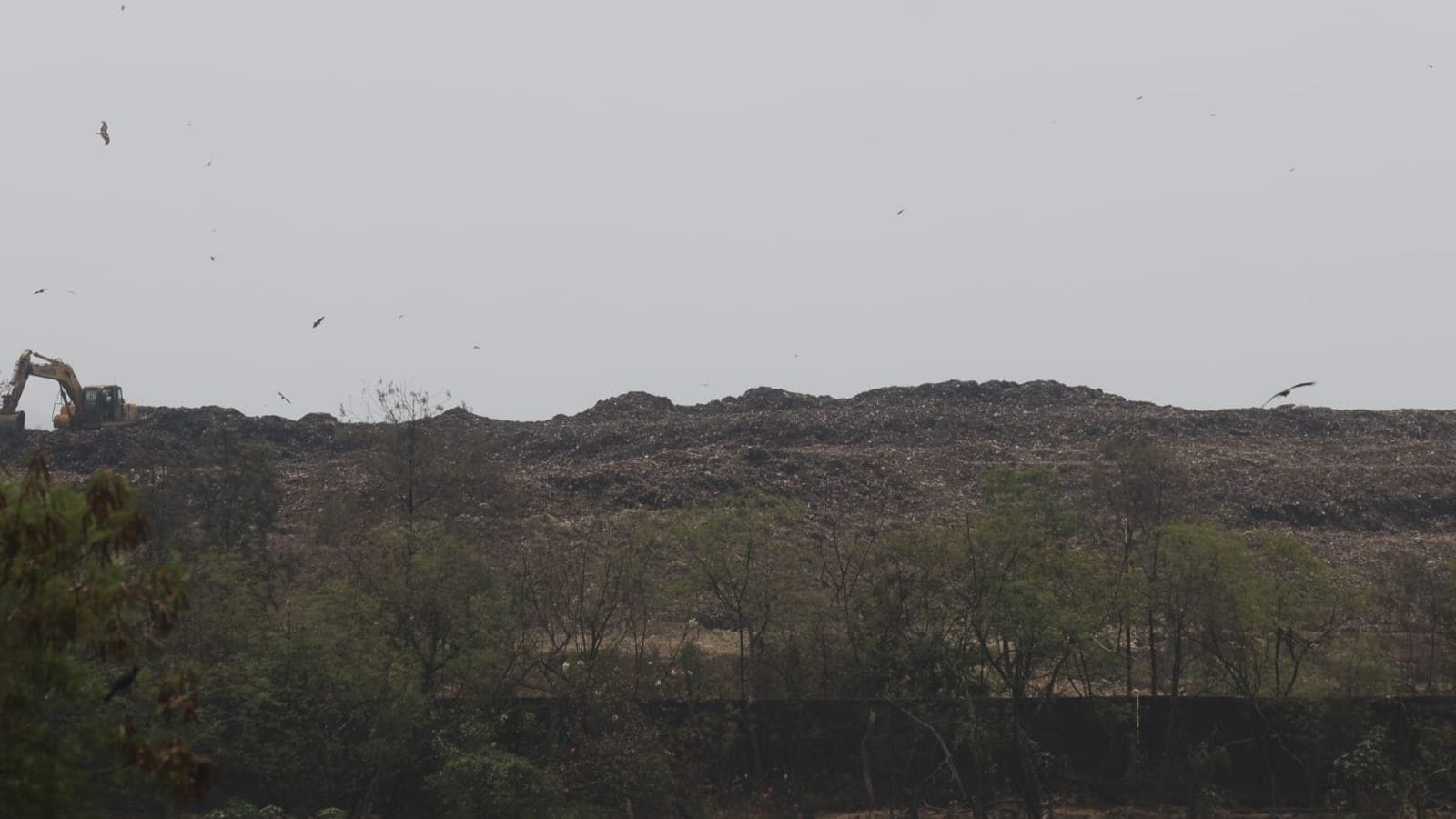
The Kanjurmarg landfill is one of the largest waste management facilities in Mumbai, handling more than 5,000 metric tons of garbage every day. Unlike older dumping grounds, it uses a system called a bioreactor to process waste. While this method is supposed to be more modern, it still produces significant amounts of gas. The new monitoring plan will cover a radius of several kilometers around the site to ensure that residential colonies are not being hit by high levels of fumes. The BMC plans to review the data from these diaries every week to adjust their waste treatment methods.
Background and Context
Waste management has been a massive challenge for Mumbai for decades. As the city grew, old dumping grounds like Deonar became full and dangerous, leading to fires and health scares. The Kanjurmarg site was developed to take the pressure off Deonar. It was designed to be a more scientific way of handling trash. However, as more waste was sent there, the smell became a major problem for the thousands of people living in nearby high-rise buildings and housing societies. The legal battle in the High Court has been going on for some time, with residents demanding that the city follow environmental rules more strictly.
Public or Industry Reaction
Local resident groups have welcomed the court's tough stance but remain cautious about the BMC's new plan. Many activists say that while monitoring vans are a good start, the real solution lies in better waste processing and reducing the amount of wet waste sent to the landfill. Environmental experts have pointed out that the "odour diary" will only be useful if the data is made public and used to penalize contractors who fail to control emissions. On the other hand, civic officials state that they are doing their best to balance the city's massive waste needs with the comfort of local neighborhoods.
What This Means Going Forward
In the coming months, the data collected by the monitoring vans will be presented to the Bombay High Court. If the smell does not decrease, the BMC could face even stricter orders or heavy fines. This situation might force the city to speed up other waste projects, such as waste-to-energy plants and better compost systems at the local level. For the residents, the success of this plan will be measured not by reports or diaries, but by whether they can finally breathe clean air in their own homes.
Final Take
The use of technology and daily logging is a necessary step toward solving a long-standing environmental problem. While the court's pressure was the spark for this action, the long-term health of Mumbai's suburbs depends on the BMC's ability to manage its trash without harming the people living nearby. This new monitoring system is a test of whether the city can truly handle its waste in a modern and responsible way.
Frequently Asked Questions
What is an odour diary?
An odour diary is a formal record where officials or experts write down the strength, type, and timing of bad smells in a specific area to help identify the source of the problem.
Why is the Kanjurmarg landfill causing a smell?
The landfill processes thousands of tons of wet waste. As this waste breaks down, it releases gases like methane. If these gases are not captured correctly, they create a strong, unpleasant smell in the surrounding air.
How will the monitoring vans help?
The vans are fitted with special equipment that measures air chemicals. They can travel to different neighborhoods to see how far the smell is spreading and check if the air is safe for residents to breathe.



