
Summary
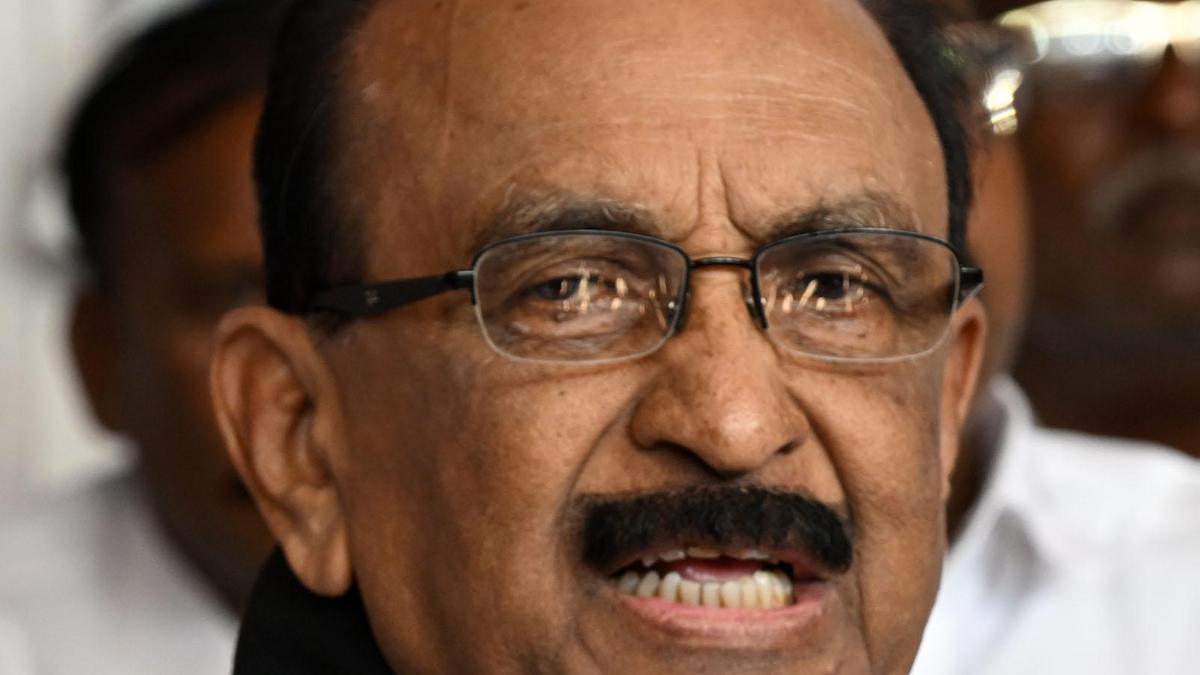
Vaiko, the leader of the MDMK party, has called on the Indian government to stop the fast breeder nuclear reactor project located in Kalpakkam, Tamil Nadu. He expressed serious concerns regarding the safety and the high financial costs associated with this specific type of nuclear technology. Vaiko pointed out that several other countries have already tried and moved away from this technology due to the risks it poses to the public and the environment.
Main Impact
The demand to shut down the Kalpakkam project highlights a growing debate over India’s long-term energy strategy. While the government views the fast breeder reactor as a vital step toward energy independence, critics argue that the technology is outdated and dangerous. If the government continues with the project despite these warnings, it may face increased political pressure and protests from local communities who fear a nuclear accident. On the other hand, stopping the project would mean losing billions of rupees already invested in the facility.
Key Details
What Happened
Vaiko issued a formal statement urging the Central Government to abandon the Prototype Fast Breeder Reactor (PFBR) at Kalpakkam. He noted that the technology used in this reactor is not new but has a history of failure in other parts of the world. According to the MDMK leader, the project has been under construction for a very long time and has faced many delays, which has caused the total cost to rise significantly. He believes that the money spent on this project could be better used for safer, renewable energy sources like wind or solar power.
Important Numbers and Facts
The Kalpakkam project is managed by Bharatiya Nabhikiya Vidyut Nigam Limited, also known as BHAVINI. The reactor is designed to produce 500 megawatts of electricity. Unlike traditional reactors that use water to cool the system, this fast breeder reactor uses liquid sodium. Liquid sodium is a very difficult material to handle because it can catch fire instantly if it touches air or water. Vaiko mentioned that countries like the United States, France, Germany, and Japan have spent huge amounts of money on similar reactors only to shut them down later because they were too hard to maintain and keep safe.
Background and Context
To understand why this matters, it is important to know how India plans its nuclear energy. India has a three-stage nuclear power program. The first stage uses natural uranium. The second stage, which includes the Kalpakkam fast breeder reactor, is meant to use plutonium and produce more fuel than it consumes. This is why it is called a "breeder" reactor. The third stage aims to use thorium, which India has in large amounts. Because India does not have much uranium, the government thinks the fast breeder stage is necessary to reach the thorium stage.
However, the technology is very complex. Fast breeder reactors run at much higher temperatures than standard nuclear plants. The use of liquid sodium as a coolant is the biggest safety worry. If there is a leak in the pipes, it could lead to a major fire or an explosion that is very hard to put out. Because of these technical hurdles, the Kalpakkam project has missed several deadlines for starting its operations over the last decade.
Public or Industry Reaction
The reaction to Vaiko’s statement has been mixed. Environmental groups and local activists in Tamil Nadu have long voiced their fears about the safety of the Kalpakkam site, especially since it is located near the coast. They worry about the impact of natural disasters, like tsunamis, on a reactor that uses such volatile cooling materials. Many local residents feel that their safety is being ignored in favor of national energy goals.
In contrast, many scientists within the Indian nuclear establishment defend the project. They argue that India must master this technology to ensure it has enough power for the future. They claim that the safety measures at Kalpakkam are world-class and that the lessons learned from other countries' failures have been used to make the Indian design better. The government has so far shown no signs of stopping the project, viewing it as a matter of national pride and scientific progress.
What This Means Going Forward
The future of the Kalpakkam fast breeder reactor remains uncertain as it nears its expected start date. If the reactor starts successfully and runs without issues, it will be a major win for India’s nuclear scientists. It would prove that India can succeed where other nations failed. However, if there are more delays or technical problems, the calls to abandon the project will only get louder. The government will need to be very transparent about safety checks to gain the trust of the public. There is also the question of cost; if the electricity produced by this reactor is much more expensive than solar or wind power, it may be hard to justify keeping it open in the long run.
Final Take
The debate over the Kalpakkam nuclear project is a classic example of the tension between high-tech energy goals and public safety concerns. While the dream of "breeding" nuclear fuel is attractive for a country with limited resources, the practical risks cannot be ignored. Vaiko’s warning serves as a reminder that technology which has failed elsewhere requires the highest level of caution. Whether the government chooses to listen or push forward, the safety of the people living near the plant must be the top priority.
Frequently Asked Questions
What is a fast breeder reactor?
It is a type of nuclear reactor that generates more fuel than it uses while producing electricity. It uses a different cooling system and fuel type compared to standard nuclear power plants.
Why is liquid sodium used in these reactors?
Liquid sodium is used because it can remove heat from the reactor core very efficiently at high temperatures. However, it is dangerous because it reacts violently when it comes into contact with air or water.
Why does Vaiko want the project stopped?
He believes the technology is unsafe and too expensive. He also points out that many developed countries have abandoned similar projects because they were not practical or safe enough to operate.



