
Summary
A political dispute has broken out in the SPSR Nellore district following a high-profile visit by YSRCP leader Y.S. Jagan Mohan Reddy to the Juvvaladinne Fishing Harbour. The visit led to a series of heated exchanges between the YSRCP and the Telugu Desam Party (TDP), with both sides holding separate press conferences to voice their grievances. This clash highlights the ongoing tension between the two major political parties in Andhra Pradesh as they compete for the support of the local fishing community. The argument centers on who deserves credit for the project and how the harbor is being managed today.
Main Impact
The main impact of this political fight is the increased focus on the coastal economy of Nellore. While the politicians argue over credit, the local fishermen are caught in the middle of a power struggle. The Juvvaladinne Fishing Harbour is a vital piece of infrastructure for thousands of families who rely on the sea for their living. This public disagreement has brought attention to the operational needs of the harbor, but it also risks delaying further improvements if the focus remains on political blame rather than practical solutions. For the residents of the district, the noise from these press conferences shows just how much is at stake in the local political scene.
Key Details
What Happened
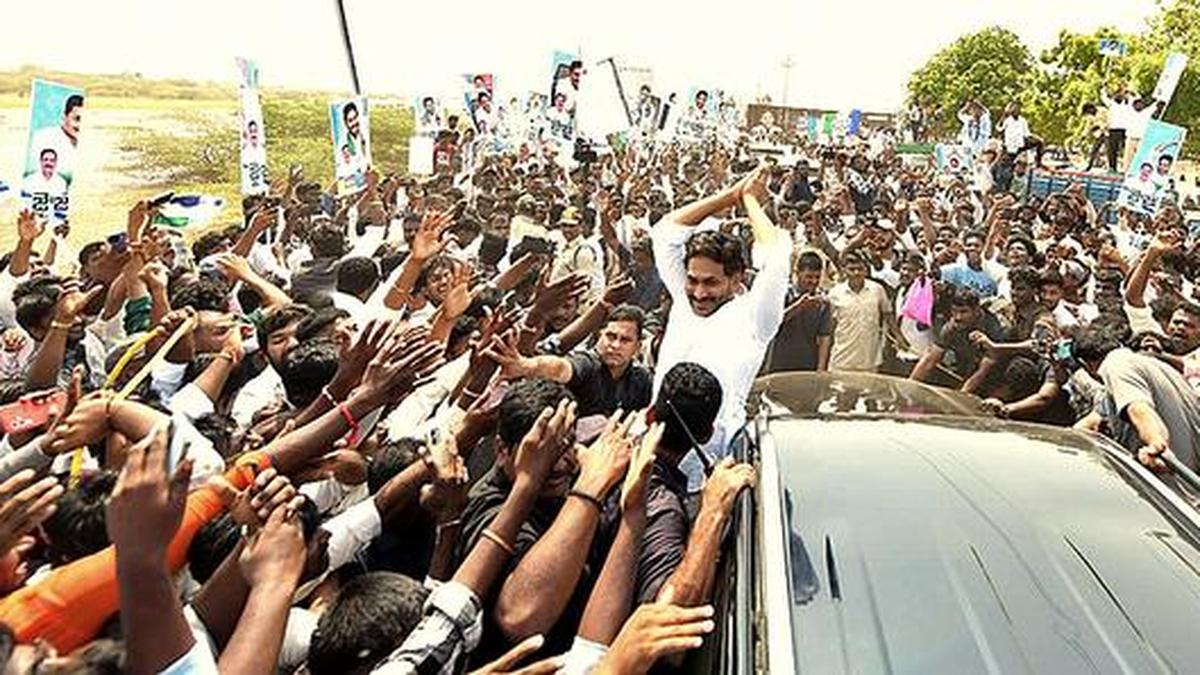
The conflict began shortly after Y.S. Jagan Mohan Reddy, the former Chief Minister and current leader of the YSRCP, toured the Juvvaladinne Fishing Harbour. During his visit, he spoke with local workers and fishermen to hear about their current challenges. Following his departure, TDP leaders quickly organized their own meetings to counter his statements. They accused the YSRCP leader of trying to take credit for a project that they claim was poorly handled during his time in office. In response, YSRCP leaders held their own press conferences, stating that the project was a result of their hard work and vision for the coastal region.
Important Numbers and Facts
The Juvvaladinne Fishing Harbour is one of the major projects in the SPSR Nellore district designed to help modernize the fishing industry. It was built to support hundreds of boats and provide a safe place for fishermen to bring in their catch. During the press conferences, YSRCP leaders pointed out that the funding and planning for several such harbors were initiated during their term. On the other hand, TDP representatives argued that the current government has had to fix many technical issues and financial gaps left behind by the previous administration. Both parties are using these figures to prove their dedication to the welfare of the "Gangaputras," or the fishing community, which holds significant voting power in the region.
Background and Context
Fishing harbors are more than just docks; they are the heart of the economy for coastal villages. In Andhra Pradesh, the fishing industry provides jobs for millions of people. The Juvvaladinne project was intended to reduce the distance fishermen have to travel to sell their fish and to provide better storage facilities. In the past few years, the state has seen a push to build more of these harbors to compete with neighboring states. Because these projects cost a lot of money and take years to finish, they often become the center of political fights. Each party wants to show that they are the true friends of the poor and the working class, especially in districts like Nellore where the coastline is long and the fishing vote is crucial for winning elections.
Public or Industry Reaction
The reaction from the public has been a mix of frustration and interest. Many local fishermen have expressed that they are less concerned with which party gets the credit and more concerned with whether the harbor works correctly. They want better cold storage, cleaner facilities, and easier access to markets. Industry experts have noted that while the political drama makes headlines, the real work involves maintaining the harbor and ensuring it does not fall into disrepair. Some community leaders have called for a truce, asking both the TDP and YSRCP to focus on the actual growth of the district instead of using the harbor as a stage for political theater.
What This Means Going Forward
Looking ahead, this clash suggests that the SPSR Nellore district will remain a major political battleground. As the next election cycle approaches, infrastructure projects like the Juvvaladinne Fishing Harbour will likely be used as examples of success or failure by both sides. The government will be under pressure to ensure the harbor is fully functional to prove the TDP's claims of better management. Meanwhile, the YSRCP will likely continue to monitor the project closely to point out any mistakes. For the fishermen, the hope is that this increased attention will lead to better services and more investment in their community, regardless of which party is speaking the loudest.
Final Take
The argument over the Juvvaladinne Fishing Harbour is a clear sign of the deep divide in Andhra Pradesh politics. While it is common for parties to fight for credit, the real measure of success will be the prosperity of the people who use the harbor every day. If the political noise leads to better facilities and more support for the fishing industry, then the debate will have served a purpose. However, if it only leads to more confusion and delays, the local community will be the ones who pay the price. The focus must remain on the people, not just the politicians.
Frequently Asked Questions
Why is the Juvvaladinne Fishing Harbour important?
It is a key project in the Nellore district that helps fishermen dock their boats, store their catch, and sell fish more easily, which boosts the local economy.
What are the YSRCP and TDP fighting about?
The two parties are arguing over who is responsible for building the harbor and who is doing a better job of managing it for the local people.
How does this affect the local fishermen?
While the political fight brings attention to the harbor, fishermen are mostly concerned with getting better facilities and support for their daily work rather than political credit.

