
Summary
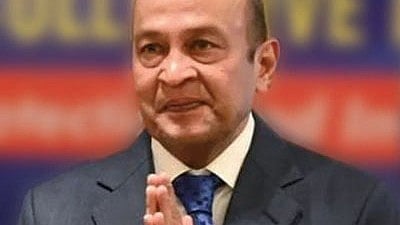
Justice Yashwant Varma of the Allahabad High Court has officially resigned from his position. He sent his resignation letter to President Droupadi Murmu, stating that he would step down immediately. This decision comes at a time when he was facing a serious legal process in Parliament to remove him from office. His departure marks the end of a long controversy involving allegations of financial misconduct and a high-profile investigation by the Supreme Court.
Main Impact
The resignation of Justice Varma brings a sudden stop to his career as a senior judge. For months, he had been fighting against efforts to remove him through a process called impeachment. By stepping down now, he has ended his tenure before Parliament could finish its inquiry. This case has drawn significant attention to how the legal system handles claims of wrongdoing against high-ranking officials. It highlights the tension between maintaining the independence of judges and ensuring they are held accountable for their actions.
Key Details
What Happened
Justice Varma submitted his resignation with "deep anguish," according to his letter. While he did not list the specific reasons for his exit, he mentioned that he did not want to burden the President’s office with the details of his decision. He also sent a copy of this letter to the Chief Justice of India, Surya Kant. His resignation follows a series of legal defeats in the Supreme Court, where he tried to block an investigation into his conduct.
The trouble began in early 2025 when a shocking discovery was made at his official home in Delhi. Reports indicated that burnt cash was found in an outhouse on the property. This discovery led to an internal investigation by the Supreme Court, which eventually found that the judge had "secret or active control" over the money. Following these findings, the process to remove him from his post began in both the legal and political systems.
Important Numbers and Facts
The effort to remove Justice Varma was supported by a large number of lawmakers. In July 2025, 145 members of the Lok Sabha and 63 members of the Rajya Sabha signed notices to start the impeachment process. This shows a rare level of agreement across different political groups in Parliament. Under the Judges (Inquiry) Act of 1968, a three-member committee was formed to look into the charges against him.
The Supreme Court also played a major role in the timeline. Earlier this year, a bench of judges rejected Justice Varma’s plea to stop the inquiry. He had argued that the way the committee was formed was not legally correct. However, the court ruled that the process was fair and that he was not entitled to any relief. This ruling cleared the way for the parliamentary probe to continue, which likely influenced his decision to resign.
Background and Context
In India, removing a High Court judge is a very difficult and rare process. Judges are given strong protections so they can make decisions without fear of political pressure. To remove a judge, Parliament must follow a strict procedure known as impeachment. This involves a detailed investigation and a vote by lawmakers. Because it is so difficult, most judges who face such serious allegations choose to resign before the process is finished.
This specific case gained national attention because of the nature of the evidence. Finding burnt cash at a judge's residence is an unusual and serious matter. The Supreme Court’s own internal committee looked into the situation first. They concluded that the evidence against Justice Varma was strong enough to suggest he had violated the standards expected of a judge. This led the former Chief Justice of India, Sanjiv Khanna, to recommend that the government start the formal removal process.
Public or Industry Reaction
The legal community has watched this case closely. Many experts believe that the Supreme Court’s refusal to stop the inquiry was a sign that the judiciary is serious about cleaning up its own ranks. By dismissing Justice Varma’s challenges, the court sent a message that the "in-house" procedure for checking judge behavior is valid and just. Some lawyers have noted that while the resignation ends the impeachment, it leaves many questions about the original cash discovery unanswered. There is a general feeling that this event serves as a reminder of the high ethical standards required for those serving in the courts.
What This Means Going Forward
Now that Justice Varma has resigned, the impeachment proceedings in Parliament will likely be dropped. Usually, once a judge is no longer in office, the legislative process to remove them becomes unnecessary. However, the vacancy at the Allahabad High Court will need to be filled. The court is one of the busiest in the country, and losing a senior judge can affect how quickly cases are handled.
There is also the question of whether any further legal action will be taken regarding the cash found at the residence. While the administrative process to remove him from the bench is over, other authorities could still look into the source of the money. For the judicial system, this case will likely lead to more discussions about how to monitor the conduct of judges more effectively to prevent similar situations in the future.
Final Take
The resignation of Justice Yashwant Varma marks a quiet end to a very loud and public controversy. It shows that even the highest officials face scrutiny when serious allegations arise. While the judge expressed sadness in his departure, the weight of the evidence and the pressure from Parliament made his continued service nearly impossible. This situation reinforces the idea that the integrity of the court is more important than any single individual serving within it.
Frequently Asked Questions
Why did Justice Yashwant Varma resign?
He resigned amid ongoing impeachment proceedings in Parliament. These proceedings were started after an investigation linked him to burnt cash found at his official residence.
What is impeachment for a judge?
Impeachment is a formal process used by Parliament to remove a judge from office for proven misbehavior or incapacity. It requires a high number of votes from lawmakers to succeed.
What happens to the investigation now?
Since he has resigned, the parliamentary process to remove him will likely stop. However, separate investigations into the discovery of the cash could potentially continue under different legal rules.

