
Summary
The government of Tamil Nadu is currently reviewing a proposal to increase the retirement age of judicial officers across the state. This potential change was highlighted by the Chief Justice of the Madras High Court during a recent court session. If approved, the move would allow experienced judges in lower courts to serve for a longer period. This decision aims to address the growing number of pending cases and ensure that the legal system retains its most seasoned experts.
Main Impact
The primary impact of this proposal is the preservation of legal experience within the state’s court system. By extending the service years of judicial officers, Tamil Nadu can slow down the rate at which vacancies appear in the lower courts. This is expected to help clear the massive backlog of legal cases that have built up over the years. For the public, this could mean faster court dates and a more efficient path to justice, as veteran judges can handle complex matters more quickly than new recruits.
Key Details
What Happened
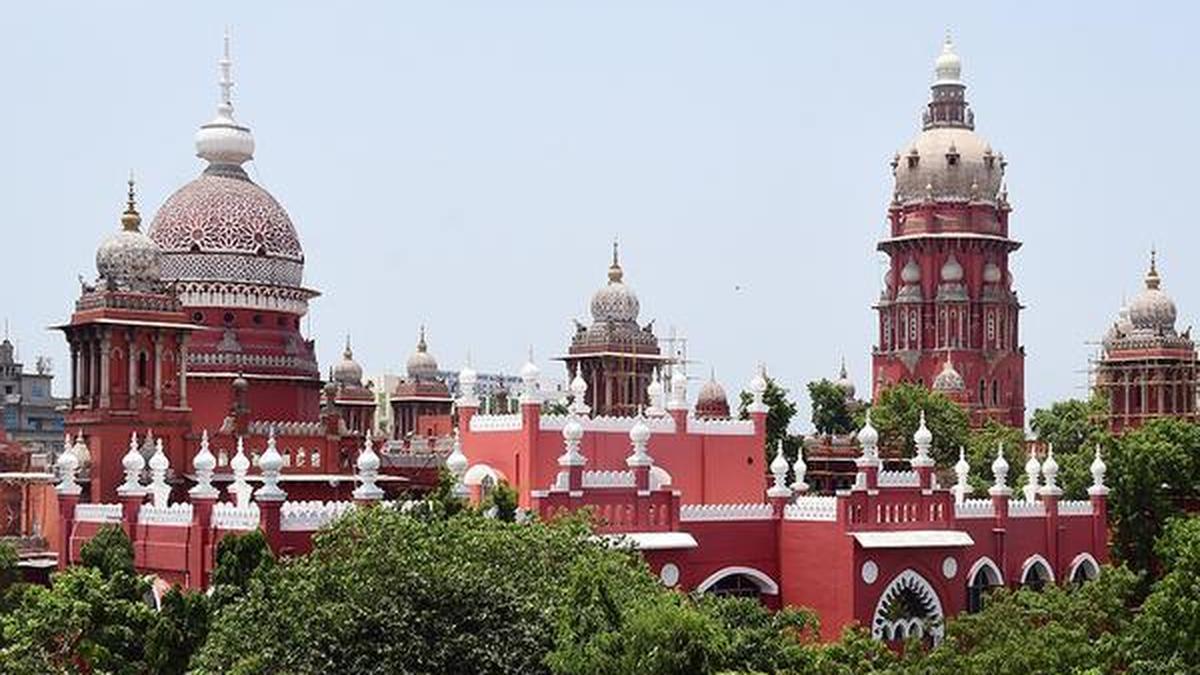
The topic came to light during a conversation in the Madras High Court between the Chief Justice and senior counsel Vijay Narayan. When the lawyer brought up the idea of extending the working years for judicial officers, the Chief Justice responded positively. He stated that the matter is under active consideration and suggested that the change is likely to happen soon. He noted that it is mostly a matter of timing before the official announcement is made.
Important Numbers and Facts
Currently, judicial officers in the lower courts of Tamil Nadu generally retire at the age of 60. In contrast, High Court judges retire at 62, and Supreme Court judges retire at 65. The proposal seeks to bridge this gap. While the exact new age has not been confirmed, similar discussions in other states have suggested moving the limit to 62. There are hundreds of judicial positions in Tamil Nadu, and even a two-year extension could prevent dozens of vacancies from opening up simultaneously this year.
Background and Context
To understand why this matters, one must look at how the court system works. Judicial officers are the judges who work in district and local courts. They are the first point of contact for most citizens seeking justice. Over the last decade, the number of cases filed in these courts has increased significantly. However, the number of judges has not grown at the same rate.
When a judge retires, it often takes a long time to find, test, and train a replacement. During this gap, the cases assigned to that judge are often put on hold. By raising the retirement age, the government can keep the current workforce active while it works on hiring more people. This strategy has been used in other professional sectors, such as healthcare and education, to manage staff shortages.
Public or Industry Reaction
The legal community has largely welcomed the news. Senior lawyers argue that 60 is too early for a judge to retire, especially since many are at the peak of their mental clarity and legal knowledge at that age. They believe that losing such experience hurts the quality of judgments. However, some younger lawyers have expressed slight concern. They worry that if senior judges stay longer, there might be fewer openings for new law graduates to enter the judiciary. Despite these concerns, the general consensus is that the need to reduce the case backlog is the most urgent priority for the state.
What This Means Going Forward
The next step involves a formal decision by the state government. Since the Chief Justice has indicated that the plan is "under consideration," the legal department is likely drafting the necessary rules or amendments. Once the state cabinet approves the proposal, a formal notification will be issued. This change will likely apply to all current judicial officers who have not yet reached the current retirement age. It may also lead to a broader discussion about standardizing retirement ages across different levels of the judiciary in India.
Final Take
Raising the retirement age for judicial officers is a practical solution to a growing problem. It acknowledges that age often brings a level of wisdom and efficiency that is vital in a courtroom. While it is only one part of a larger need for court reform, it is a significant step toward making the legal system in Tamil Nadu more stable and responsive to the needs of its citizens.
Frequently Asked Questions
What is the current retirement age for judicial officers in Tamil Nadu?
Currently, most judicial officers in the state retire when they reach the age of 60.
Who suggested the change to the retirement age?
The Chief Justice of the Madras High Court mentioned that the proposal is being considered following discussions within the legal community.
How will this change help the general public?
By keeping experienced judges in office longer, the courts can process cases more efficiently, which helps reduce the time people have to wait for their legal matters to be resolved.



