
Summary
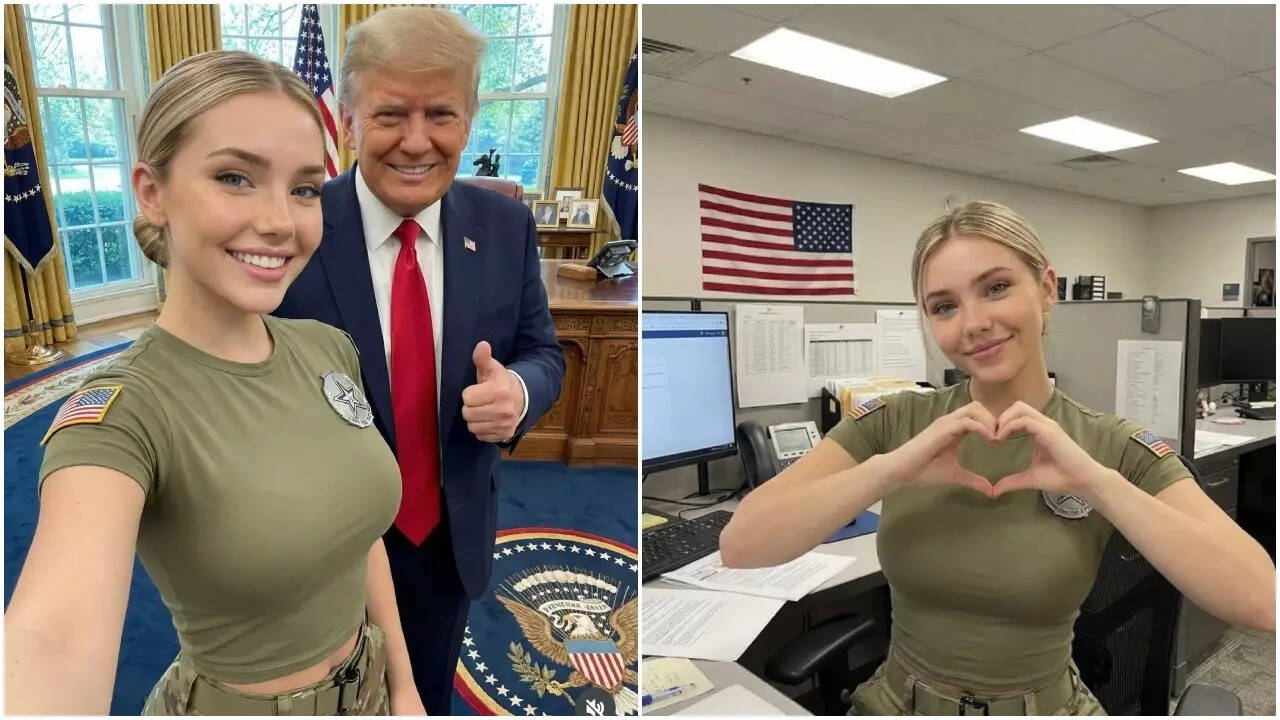
A viral social media star named Jessica Foster recently gained thousands of fans who believed she was a beautiful and patriotic member of the U.S. Army. However, new reports have confirmed that this person does not actually exist. Experts discovered that the images were created using artificial intelligence to trick users. This fake persona was used to attract followers, make money, and spread specific political messages to an unsuspecting audience.
Main Impact
The discovery of the Jessica Foster hoax shows a major shift in how people are manipulated online. It is no longer just about fake news stories; it is now about fake people who look and act real. By creating a character that combines military service with attractive looks, the creators were able to build trust and interest very quickly. This strategy allows groups to push political ideas or sell adult content by using a face that people naturally want to support and follow.
Key Details
What Happened
For several weeks, accounts on platforms like X and Instagram began sharing photos of a woman in military uniform. She was often shown holding flags or standing in front of military equipment. The posts were filled with patriotic captions that encouraged people to like and share. Many users left comments praising her service and her beauty. However, digital investigators noticed that something was wrong. The lighting in the photos was too perfect, and some of the details on her uniform did not match real military rules. After a closer look, it was revealed that "Jessica Foster" was a digital creation made by a computer program.
Important Numbers and Facts
The accounts associated with this fake persona gained tens of thousands of followers in a very short time. Some of the posts reached millions of views. Investigators found that these accounts often linked to websites where users had to pay for more content. In many cases, the accounts were also used to repost political slogans and messages. This shows that the fake persona was a tool for both financial profit and political influence. Experts say that creating a fake AI model like this costs almost nothing, but it can generate thousands of dollars in revenue from ads and subscriptions.
Background and Context
Artificial intelligence has become very good at creating realistic human faces. In the past, if someone wanted to make a fake account, they had to steal photos from a real person. This was easy to catch because the real person could report the theft. Now, AI can generate a completely new face that has never existed before. This makes it much harder for social media companies to find and delete these accounts. The use of a military theme is a specific choice. People often feel a sense of respect and duty toward soldiers, making them less likely to question if the person is real. This is part of a larger trend where AI is used to create "perfect" influencers who never age, never get tired, and always say exactly what their creators want them to say.
Public or Industry Reaction
The reaction from the public has been a mix of anger and confusion. Many people who followed the account felt embarrassed that they were tricked by a computer. Some military members expressed frustration that their uniform was being used to sell content or push political agendas. Tech experts are calling for better labels on social media. They believe that any image made by AI should have a clear tag so that users know it is not a real person. Some industry leaders warn that as AI gets better, it will become almost impossible for the average person to tell the difference between a real human and a digital fake.
What This Means Going Forward
This event is a sign that the internet is changing. We are entering a time where we cannot trust our eyes when looking at a screen. In the future, we will likely see many more fake personas like Jessica Foster. These characters might be used in elections to sway voters or by companies to sell products without hiring real models. To stay safe, internet users will need to learn how to spot AI errors. This includes looking for strange shapes in the background, weirdly shaped fingers, or skin that looks too smooth to be real. Governments and tech companies may also need to create new laws to stop people from using AI to deceive the public for profit.
Final Take
The case of the fake Army beauty is a clear reminder that the digital world is full of traps. While technology can be used for good, it is also a powerful tool for those who want to trick us. We must be more careful about who we give our attention and money to online. If something looks too perfect to be true, there is a good chance it was made by a machine rather than a human.
Frequently Asked Questions
How can I tell if a social media profile is AI-generated?
Look for small mistakes in the photos. AI often struggles with drawing human hands, teeth, and jewelry. Also, check if the person ever posts videos of themselves speaking naturally, as AI video is still harder to fake than still photos.
Why do people create fake AI influencers?
The main reasons are money and influence. Fake influencers can promote products, lead people to paid websites, or spread political messages without the cost of hiring a real person or the risk of a real person saying something wrong.
Is it illegal to create a fake AI person?
Currently, it is not illegal in most places to create a fake person using AI. However, it can break the rules of social media platforms. If the fake persona is used to scam people out of money or steal an identity, it could lead to legal trouble.

