
Summary
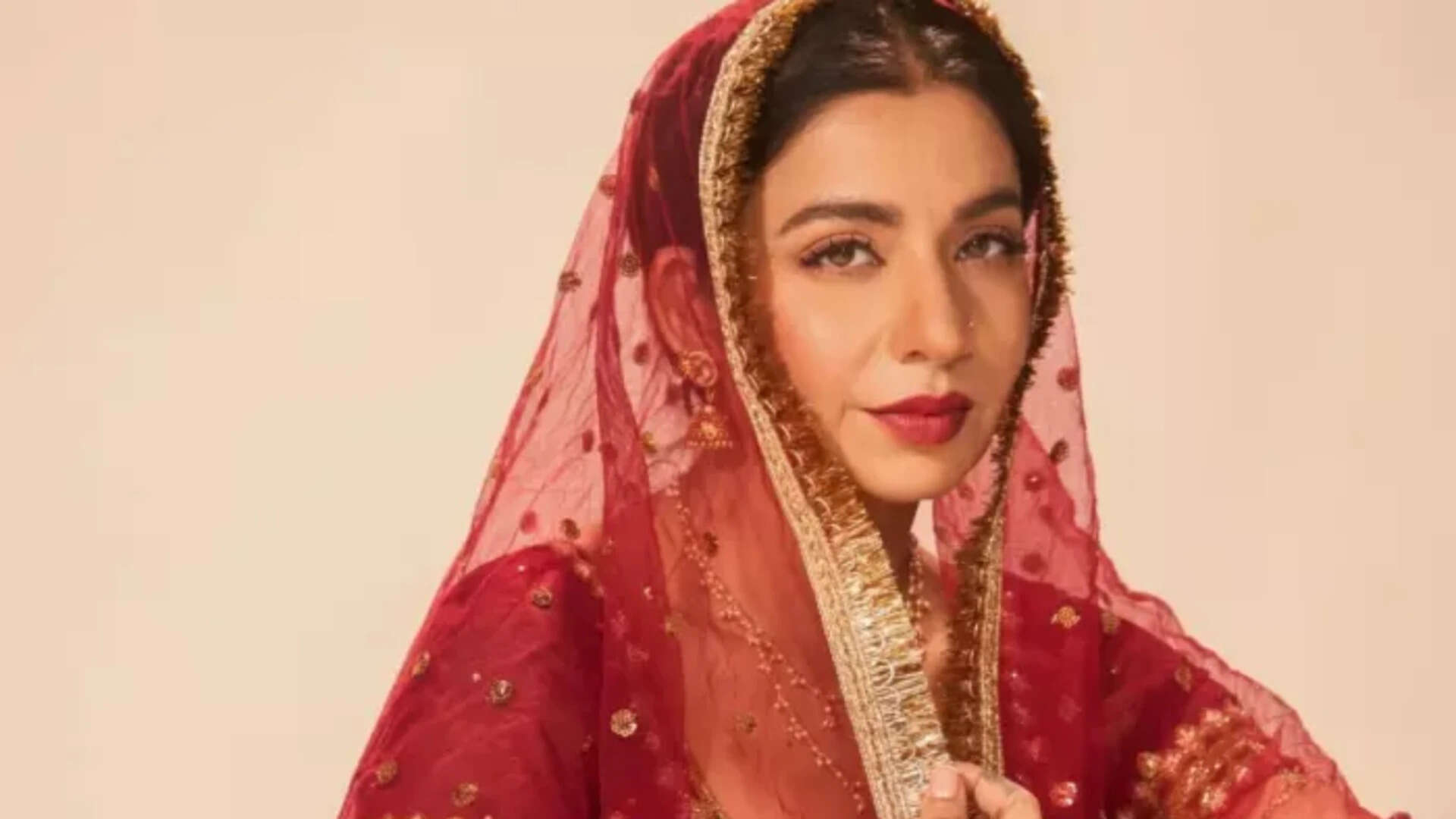
Punjabi singer Jasmine Sandlas recently shared a personal story about her first period. She said she thought she had cancer because she did not know what menstruation was. Sandlas spoke about this on a podcast to highlight the need for better menstrual education. She wants parents to talk openly with their children about periods before they reach puberty.
Main Impact
Jasmine Sandlas's story shows how a lack of basic knowledge about periods can cause fear and confusion. Her experience is a reminder that many young girls still do not get proper information about menstruation. This can lead to unnecessary panic and health worries. Sandlas is using her platform to push for more open conversations at home and in schools.
Key Details
What Happened
During a podcast interview, Jasmine Sandlas recalled her first period. She said she had no idea what was happening to her body. Because she had never been told about menstruation, she believed she was seriously ill. She thought she had cancer and was going to die. The fear stayed with her until she learned the truth from someone else.
Important Numbers and Facts
Sandlas did not share specific dates or ages in the interview. But her story is common. Many girls around the world start their periods without any prior knowledge. Studies show that a lack of menstrual education can cause anxiety and shame. Sandlas's message is clear: parents and schools must teach children about periods before they start.
Background and Context
Menstruation is a natural part of life for women and girls. But in many cultures, it is still a topic that people avoid discussing. This silence can leave young girls confused and scared when they get their first period. Jasmine Sandlas is a well-known Punjabi singer. By sharing her personal story, she hopes to break the taboo and encourage families to talk openly. Her message is simple: knowledge can prevent fear.
Public or Industry Reaction
Sandlas's comments have received support from fans and followers. Many people have shared their own similar experiences online. The podcast episode has sparked conversations about menstrual education. Listeners have praised Sandlas for being honest and for using her voice to address an important issue. Some have also called for better sex education in schools.
What This Means Going Forward
Jasmine Sandlas's story is a call to action for parents and educators. It shows that even basic information about periods can make a big difference. If children learn about menstruation early, they will not feel scared or ashamed. Schools and families need to work together to provide clear, age-appropriate education. This can help young girls feel prepared and confident, not frightened.
Final Take
Jasmine Sandlas's experience is a powerful reminder that knowledge is key. No child should have to think they are dying because they do not understand their own body. Her story encourages everyone to talk about periods openly and without shame. When we teach children the facts, we help them grow up healthy and informed.
Frequently Asked Questions
Why did Jasmine Sandlas think her first period was cancer?
Jasmine Sandlas had no prior knowledge about menstruation. When she saw blood, she did not know what was happening. She thought it was a serious illness like cancer because no one had explained periods to her.
What does Jasmine Sandlas want parents to do?
She wants parents to have open conversations with their children about periods before they reach puberty. She believes that talking early can prevent fear and confusion.
Why is menstrual education important?
Menstrual education helps young girls understand what is happening to their bodies. It reduces fear, shame, and misinformation. When children know the facts, they can handle their periods with confidence.



