Summary
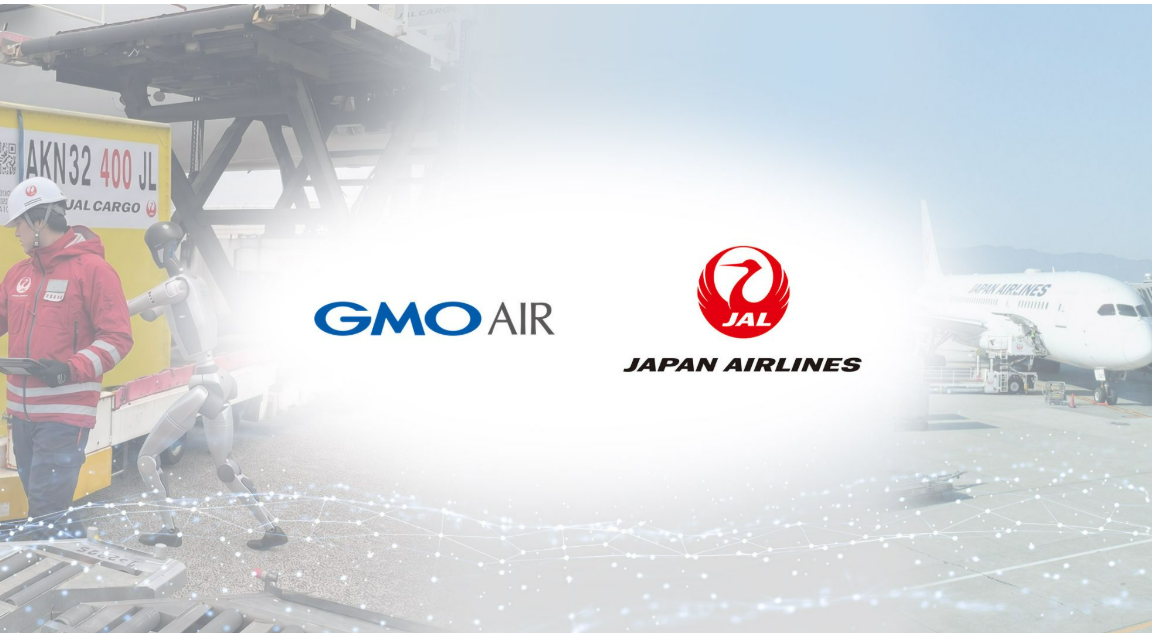
Japan Airlines is starting a new project to use humanoid robots at Tokyo’s Haneda Airport. These robots will take over physically demanding jobs like moving heavy suitcases and loading cargo onto planes. The goal is to help the airline manage a growing number of travelers while dealing with a shortage of human workers. This test will show if advanced machines can handle the busy and changing environment of a major international airport.
Main Impact
The use of humanoid robots marks a big shift in how airports might work in the future. For a long time, airports have used machines like conveyor belts, but those machines are fixed in one place. Humanoid robots are different because they can move around and perform many different tasks just like a person would. This could help Japan Airlines keep flights on time even when they do not have enough staff to handle the luggage manually.
If this test works well, it could change the way airports all over the world operate. It moves technology out of private factories and into places where the public can see it. This change is necessary because the travel industry is growing faster than the number of people available to work these tough jobs. By using robots for heavy lifting, the airline hopes to make the workplace safer for its remaining human employees.
Key Details
What Happened
Japan Airlines announced that it will begin testing humanoid robots in May 2026. These robots are designed to look and move somewhat like humans, which allows them to use tools and equipment made for people. At first, they will focus on moving bags and cargo. Later, the airline wants to see if the robots can clean the inside of airplanes and move baggage carts around the airport grounds.
Important Numbers and Facts
The trial is not a short-term project. It is scheduled to run from May 2026 until 2028. This two-year period will give the airline enough time to see how the robots handle different weather conditions and busy travel seasons. Haneda Airport, where the test is taking place, is one of the busiest airports in the world. This makes it a very difficult place for a robot to work, as there are many moving parts and people to avoid.
Background and Context
Japan is currently facing a serious problem with its workforce. The country has an aging population, which means there are fewer young people to take on physical jobs. At the same time, more people are visiting Japan than ever before. This creates a gap where there is too much work and not enough people to do it. Airports are feeling this pressure more than most other places.
In the past, robots were mostly used in car factories or large warehouses. In those places, the robots do the exact same move over and over again in a controlled space. An airport is much more chaotic. Suitcases come in all different shapes, sizes, and weights. Some bags are soft, while others are hard plastic. Humanoid robots need very smart software to figure out how to grab each bag without breaking it or dropping it.
Public or Industry Reaction
Experts in the tech industry are watching this trial closely. Many believe that humanoid robots are the next big step in automation. While some people worry that robots might take away jobs from humans, many in Japan see it as a helpful solution to a problem that already exists. Since there are not enough people applying for these jobs, the robots are filling a void rather than replacing active workers.
Travelers may have mixed feelings about seeing robots handle their expensive belongings. However, if the robots prove to be more careful and faster than human crews, passengers will likely support the change. Other airlines are also looking at this experiment to see if they should invest in similar technology for their own hubs.
What This Means Going Forward
The next two years will be a major learning period for Japan Airlines and the companies that build these robots. They will need to improve the sensors and balance of the machines so they can work safely around planes and other vehicles. If the robots can handle the rain, wind, and heat of an outdoor airport ramp, it will prove that they are ready for the real world.
We can expect to see more of these machines in other parts of our lives if this test is a success. If a robot can navigate a crowded airport and handle fragile luggage, it might soon be able to work in hospitals, construction sites, or delivery services. The data gathered at Haneda Airport will be used to make future robots smarter and more capable.
Final Take
Japan Airlines is taking a bold step by bringing humanoid robots into the public eye to solve real-world labor issues. This experiment at Haneda Airport is a glimpse into a future where humans and machines work side by side to keep the world moving. While there are still many technical challenges to overcome, the start of this trial shows that the age of robotic helpers is no longer just a dream.
Frequently Asked Questions
When will the robot tests begin?
The tests are set to start in May 2026 and will continue for two years, ending in 2028.
What specific jobs will the robots do?
Initially, they will handle luggage and cargo. Later, they may clean airplane cabins and move baggage carts around the airport.
Why is Japan Airlines using robots instead of people?
Japan is facing a shortage of workers due to an aging population, and the number of travelers is increasing, making it hard to find enough people for physical labor.