
Summary
The Indian government has reintroduced the Jan Vishwas (Amendment of Provisions) Bill, 2026. This new law aims to change how the government punishes businesses for minor mistakes. Instead of sending people to jail for small legal errors, the bill proposes using fines and internal penalties. While the government says this will make it easier to do business in India, critics worry that it might make companies less careful about following important rules.
Main Impact
The primary goal of this bill is to move away from criminal punishments for business-related errors. By removing the threat of jail time for hundreds of legal rules, the government hopes to create a more relaxed environment for investors and small business owners. The impact is widespread, as it touches nearly 80 different central laws. However, the shift from courts to administrative officers means that government officials will now have more power to decide on penalties, which has sparked a heated debate about fairness and corruption.
Key Details
What Happened
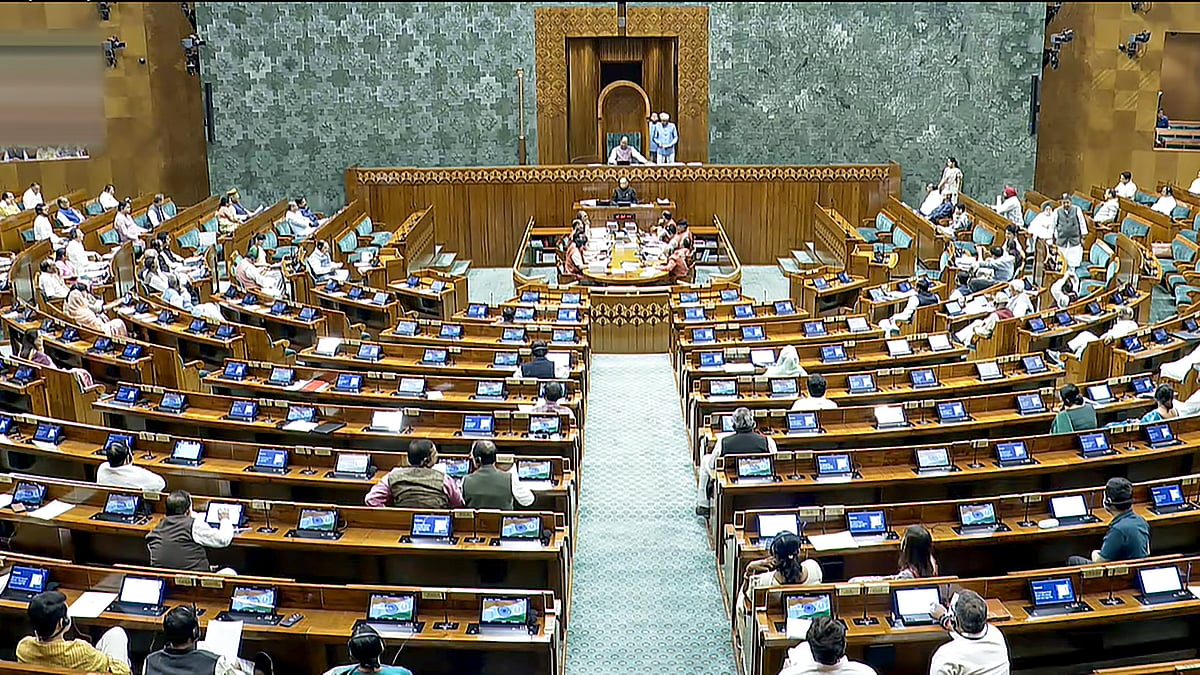
Minister of State for Commerce and Industry Jitin Prasada introduced the bill in Parliament. This follows an earlier version of the law passed in 2023. The government had briefly withdrawn the 2026 version to include suggestions from a special committee before bringing it back for a vote. The core idea is "trust-based governance," where the state trusts businesses more and punishes them less harshly for technical mistakes.
Important Numbers and Facts
The Jan Vishwas Bill of 2026 is massive in its scope. It seeks to change 79 different Central laws. Within these laws, there are 784 specific rules being looked at, and the government wants to decriminalize 717 of them. This means that for these 717 rules, a person can no longer be sent to prison. Instead, they will face monetary fines or other non-criminal punishments. This builds on the 2023 Act, which had already removed criminal penalties for 183 minor offenses across 42 laws.
Background and Context
For many years, business owners in India complained about "inspector raj." This term refers to a system where government inspectors had too much power and could threaten business owners with jail for small paperwork mistakes. Many of these laws were very old and did not fit the modern world. The government wants to change this to help the economy grow.
India is currently trying to become a global leader in manufacturing. To compete with other countries, the government believes it must reduce the "compliance burden." This means making it simpler and less scary for companies to follow the law. The Union Budget for 2025–26 specifically mentioned this plan, calling it "Jan Vishwas 2.0." The focus is especially on helping small and medium-sized businesses (MSMEs) and new startups that may not have the money to fight long court cases over minor errors.
Public or Industry Reaction
The reaction to the bill is divided. Business groups generally welcome the move, saying it removes the fear of being treated like a criminal for a simple mistake. They argue that it will save time and money that is currently spent on long legal battles in court.
On the other hand, Opposition MPs have raised strong objections. Members of Congress, such as K. Kavya and G.K. Padavi, argued that the bill might allow companies to simply "pay to break the law." They are concerned that if the only punishment is a fine, wealthy companies might ignore safety or environmental rules because they can easily afford the penalty. Critics also worry that giving government officers the power to set fines could lead to more bribery, as there is less oversight from the courts.
What This Means Going Forward
If the bill passes, it will change how laws are enforced in sectors like labor, industry, and consumer rights. The government will need to set up a clear system for how these new fines are decided. There is a risk that if the fines are too low, they will not stop companies from breaking the rules. If the fines are too high or decided unfairly, it could lead to more complaints from business owners.
The next step will be for Parliament to debate the bill further. Legal experts will be watching closely to see if the penalties are consistent across different laws. The government must find a balance between making business easy and keeping the public safe. They also need to ensure that the people in charge of giving out fines are held accountable so that the system remains honest.
Final Take
The Jan Vishwas Bill is a bold attempt to modernize India’s legal system by removing outdated criminal penalties. While it could greatly help small businesses grow without fear, the government must be careful. True reform requires more than just replacing jail time with fines; it requires a fair and transparent system where everyone follows the rules, regardless of how much money they have. The success of this law will depend on whether it actually improves trust or simply makes it easier for rule-breakers to avoid serious consequences.
Frequently Asked Questions
What does decriminalization mean in this bill?
It means that for certain minor offenses, a person will no longer face the risk of going to jail. Instead, the punishment will be changed to a financial fine or a warning decided by a government official.
Which businesses will benefit the most from this law?
Small and medium-sized businesses (MSMEs) and startups are expected to benefit the most. These companies often struggle with the high costs and stress of criminal legal cases for minor procedural errors.
Why are some people opposing the Jan Vishwas Bill?
Critics fear that removing jail time will make laws less effective. They worry that big companies will treat fines as a normal business cost and continue to break rules that protect workers and the environment.

