
Summary
The Brihanmumbai Municipal Corporation (BMC) has finished clearing the last remaining shelters at Jai Bhim Nagar in Powai. This move marks the end of a long and difficult struggle for hundreds of families who have been living on the sidewalk for nearly two years. These residents were forced onto the street after their original homes were destroyed during a previous demolition drive. Now, with the final structures removed, many people are left with nowhere to go and no clear plan for their future housing.
Main Impact
The primary impact of this action is the total displacement of a community that had lived in the area for decades. By removing the last makeshift huts, the city has effectively cleared the land, but it has also left hundreds of people, including children and the elderly, without any protection from the weather. This event highlights the ongoing tension between urban development projects and the housing rights of the city's poorest residents. Many of these people work in the nearby buildings and schools, and their removal disrupts their jobs and their children's education.
Key Details
What Happened
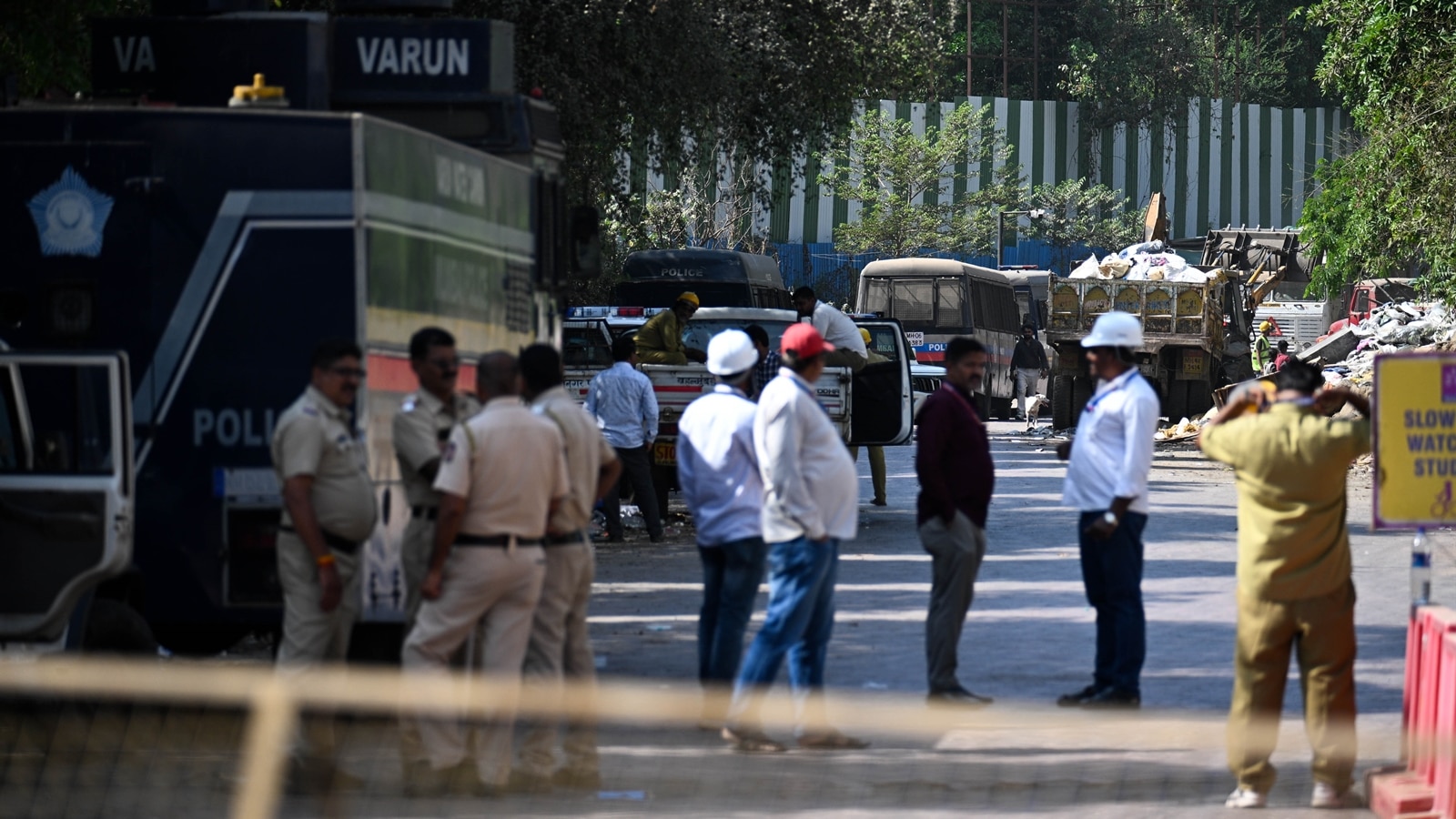
On the morning of the demolition, BMC officials arrived at the site with a large team of police officers and heavy machinery. The workers began tearing down the small shelters made of plastic sheets, wood, and bamboo that residents had built on the footpath. While some residents tried to protest or save their belongings, the authorities moved quickly to finish the job. By the end of the day, the stretch of road that had served as a home for these families was completely empty of structures.
Important Numbers and Facts
The struggle at Jai Bhim Nagar has affected roughly 600 families. The initial demolition of their permanent homes took place in June 2024, which led to a massive protest and clashes with the police. Since then, many families stayed on the nearby footpath, hoping the government would give them new homes. The land in question is a large plot in Powai, one of Mumbai's most expensive areas. Residents claim they have documents proving they lived there since the 1990s, but the authorities state the land is needed for other purposes and that the settlement was not legal.
Background and Context
Jai Bhim Nagar was a large settlement where thousands of people lived for many years. The conflict began when plans were made to use the land for a new project. In mid-2024, the BMC carried out a massive demolition drive during the monsoon season, which caused a huge public outcry. Since then, the residents have been caught in a legal battle. They argue that under city rules, they should be given alternative housing if they lived there before a certain date. However, the process of proving who is eligible for a new home has been slow and full of problems. Living on the footpath was a desperate attempt by these families to stay near their workplaces and keep their community together.
Public or Industry Reaction
The reaction to the final clearing has been a mix of sadness and anger. Human rights activists have criticized the BMC for removing people without providing a place for them to stay. They argue that forcing families onto the street violates basic human rights. On the other hand, some local residents in the nearby high-rise buildings had complained about the congestion and lack of space on the sidewalk. The city government maintains that it is simply following the law and clearing public land that was being used illegally. Legal experts note that this case shows how difficult it is for the poor to fight for land rights in a city where property prices are very high.
What This Means Going Forward
For the families of Jai Bhim Nagar, the future is very uncertain. Without their shelters on the footpath, they may be forced to move to other slums further away from their jobs or leave the city entirely. The legal case regarding their right to new housing is still moving through the courts, but it could take years to reach a final decision. This situation may lead to more protests or stricter rules about how the city handles slum clearances in the future. It also puts pressure on the government to speed up the Slum Rehabilitation Authority (SRA) projects so that people are not left on the streets for years at a time.
Final Take
The removal of the last homes at Jai Bhim Nagar is a reminder of the human cost of city growth. While the authorities have cleared the land, they have not yet solved the problem of where these people will live. A city cannot truly move forward if a large part of its workforce has no place to call home. Finding a balance between building new projects and protecting the lives of long-time residents remains one of the biggest challenges for the city administration.
Frequently Asked Questions
Why were the homes in Jai Bhim Nagar demolished?
The authorities stated that the settlement was built on land that did not belong to the residents and was needed for development. They also claimed the structures were illegal under city zoning laws.
What happened to the families who lived there?
After the first demolition in 2024, many families lived on the sidewalk in temporary shelters. Now that those shelters are gone, many are searching for space in other areas or waiting for news about government housing.
Are the residents eligible for new houses?
Some residents may be eligible for free housing under the Slum Rehabilitation Scheme if they can prove they lived there before the official cutoff date. However, many families are still struggling to get their documents approved by the government.



