
Summary
Internal disagreements have surfaced within the Indian Union Muslim League (IUML) following the announcement of candidates for the upcoming Kerala Assembly elections. Senior party members have expressed their dissatisfaction with the selection process in key constituencies like Tirurangadi and Perambra. These public complaints suggest a growing divide between the party leadership and its regional representatives over who is best suited to represent the people. The friction comes at a critical time as the party prepares for a high-stakes election battle.
Main Impact
The primary impact of these internal disputes is a potential threat to party unity during the election campaign. When high-ranking officials like State Secretary Abdu Rahman Randathani and Vanitha League leader Noorbeena Rasheed openly criticize party decisions, it can confuse the voter base. This lack of agreement might lead to poor coordination on the ground, making it harder for the party to win seats that were previously considered safe. Furthermore, it gives political opponents an opportunity to question the stability of the United Democratic Front (UDF) alliance, of which the IUML is a major part.
Key Details
What Happened
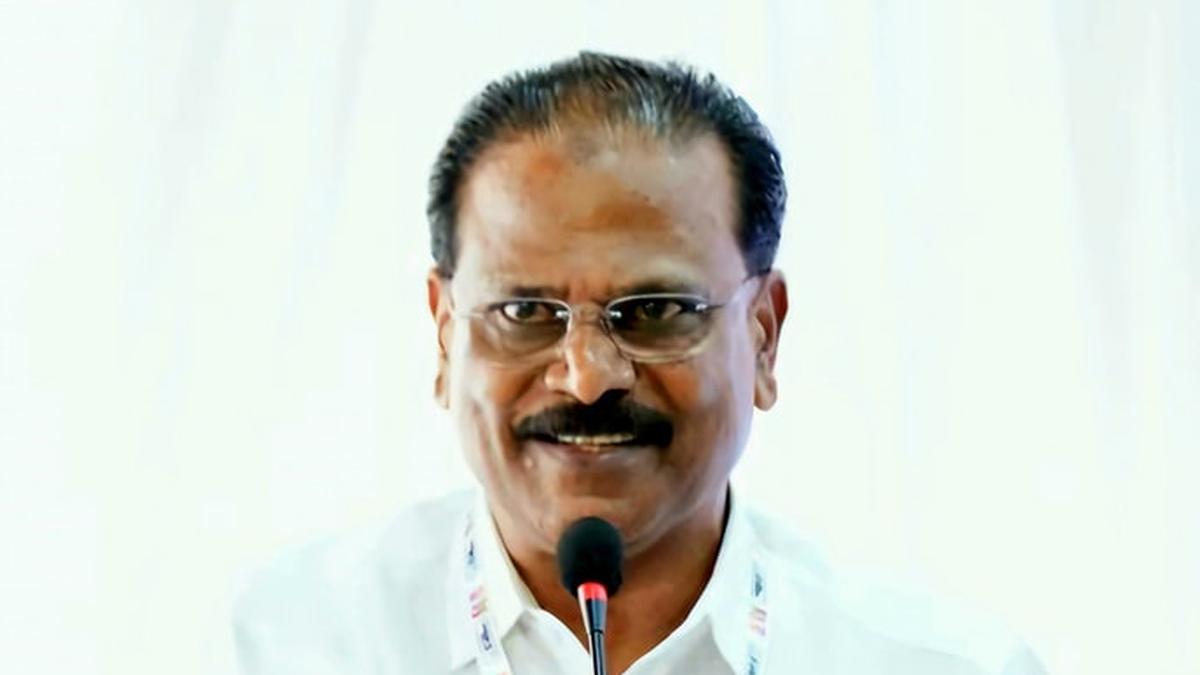
The trouble began shortly after the IUML released its list of candidates for the Kerala polls. Abdu Rahman Randathani, a well-known state secretary, voiced his strong disapproval regarding the candidate chosen for the Tirurangadi seat. He claimed that the party ignored voices that deserved to be heard and overlooked individuals who have dedicated years of service to the organization. At the same time, Noorbeena Rasheed, a leader of the party’s women’s wing, criticized the decision to field Fatima Thahiliya in Perambra. These public statements have brought internal party tensions into the spotlight.
Important Numbers and Facts
The IUML is contesting a significant number of seats as part of the UDF coalition. Tirurangadi has traditionally been a stronghold for the party, making the selection of a candidate there a very sensitive matter. In Perambra, the choice of Fatima Thahiliya represents an attempt to bring younger faces into the fold, but this has clearly upset established leaders within the Vanitha League. The party now faces the challenge of calming these senior leaders while trying to maintain its new list of candidates.
Background and Context
The Indian Union Muslim League is one of the most influential political groups in Kerala, particularly in the northern districts. For decades, the party has followed a traditional method of selecting candidates, often favoring senior male leaders. However, in recent years, there has been increasing pressure from the public and younger party members to include more women and youth. While the leadership is trying to adapt to these demands, the transition is proving to be difficult. Long-time workers feel they are being pushed aside for newer faces who may not have the same level of local experience.
Public or Industry Reaction
The reaction within the party ranks has been mixed. Some younger supporters have welcomed the inclusion of fresh candidates like Fatima Thahiliya, seeing it as a necessary step toward modernizing the party. However, many traditional supporters and local committee members side with leaders like Randathani. They argue that loyalty and long-term work should be rewarded with election tickets. On social media, voters are debating whether the party is losing its way or simply evolving. Political analysts suggest that if these grievances are not addressed quickly, they could lead to "rebel" candidates who run independently, further splitting the vote.
What This Means Going Forward
Moving forward, the IUML leadership must act fast to stop the spread of discontent. They will likely hold private meetings with the unhappy leaders to offer compromises or future roles within the party structure. If they fail to reach an agreement, the campaign in Tirurangadi and Perambra could suffer from a lack of local support. This situation also serves as a lesson for other political parties about the risks of changing candidate profiles without first getting the support of the existing leadership. The final outcome will depend on whether the party can convince its members that these choices were made for the greater good of the alliance.
Final Take
Internal conflict is common during election season, but for a disciplined party like the IUML, these public outbursts are a serious sign of trouble. The clash between traditional seniority and the need for new faces is a challenge that the party must solve to remain a strong force in Kerala politics. How the leadership handles this crisis will determine their success at the polls and the future direction of the party's internal culture.
Frequently Asked Questions
Why are IUML leaders unhappy with the candidate list?
Some leaders feel that the party ignored experienced members who have worked for the organization for a long time. They believe the selection process did not give enough weight to local service and seniority.
Who is Fatima Thahiliya and why is her candidacy debated?
Fatima Thahiliya is a young leader from the party's student wing. Her selection for the Perambra seat is seen as a move to include more youth and women, but senior leaders in the women's wing feel their own contributions were overlooked.
How could this affect the Kerala Assembly elections?
If the party remains divided, it could lead to a lack of enthusiasm among workers during the campaign. This might result in a lower voter turnout or a shift in votes toward other parties, potentially hurting the UDF's chances of winning.



