Summary
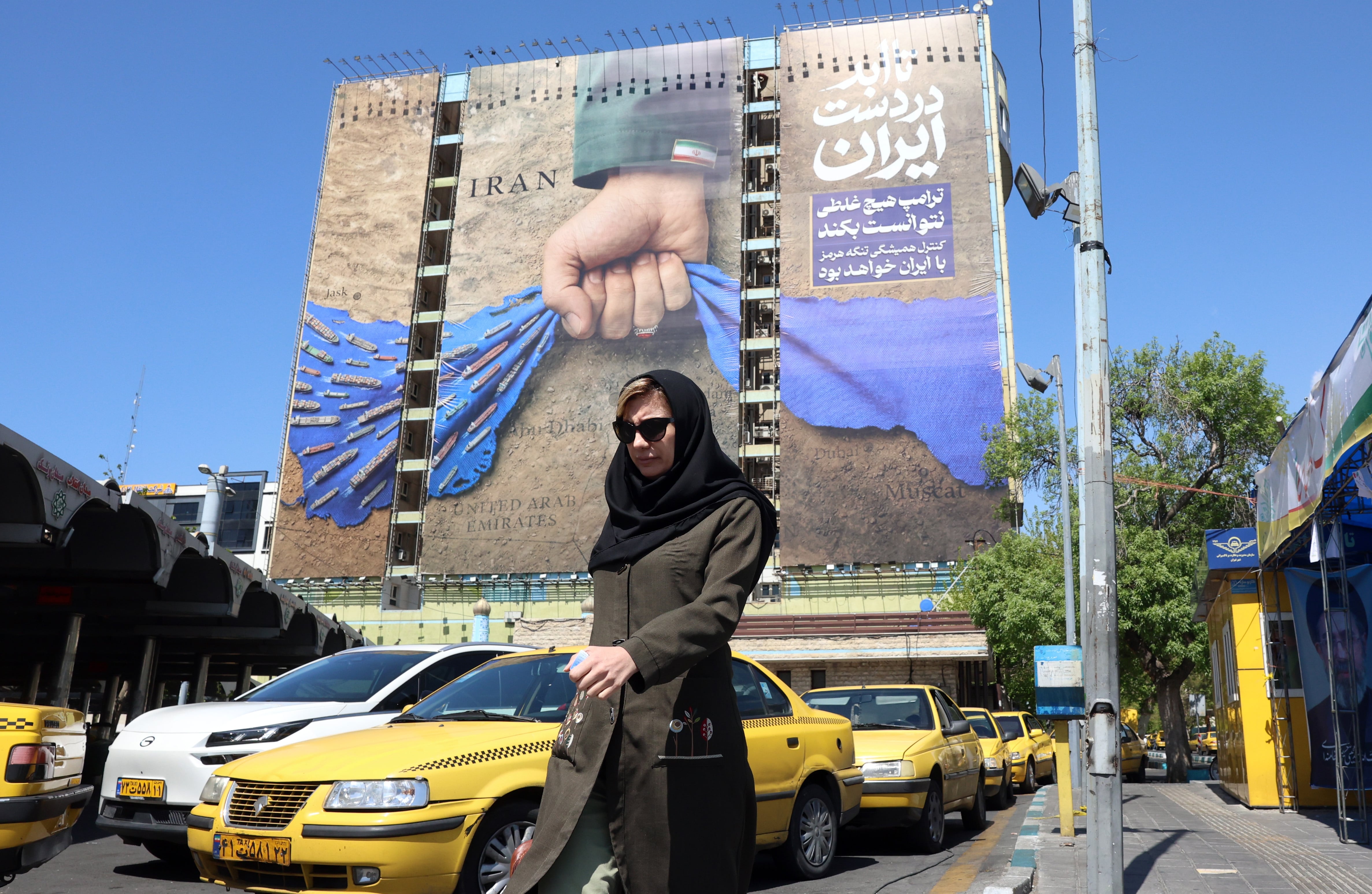
Israel has ordered a significant increase in military strength within occupied areas of southern Lebanon. This move comes at a time when diplomatic talks are happening in both Washington and Pakistan to try and stop the fighting. While leaders discuss a potential ceasefire, violence continues on the ground, with recent strikes causing multiple deaths. At the same time, Iran has issued a stern warning that it will block major international shipping routes if its own trade vessels remain restricted by the United States.
Main Impact
The decision to reinforce southern Lebanon shows that the conflict is far from over, despite rare diplomatic meetings. The most immediate impact is the increased risk of a wider regional war that could involve more countries. If Iran follows through on its threat to close the Persian Gulf and the Red Sea, it could cause a massive crisis for the global economy. These waterways are essential for moving oil and goods around the world. Any blockage would likely lead to higher prices for fuel and everyday items globally.
Key Details
What Happened
Prime Minister Benjamin Netanyahu gave the order to strengthen Israeli positions in southern Lebanon on Wednesday. This happened shortly after his Security Cabinet met to talk about a possible ceasefire. Interestingly, this follows the first direct meeting between Israeli and Lebanese officials in Washington in many years. While the politicians are talking, the military is still very active. Three new Israeli attacks in southern Lebanon resulted in the deaths of at least ten people, showing that the situation remains deadly.
On the diplomatic side, the United States is working through Pakistan to talk with Iran. Pakistan is currently acting as the only middleman in these specific negotiations. A long meeting took place over the weekend, lasting 21 hours, but the two sides could not reach an agreement. The White House has clarified that they have not officially asked to extend the current truce with Iran, which is set to expire next Wednesday.
Important Numbers and Facts
The current ceasefire between the United States and Iran is scheduled to end on April 22, 2026. Recent military actions in Lebanon have led to 10 confirmed deaths in a single day of strikes. The mediation session in Pakistan lasted for 21 continuous hours before ending without a deal. Iran’s threat covers three major bodies of water: the Persian Gulf, the Sea of Oman, and the Red Sea. These areas are some of the most important maritime paths in the world for commercial shipping and oil transport.
Background and Context
The conflict in southern Lebanon has been a long-standing issue for Israel. For decades, the border area has seen frequent fighting. The current escalation is part of a larger tension involving several groups and countries in the Middle East. Israel argues that it needs to secure its northern border to protect its citizens from rocket attacks and ground invasions. Lebanon, on the other hand, views the Israeli presence as an illegal occupation of its land.
The involvement of Iran adds another layer of difficulty. Iran supports various groups that oppose Israel, and the United States has placed heavy sanctions on Iranian trade. The U.S. often uses its navy to monitor or block Iranian ships that it believes are carrying illegal cargo or oil. Iran sees this as an act of war and is now using its control over narrow sea passages to fight back. The Strait of Hormuz, located between the Persian Gulf and the Sea of Oman, is a narrow point where Iran can easily stop ships from passing.
Public or Industry Reaction
Global markets are watching the situation with great concern. Shipping companies are worried about the safety of their crews and cargo in the Red Sea and the Persian Gulf. If these routes become too dangerous, ships have to take much longer paths around Africa, which adds weeks to travel time and millions of dollars in costs. International diplomats are urging both sides to stay at the table in Pakistan, as a total breakdown in talks could lead to a direct naval battle between the U.S. and Iran.
Inside Israel, there is a mix of opinions. Some people believe the military must stay strong in Lebanon to ensure safety, while others are hopeful that the direct talks in Washington might finally lead to a lasting peace. In Lebanon, the civilian population continues to suffer the most, with many people forced to leave their homes due to the ongoing strikes and military movements.
What This Means Going Forward
The next few days are very important. If no progress is made in the Pakistan talks before next Wednesday, the temporary truce between the U.S. and Iran will end. This could lead to more aggressive actions at sea. We should expect to see more naval activity from both the U.S. and Iran in the coming week. In Lebanon, the reinforcement of Israeli troops suggests that a full withdrawal is not happening anytime soon. Even if a ceasefire is signed, the presence of more soldiers makes the situation more fragile.
Observers will be looking for signs of a second round of face-to-face meetings in Pakistan. If those meetings happen, it might mean there is still a chance for a deal. If they do not, the risk of a larger conflict will grow. The world will also be watching the oil markets, as any sign of a blockade will cause prices to jump immediately.
Final Take
The situation is a race between military force and diplomatic talk. While leaders are meeting in offices to find a way out of the war, the reality on the ground is one of more troops and more attacks. The threat to global shipping lanes makes this more than just a local fight; it is a global issue that could affect people far away from the Middle East. The coming days will show if words can stop the weapons or if the conflict is moving into a much more dangerous phase.
Frequently Asked Questions
Why is Pakistan involved in the talks?
Pakistan is acting as the sole mediator between the United States and Iran. Because the U.S. and Iran do not have direct diplomatic relations in many cases, they use a third country to pass messages and host meetings to avoid direct conflict.
What happens if the ceasefire expires next Wednesday?
If the ceasefire expires without a new agreement, both the United States and Iran could return to more aggressive military actions. This includes the possibility of Iran blocking oil tankers and the U.S. taking more direct action against Iranian ships.
Why is the Strait of Hormuz so important?
The Strait of Hormuz is a narrow waterway that connects the Persian Gulf to the rest of the world's oceans. About one-fifth of the world's total oil supply passes through this point. If it is blocked, it would cause a major shortage of energy worldwide.