Summary
A new ceasefire agreement has finally brought a stop to the heavy fighting between Israel and Lebanon. After weeks of intense air strikes and ground battles, the silence of the guns has given millions of people a chance to breathe. While the immediate relief is being celebrated in the streets of Lebanon, many leaders warn that the peace is fragile. This deal aims to end the violence, but the hard work of making sure it lasts is only just beginning.
Main Impact
The most direct impact of this ceasefire is the saving of lives. For the first time in over a month, families in southern Lebanon and Beirut do not have to fear bombs falling from the sky. The stop in fighting has allowed thousands of displaced people to start the journey back to their villages. However, the impact is also one of shock, as many return to find their homes and businesses turned into piles of rubble. The halt in conflict also allows international aid groups to move food, water, and medicine into areas that were previously too dangerous to reach.
Key Details
What Happened
The ceasefire agreement was reached after days of high-pressure talks led by international mediators. Under the terms of the deal, both the Israeli military and the armed group Hezbollah have agreed to stop all attacks. The plan involves a gradual withdrawal of forces from the border area. Over the next few weeks, the Lebanese national army is expected to move into the southern region to act as a buffer and maintain order. This is meant to ensure that no unofficial armed groups remain near the border with Israel.
Important Numbers and Facts
The conflict has left a deep mark on both countries. In Lebanon, more than 3,000 people lost their lives during the weeks of fighting, and over 13,000 were injured. The number of people forced to leave their homes was staggering, with more than 1.2 million people displaced. On the Israeli side, tens of thousands of residents in the north were also forced to live in shelters or move to hotels in safer cities. The cost of the damage to buildings and roads in Lebanon is estimated to be in the billions of dollars, making the recovery process a massive task for a country already facing a weak economy.
Background and Context
To understand why this ceasefire is so important, it is helpful to look at how the fighting started. The tension between Israel and Hezbollah has existed for decades, but it grew much worse following the start of the war in Gaza. Hezbollah began firing rockets into northern Israel to show support for its allies. Israel responded with a massive military campaign aimed at stopping these rocket attacks and pushing Hezbollah away from the border. This led to a full-scale conflict that many feared would pull the entire Middle East into a much larger war. The ceasefire is seen as a way to prevent that total disaster from happening.
Public or Industry Reaction
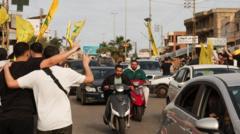
In Lebanon, the reaction has been a mix of joy and sadness. In the capital city of Beirut, people honked car horns and waved flags to celebrate the end of the bombing. However, in the south, the mood is more somber as families look at the destruction of their towns. In Israel, the reaction is more cautious. Many residents in the north are afraid to return home, worrying that the ceasefire might not hold and that rockets could start falling again at any moment. International leaders have praised the deal, calling it a vital step toward stability, but they also stressed that both sides must follow the rules strictly to avoid a restart of the war.
What This Means Going Forward
The next few months will be a major test for the ceasefire. The biggest challenge is the "monitoring" of the deal. A committee led by international partners will need to watch the border closely to make sure no one breaks the rules. If Hezbollah tries to move weapons back into the area, or if Israel continues to fly planes over Lebanon, the deal could fall apart quickly. There is also the question of rebuilding. Lebanon needs a lot of money to fix its broken infrastructure, but many countries are hesitant to give money unless they are sure the peace will last. The Lebanese army also needs more equipment and training to effectively control the south.
Final Take
This ceasefire is a vital pause in a very violent chapter of history. It provides a window of hope for millions of people who have suffered through weeks of fear and loss. While the guns are silent for now, the underlying problems that caused the war have not been fully solved. True peace will require more than just a stop to the shooting; it will require long-term political solutions and a real commitment from all sides to respect the border. For now, the world watches and hopes that this quiet period can turn into a permanent end to the violence.
Frequently Asked Questions
How long is the ceasefire supposed to last?
The current agreement is intended to be permanent, but it starts with a 60-day transition period. During this time, the Lebanese army will move into the south and the Israeli military will slowly pull back its forces.
Can people return to their homes in southern Lebanon?
Yes, many people have already started returning. However, officials have warned that many areas are still dangerous due to unexploded bombs and destroyed buildings. People are being told to be very careful when entering damaged structures.
Who will make sure the ceasefire is followed?
A special group including the United States, France, and the United Nations will monitor the situation. The Lebanese army is also responsible for making sure that no armed groups other than the official military are active in the southern border region.