Summary
President Donald Trump has announced a new 10-day ceasefire between Israel and Lebanon. The agreement is set to begin tonight at midnight local time in the Middle East. According to the announcement, both Israeli Prime Minister Benjamin Netanyahu and Lebanese President Joseph Aoun have agreed to stop the fighting. This move is seen as a major step to help ongoing peace talks involving the United States, Iran, and Pakistan.
Main Impact
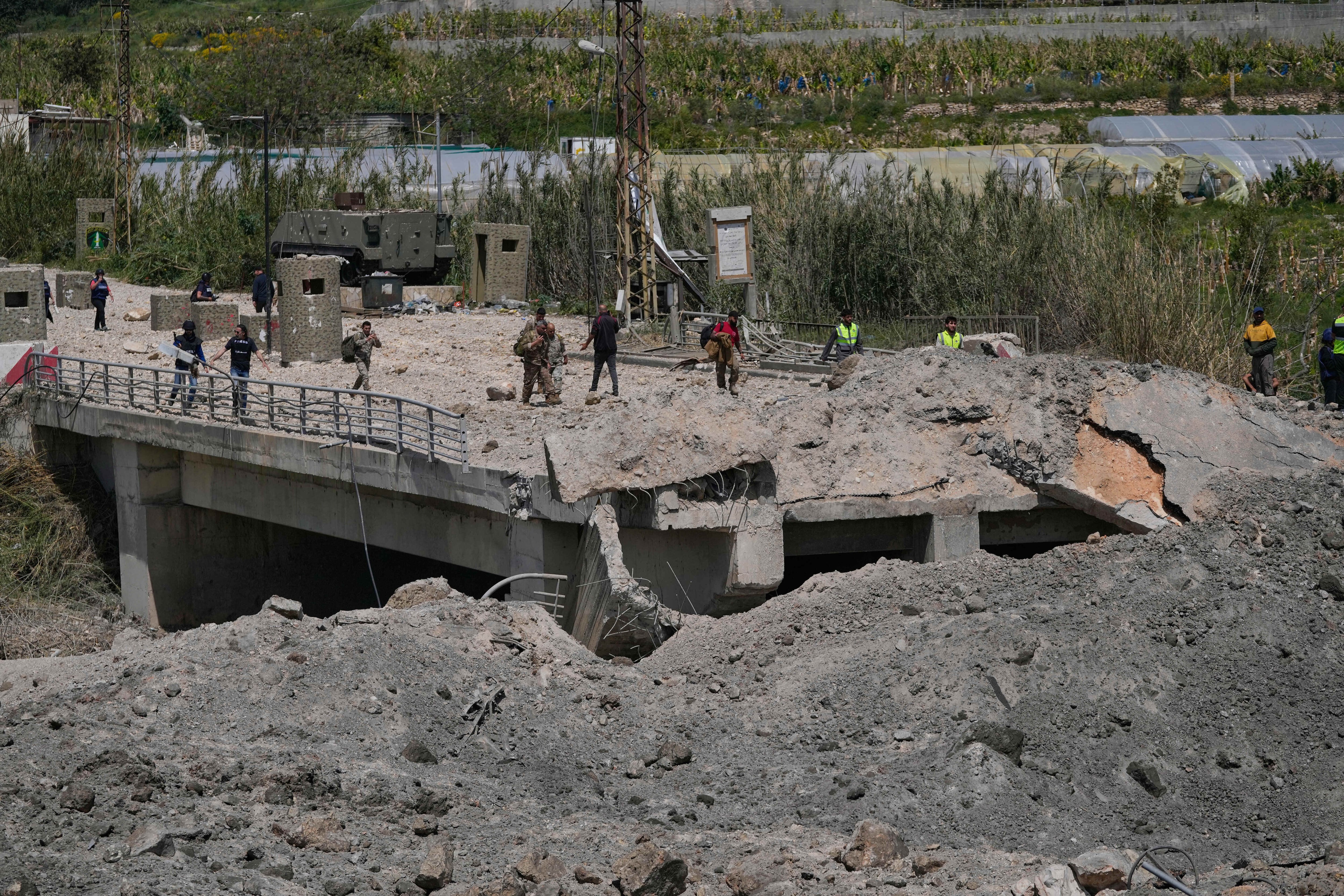
The primary goal of this ceasefire is to stop the immediate violence and destruction in southern Lebanon. For weeks, Israeli forces have been moving through the region, leading to the destruction of many small towns and villages. By calling for this 10-day pause, the United States is trying to create a calm environment for deeper diplomatic talks. This decision marks a change in strategy for the Trump administration, which had previously allowed Israel to continue its military operations. Now, the focus has shifted toward stopping the fire to keep larger peace negotiations with Iran from falling apart.
Key Details
What Happened
The announcement came directly from President Trump, who stated that the leaders of Israel and Lebanon had reached an agreement to pause all hostilities. The timing is very specific, with the ceasefire scheduled to start at 11:00 PM in Spain, which is midnight in both Israel and Lebanon. Despite the announcement from the White House, it is important to note that neither the Israeli government nor the Lebanese government has officially confirmed the deal through their own channels yet. This has created a sense of cautious waiting among international observers.
Important Numbers and Facts
The ceasefire is strictly set for a 10-day period. This timeline is meant to overlap with a larger 15-day global ceasefire plan that was already being discussed. That broader plan, which was helped along by Pakistan, is scheduled to end next Wednesday. By setting this 10-day window, the U.S. hopes to bridge the gap and ensure that fighting does not ruin the progress made in talks with Iran. Currently, Israeli troops are physically present in a strip of land in southern Lebanon, and the halt in fighting would mean an immediate stop to their forward movement and the demolition of buildings in that area.
Background and Context
To understand why this matters, we have to look at the role of other countries in the region. Iran has been a key player in these discussions. The Iranian government made it clear that they would only continue talking with the United States if the fighting in Lebanon stopped. Pakistan has also stepped in as a surprise middleman, helping to coordinate between the different sides. Before this announcement, Israel had been bombing targets in Lebanon with what many described as a "green light" from the U.S. government. However, as those bombings began to make diplomatic progress impossible, the U.S. decided to push for this temporary peace to save the overall negotiations.
Public or Industry Reaction
The reaction so far has been a mix of hope and doubt. Many people in Lebanon are desperate for the bombing to stop so they can assess the damage to their homes. In Israel, there are questions about whether a 10-day pause is enough to achieve any long-term security goals. International diplomats have praised the move as a necessary step, but they remain worried because the actual combatants—the soldiers and leaders on the ground—have not yet released their own statements. Without official confirmation from Netanyahu and Aoun, there is a fear that the fighting might not actually stop at midnight.
What This Means Going Forward
The next 10 days will be a major test for the region. If the ceasefire holds, it could lead to a more permanent peace deal. It would also allow the U.S. and Iran to talk more seriously about other issues without the distraction of an active war. However, if either side breaks the agreement, it could lead to even more intense fighting. The biggest risk is that this is only a short break for both sides to regroup before starting the war again. The world will be watching closely to see if the guns actually go silent at midnight and if the 15-day global plan can be extended or turned into something more lasting.
Final Take
This 10-day ceasefire is a high-stakes gamble by the Trump administration to force a diplomatic win. While the announcement brings a moment of hope, the lack of official confirmation from Israel and Lebanon means the situation remains very fragile. The coming hours will reveal if this is a true turning point or just a brief pause in a long conflict.
Frequently Asked Questions
When does the ceasefire start?
The ceasefire is scheduled to begin at midnight local time in Israel and Lebanon on Thursday night. This is 11:00 PM in Spain.
Has Israel confirmed the agreement?
As of now, Prime Minister Benjamin Netanyahu has not officially confirmed the ceasefire, even though President Trump announced that an agreement was reached.
Why is Iran involved in these talks?
Iran is a major supporter of groups in Lebanon and has a strong influence in the region. They demanded a stop to the fighting as a condition for continuing their own diplomatic talks with the United States.