Summary
Israel has announced its intention to take control of a large buffer zone in southern Lebanon to protect its northern border. This decision means that thousands of Lebanese residents who fled their homes will not be allowed to return for the foreseeable future. Israeli officials stated that the move is necessary to stop ongoing attacks and ensure that Israeli citizens can safely return to their own towns in the north. This development marks a significant escalation in the regional conflict and raises concerns about a long-term military presence in Lebanese territory.
Main Impact
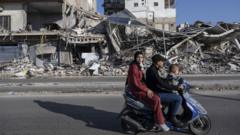
The creation of this buffer zone has an immediate and severe impact on both sides of the border. For Israel, the goal is to push armed groups away from the fence to prevent rocket fire and ground raids. For Lebanon, it means a loss of control over a large portion of its southern land and a massive displacement crisis. Thousands of families are now stuck in temporary shelters with no clear timeline for when they might see their homes again. This move changes the physical map of the conflict and suggests that the fighting has entered a new, more permanent phase.
Key Details
What Happened
The Israeli military and government leaders confirmed that they will maintain a physical presence in southern Lebanon. They describe this area as a "security belt" or buffer zone. The primary reason given is the constant threat posed by groups operating near the border. By holding this ground, Israel intends to create a space where they can monitor and stop threats before they reach Israeli civilian areas. This decision follows months of cross-border fire that has made life impossible for people living in northern Israel.
Important Numbers and Facts
While the exact size of the buffer zone has not been fully mapped out in public statements, it is expected to cover several miles of Lebanese territory along the entire border. Reports indicate that over 100,000 people have been displaced from southern Lebanon since the current round of fighting began. On the Israeli side, roughly 60,000 to 80,000 residents have been living in hotels and temporary housing for months. Israel has made it clear that the return of these citizens is a top national priority, and the buffer zone is their chosen method to achieve that goal.
Background and Context
The border between Israel and Lebanon has been a flashpoint for decades. In the past, Israel has occupied parts of southern Lebanon for similar reasons, most notably between 1985 and 2000. During that time, a security zone was established to prevent attacks, but it led to years of heavy fighting and eventually an Israeli withdrawal. The current situation is driven by the rise in advanced drone and rocket technology, which makes the border even harder to defend from a distance. Israel argues that without a physical buffer, their northern towns will remain ghost towns forever.
Public or Industry Reaction
The reaction to this news has been divided. Inside Israel, many residents of northern towns support the move, feeling that it is the only way they can ever feel safe enough to go home. They have been pressuring the government to take stronger action for months. However, the Lebanese government and international observers have expressed deep concern. Lebanon views this as a violation of its sovereignty and an illegal occupation of its land. International aid groups are also worried about the humanitarian cost, as more people are forced away from their farms and businesses in the south.
What This Means Going Forward
Looking ahead, the establishment of a buffer zone could lead to a long and drawn-out military stay. It is rarely easy to leave such zones once they are set up, as the security threats often remain. There is also the risk that this move will cause the conflict to grow, drawing in more regional players. Diplomatic efforts to find a peaceful solution will become much harder now that territory is being held. For the displaced Lebanese families, the future is uncertain, as their return is now tied to a security situation that they cannot control.
Final Take
The decision to hold a buffer zone shows that Israel is prioritizing immediate border security over diplomatic caution. While this may provide a temporary sense of safety for northern Israeli towns, it creates a new set of long-term problems. The displacement of thousands of Lebanese civilians and the occupation of land will likely fuel more anger and tension in the region. Finding a way to balance the safety of one population without destroying the lives of another remains the biggest challenge in this conflict.
Frequently Asked Questions
Why is Israel creating a buffer zone?
Israel says it needs the buffer zone to stop rocket attacks and ground raids from southern Lebanon, allowing its northern residents to return home safely.
What happens to the Lebanese people living in that area?
Thousands of Lebanese residents have been displaced and are currently not allowed to return to their homes until Israel decides the area is secure.
Has Israel done this before?
Yes, Israel maintained a similar security zone in southern Lebanon for 15 years, from 1985 until they withdrew in the year 2000.