
Summary
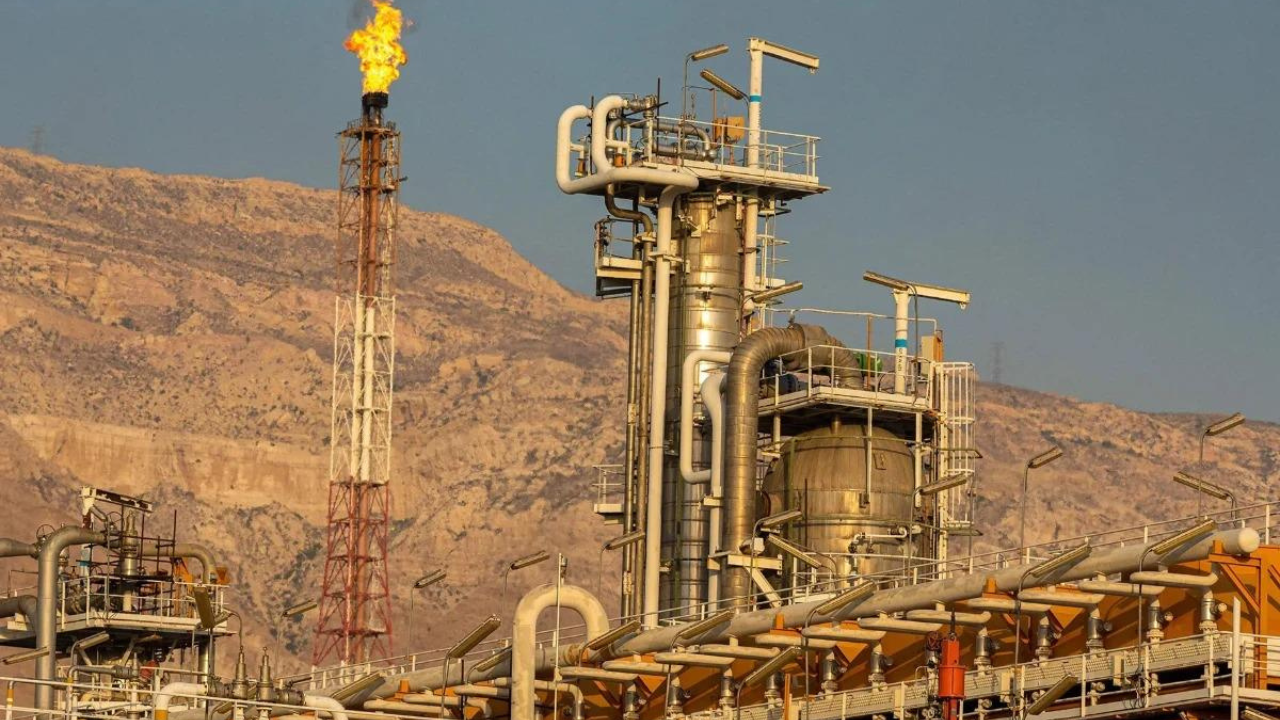
Israel has carried out a major air strike on Iran’s South Pars gas field, which is the largest natural gas field in the world. This attack follows a joint operation by the United States and Israel that resulted in the death of Iran’s top leader. The strike on such a critical energy site has caused immediate fear in global markets and significantly increased the risk of a larger war in the Middle East. Iran has already threatened to strike back by targeting energy facilities in neighboring Gulf countries.
Main Impact
The attack on South Pars is a major shift in the ongoing conflict because it targets Iran’s economic heart. By hitting the gas field, Israel is not just attacking a military target but is threatening the energy supply that Iran needs to function. This move has caused natural gas prices to jump globally as traders worry about a shortage. If the damage is severe, it could lead to power outages across Iran and stop their ability to export energy to other nations. Furthermore, the threat of a "tit-for-tat" energy war now looms over the entire region, which could affect oil and gas supplies for the whole world.
Key Details
What Happened
Israeli military forces launched a targeted strike against the South Pars facility shortly after a high-profile operation killed Iran’s supreme leader. While the United States confirmed it worked with Israel to target the leader, American officials have stated they were not informed beforehand about the plan to bomb the gas field. The strike hit key parts of the infrastructure used to process and move gas. This has led to an immediate shutdown of several operations at the site to prevent fires or further explosions.
Important Numbers and Facts
The South Pars gas field is a massive underwater area shared between Iran and Qatar. It holds an estimated 1,800 trillion cubic feet of gas, which is about 8% of all the known gas reserves on Earth. For Iran, this single field provides more than 70% of the natural gas used by its citizens for heating and electricity. It also accounts for a huge portion of the country’s yearly income. Because the field is shared with Qatar, any military action in the area creates a very dangerous situation for international shipping and neighboring countries that rely on the same waters.
Background and Context
To understand why this matters, one must look at how much Iran relies on South Pars. For years, Iran has struggled under economic sanctions, and its energy sector is one of the few things keeping its economy moving. South Pars is not just a gas field; it is the symbol of Iran’s industrial strength. Israel and Iran have been in a "shadow war" for a long time, usually attacking each other through smaller groups or cyberattacks. However, directly bombing a massive energy site marks a new and more dangerous phase of the conflict. Israel likely chose this target to weaken Iran’s ability to fund its military and to put pressure on the Iranian government during a time of leadership crisis.
Public or Industry Reaction
The international community has reacted with deep concern. Energy experts warn that if Iran follows through on its threat to hit other Gulf energy sites, the world could see a massive spike in fuel prices. Leaders in neighboring countries like Saudi Arabia and the United Arab Emirates are on high alert, fearing that their own oil fields could be next. Meanwhile, the United States is trying to distance itself from the gas field strike to avoid being pulled into a direct war with Iran. Oil market analysts say that the uncertainty alone is enough to keep prices high for several weeks, as no one knows if the supply lines through the Strait of Hormuz will remain open.
What This Means Going Forward
The next few days will be critical. If Iran decides to retaliate, they might target tankers in the Persian Gulf or oil refineries in nearby countries. This would turn a local conflict into a global economic crisis. There is also the question of who will lead Iran now that their top leader is gone. A new leader might feel the need to show strength by launching a massive military response. On the other hand, the damage to the gas field might make it harder for Iran to sustain a long war. Diplomatic groups are working quickly to try and stop the situation from getting worse, but the level of trust between the two sides is at an all-time low.
Final Take
The bombing of South Pars is more than just a military strike; it is an attack on the global energy system. By targeting the world’s largest gas field, Israel has shown that it is willing to use economic destruction as a tool of war. This move forces the rest of the world to pay attention, as the consequences will be felt at gas stations and in electricity bills far away from the Middle East. The focus now shifts to Iran’s next move and whether the region can avoid a total collapse into war.
Frequently Asked Questions
Why is the South Pars gas field so important?
It is the largest gas field in the world and provides the majority of Iran's domestic energy and export income. It is essential for the country's economy and daily life.
Did the United States help Israel attack the gas field?
The U.S. says it was involved in the operation to kill Iran's leader but denies having any prior knowledge or involvement in the specific strike on the South Pars gas field.
How will this affect gas prices?
Prices have already started to rise due to fears of a supply shortage. If the conflict spreads to other energy sites in the Gulf, prices could go much higher.

