Summary
Sri Lanka has successfully sent 238 Iranian sailors back to their home country after they were left stranded following a violent maritime incident. These sailors were the survivors of a U.S. torpedo attack on the Iranian ship Iris Dena. The attack was a major event that resulted in the deaths of 104 people on board. By facilitating their return, Sri Lanka has helped resolve a difficult humanitarian situation that followed the sinking of the vessel.
Main Impact
The return of these 238 sailors marks the end of a long and painful period for the survivors and their families. This repatriation is important because it shows how neutral countries can help manage the human cost of international conflicts. The incident has caused a significant stir in global politics, especially given the high number of deaths. For the survivors, getting home means they can finally receive long-term support and medical care in a familiar environment, away from the site of the tragedy.
Key Details
What Happened
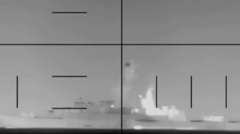
The Iranian ship, named the Iris Dena, was traveling through international waters when it was struck by a torpedo launched by U.S. forces. The impact caused the ship to take on water quickly, leading to a chaotic scene as the crew tried to escape. While many were rescued, 104 people did not survive the initial blast or the sinking. The survivors were eventually brought to Sri Lanka, where they were given temporary shelter and medical help while the two governments worked out a plan for their safe return.
Important Numbers and Facts
The scale of this event is clear from the data provided by officials. A total of 238 sailors were part of the group sent back to Iran this week. The death toll stands at 104, making it one of the most serious naval incidents in recent years. The repatriation process involved multiple transport steps, including coordination between the Sri Lankan Navy, aviation authorities, and Iranian diplomats. All 238 survivors were checked by doctors before they were allowed to board their flights home.
Background and Context
This topic matters because the safety of the seas is vital for every country. When a ship is attacked, it is not just a military issue; it is a human crisis. The relationship between the United States and Iran has been tense for a long time, and this tension often shows up in busy shipping lanes. Sri Lanka often finds itself in the middle of these situations because of its location in the Indian Ocean. As a neutral party, Sri Lanka provides a place where survivors can be treated fairly regardless of the politics behind the attack. This event highlights the dangers that sailors face when working in areas where military activity is high.
Public or Industry Reaction
The reaction to the sailors' return has been a mix of relief and anger. In Iran, families of the survivors have expressed great joy at the news of their return, though there is still deep mourning for the 104 people who died. International maritime groups have called for a full investigation into the attack, questioning why a torpedo was used against the Iris Dena. Some industry experts worry that such events will make it harder to find crews willing to work on ships that travel through high-risk zones. Meanwhile, the Sri Lankan government has been praised for its quick action in providing food, medicine, and a safe path home for the stranded men.
What This Means Going Forward
Looking ahead, this incident will likely lead to new discussions about maritime law and the rules of engagement at sea. There will be pressure on international bodies to ensure that such a high loss of life does not happen again. For the 238 survivors, the road to recovery will be long, as many are dealing with the trauma of the attack. Governments may also look at ways to improve communication to prevent accidental or intentional attacks on non-combat ships. The successful return of the sailors shows that even when countries are at odds, humanitarian efforts can still succeed through the help of third-party nations.
Final Take
The safe return of these 238 sailors is a positive end to a very dark chapter. While the loss of 104 lives is a heavy burden that will not be forgotten, the cooperation shown in getting the survivors home is a sign that human life can still be a priority. This event serves as a stark reminder of the risks present in global waters and the importance of maintaining peace to protect those who work at sea.
Frequently Asked Questions
How many Iranian sailors were sent home from Sri Lanka?
A total of 238 sailors were repatriated to Iran after being stranded following the attack.
What happened to the ship Iris Dena?
The Iris Dena was hit by a U.S. torpedo, which caused the ship to sink and resulted in the deaths of 104 people.
Why were the sailors in Sri Lanka?
After the attack, the survivors were brought to Sri Lanka because it was the nearest safe location where they could receive medical care and wait for their return home to be organized.