Summary
The ongoing conflict between the United States, Israel, and Iran has led to a sharp rise in civilian deaths. Among the many lives lost are a dedicated pharmacist and a popular blogger who had recently returned home. These deaths highlight the heavy price regular people are paying as the war moves into urban areas. As the fighting continues, the stories of these individuals serve as a reminder of the human cost behind the military headlines.
Main Impact
The war is no longer limited to military bases or remote outposts. It has moved into the heart of Iranian cities, where millions of people live and work. The death of civilians like doctors, teachers, and shopkeepers is tearing the social fabric of the country apart. When a pharmacist or a community leader is killed, the impact goes beyond one family. It leaves a gap in the essential services that survivors need to stay alive during the crisis.
Key Details
What Happened
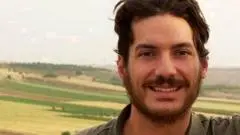
In recent days, several strikes have hit residential neighborhoods in major Iranian cities. Reports indicate that these attacks have caused significant damage to homes and local businesses. One of the victims was a well-known pharmacist who refused to close his shop despite the danger. He believed that his neighbors needed their heart and blood pressure medicine more than ever. He was killed when a blast struck the building next to his pharmacy.
Another victim was a young woman who ran a popular social media blog. She had spent years living in Europe but moved back to Iran just before the war started because she missed her family and her culture. She used her platform to share stories of daily life and hope, but her voice was silenced during a recent wave of aerial attacks. Her followers across the world have expressed shock at her sudden death.
Important Numbers and Facts
As of March 24, 2026, local health officials report that civilian casualties have reached record highs. Thousands of people have been forced to leave their homes in search of safety. Many are now living in temporary shelters with very little food or clean water. The destruction of infrastructure, including power plants and water systems, has made life nearly impossible for those who remain in the conflict zones.
Background and Context
This conflict did not start overnight. Tensions between the US, Israel, and Iran have been growing for years over political and security issues. However, the move to full-scale war has changed everything for the people living in the region. In the past, many hoped that diplomacy would prevent such a disaster. Now, that hope has been replaced by the daily reality of sirens and explosions. The war has disrupted schools, closed businesses, and stopped the flow of goods into the country, leading to a massive humanitarian crisis.
Public or Industry Reaction
The international community has reacted with a mix of anger and concern. Human rights groups are calling for an immediate end to the strikes on civilian areas. They argue that international law must be followed to protect those who are not part of the fighting. Inside Iran, there is a deep sense of grief. Funerals have become a daily occurrence, and many people feel that the world is not doing enough to stop the violence. In other countries, protesters have taken to the streets to demand a ceasefire and more aid for the victims.
What This Means Going Forward
The loss of skilled professionals like pharmacists will make the recovery process much harder. Even if the war ends tomorrow, the damage to the healthcare system and the economy will take years to fix. There is also a risk that the anger caused by civilian deaths will lead to more violence in the future. For now, the focus remains on trying to get aid to those in need. International agencies are struggling to bring in medical supplies and food because of the ongoing danger and blocked roads.
Final Take
The stories of the pharmacist and the blogger show that war does not choose its victims based on politics. It takes away people who were simply trying to live their lives and help their communities. While the world watches the military movements, it is the loss of these individual lives that truly defines the tragedy of this conflict. The real measure of this war is not found in the territory gained, but in the lives that can never be replaced.
Frequently Asked Questions
Why are civilian deaths increasing in Iran?
Civilian deaths are rising because the fighting has moved into crowded cities. When bombs and missiles are used in urban areas, it is very difficult to avoid hitting homes and businesses where regular people live and work.
What kind of help do the survivors need?
Survivors urgently need medical supplies, clean water, and food. Because many pharmacies and hospitals have been damaged, there is a major shortage of basic medicines for chronic illnesses and injuries caused by the war.
Is there any sign of the war ending soon?
Currently, there is no clear sign of a ceasefire. Both sides continue to engage in heavy fighting, and diplomatic efforts have not yet been successful in stopping the violence or creating safe zones for civilians.