Summary
The conflict involving Iran has entered a new and much more dangerous phase. Recent military actions and threats have pushed the region to the edge of a major war. With the Strait of Hormuz effectively closed and long-range missiles being fired, the global economy and regional safety are at high risk. The United States and Israel are now preparing for much larger military operations if the situation does not change immediately.
Main Impact
The most immediate impact of this situation is the threat to global trade and energy supplies. The Strait of Hormuz is one of the most important shipping lanes in the world for oil and gas. Because it is currently blocked, there are fears that fuel prices could rise quickly across the globe. Additionally, Iran has shown that its military power is greater than many experts thought. By hitting targets far away in the Indian Ocean, Iran has proven it can strike military bases that were previously considered safe. This changes how the U.S. and its allies must plan their defense.
Key Details
What Happened
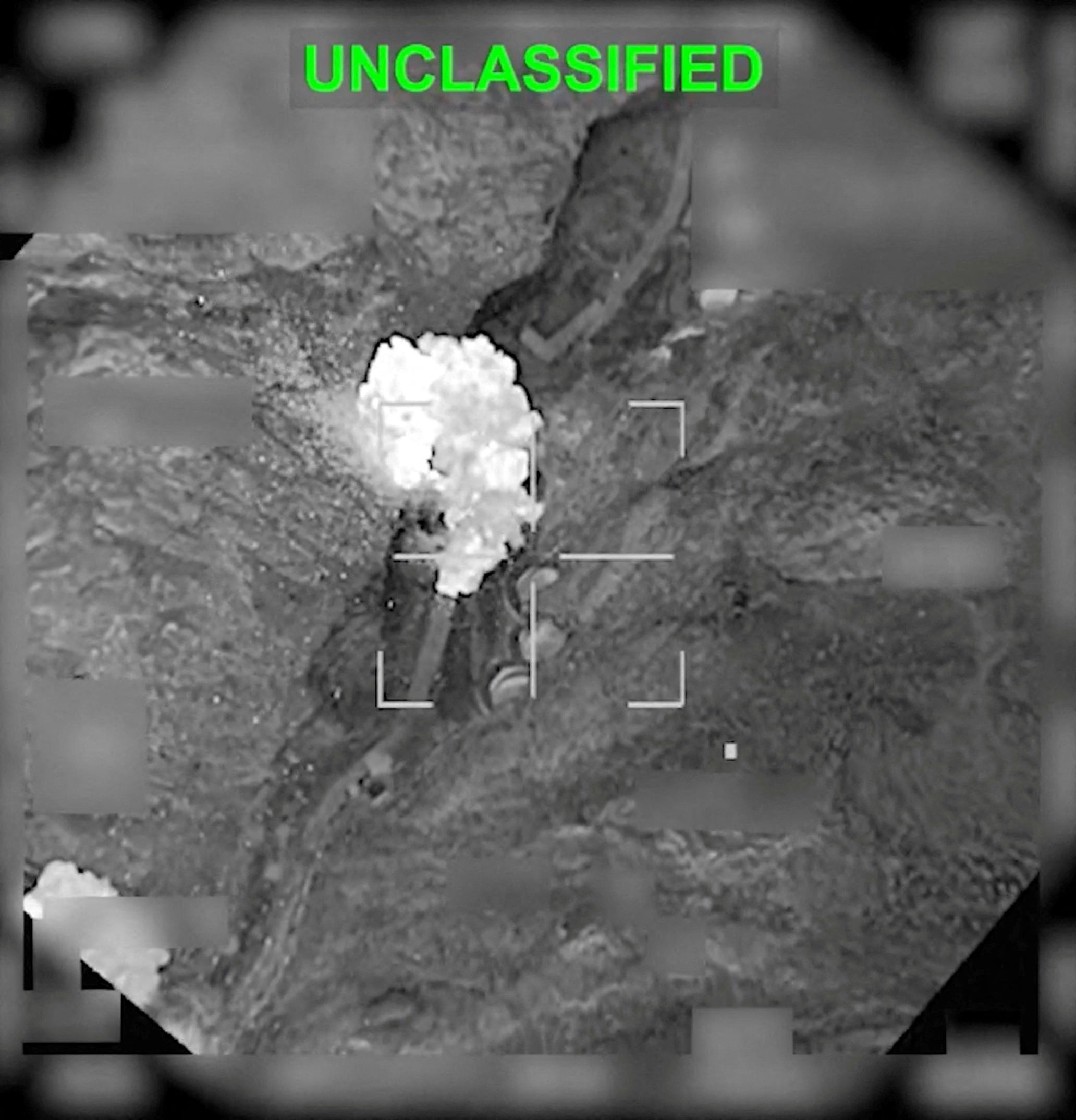
In the last few days, the military tension has turned into direct action. Iran launched missiles at United States and United Kingdom military bases located in the Indian Ocean. At the same time, the U.S. has started moving thousands of Marines into the Middle East to prepare for potential combat. The Strait of Hormuz, which connects the Persian Gulf to the rest of the world's oceans, remains closed to most traffic. This has created a bottleneck for global shipping that is causing panic in financial markets.
Important Numbers and Facts
The missiles used by Iran in recent attacks have a range of 4,000 kilometers. This is nearly double the distance that Western intelligence agencies previously estimated. This means Iran can now reach targets much further than before. In response to the shipping blockade, President Donald Trump has issued a strict 48-hour deadline for Iran to reopen the Strait of Hormuz. If the deadline is missed, the U.S. has threatened to destroy Iran's entire electrical grid, leaving the country without power. There are also active discussions in Washington about sending ground troops directly into Iranian territory.
Background and Context
To understand why this matters, it is important to know about the Strait of Hormuz. It is a narrow stretch of water that serves as the only way for oil tankers to leave the Persian Gulf. About one-fifth of the world's oil passes through this point. For years, Iran has threatened to close this path if it felt attacked or pressured by other countries. Now that the threat has become a reality, the economic consequences are being felt worldwide. This conflict is not just about two countries; it involves the energy security of many nations that rely on oil from this region.
Public or Industry Reaction
The reaction from military leaders has been very firm. Israel’s Defense Minister, Israel Katz, has stated that his country will move forward with even more aggressive bombing campaigns. He believes that strong force is the only way to stop Iran's military growth. Meanwhile, in the United States, the government is debating the risks of a full-scale ground invasion. Some leaders worry that sending troops into Iran could lead to a long and costly war, while others argue that it is necessary to stop the missile attacks and reopen the shipping lanes.
What This Means Going Forward
The next 48 hours are critical for the region. If Iran does not open the Strait of Hormuz, the U.S. may follow through on its threat to attack the country's infrastructure. A total loss of electricity would cause a humanitarian crisis within Iran and likely lead to even more fighting. There is also the risk that other countries in the region could be pulled into the war. If ground troops are sent in, the conflict could last for years and change the map of the Middle East. Diplomacy seems to be failing as both sides move closer to a total war.
Final Take
The situation has moved past simple threats and into a stage of active, high-stakes combat. With new missile technology and a major shipping route blocked, the world is watching a crisis that could affect everyone's daily life. The coming days will decide if this remains a regional fight or turns into a global disaster. The window for a peaceful solution is almost gone.
Frequently Asked Questions
Why is the Strait of Hormuz so important?
It is a vital waterway where a large portion of the world's oil supply is transported. If it is closed, oil cannot reach international markets, causing prices to go up everywhere.
How far can Iran's new missiles travel?
Recent attacks showed that Iran's missiles can now travel 4,000 kilometers. This is twice as far as people previously thought and allows them to hit bases deep in the Indian Ocean.
What is the 48-hour deadline?
President Trump gave Iran 48 hours to reopen the shipping lanes. If they do not, the U.S. has threatened to attack Iran's power plants and potentially send in ground soldiers.