
Summary
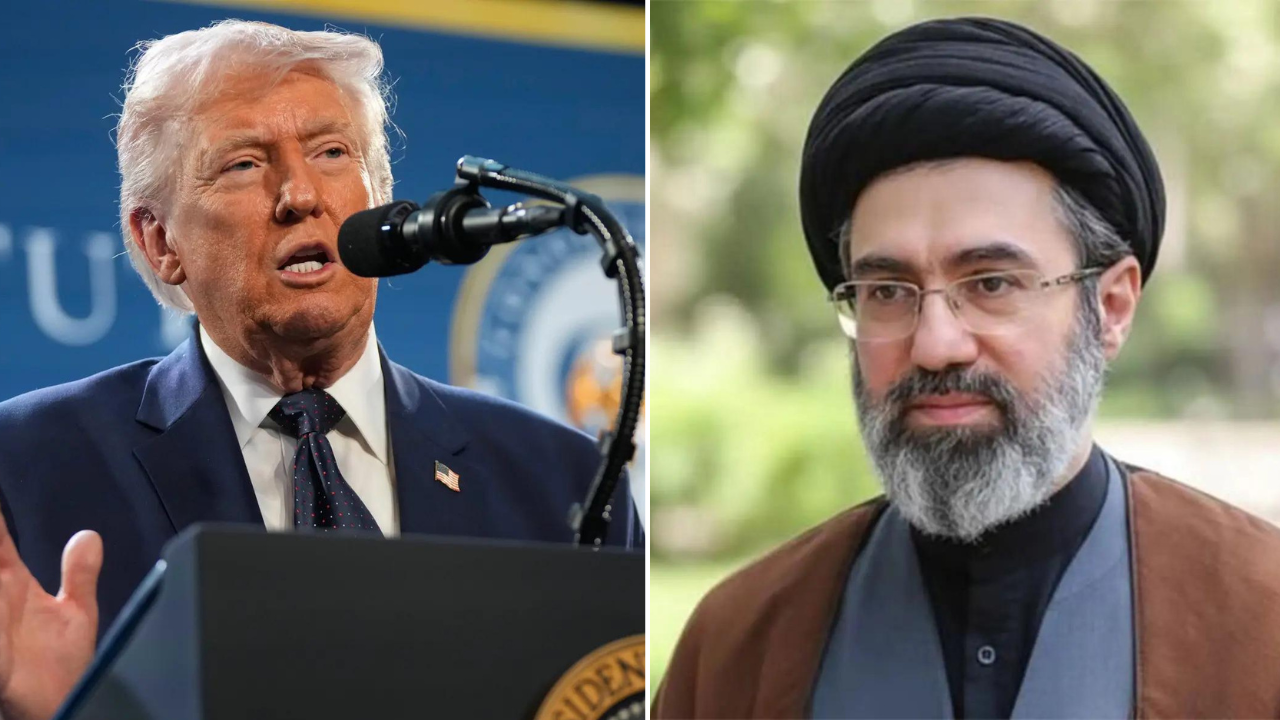
Iran and the United States have reached an agreement for a two-week ceasefire following a month of intense military conflict. Iran’s Supreme Leader, Mojtaba Khamenei, officially ordered the pause in fighting but warned that this does not mean the war is over. The temporary stop comes after strong warnings from the U.S. government and includes specific conditions from Tehran regarding economic sanctions and nuclear activity. This short break provides a small window for diplomatic talks to prevent a larger war.
Main Impact
The most immediate impact of this announcement is a temporary halt to active military strikes between the two nations. For the next 14 days, both sides have agreed to stop attacks, which offers a brief period of safety for people in the region. However, the tone from the Iranian leadership remains very firm. By stating that this is "not the end of the war," Mojtaba Khamenei is signaling that Iran is ready to resume fighting if their specific demands are not met during this two-week window.
Key Details
What Happened
After four weeks of direct conflict, the Iranian government decided to accept a 14-day ceasefire. This decision was influenced by a series of stern warnings from U.S. President Donald Trump, who has taken a hard line against Tehran. The ceasefire is intended to give both sides time to discuss a more permanent solution, though the trust between the two countries remains very low. Iran has made it clear that they are only pausing their military actions to see if the U.S. will meet their list of requirements.
Important Numbers and Facts
The conflict lasted for exactly one month before this agreement was reached. The ceasefire is set to last for 14 days, starting immediately. Iran has laid out three major conditions for a long-term peace deal. First, they are asking for the removal of economic sanctions that have limited their ability to trade with other countries. Second, they are demanding financial compensation for the damages caused during the recent fighting. Third, Iran has pledged that they will not try to build or obtain nuclear weapons, but only if the first two conditions are fully satisfied by the United States.
Background and Context
To understand why this matters, it is important to look at the history between the U.S. and Iran. For many years, the two countries have argued over Iran's nuclear program and its influence in the Middle East. The U.S. has placed many "sanctions" on Iran. Sanctions are rules that stop a country from selling its goods, like oil, or using global banks. These rules have made the Iranian economy very weak. The recent month of fighting was a major escalation of these long-standing tensions. This is also one of the first major international tests for Mojtaba Khamenei since he took a leading role in Iran's government.
Public or Industry Reaction
Global markets and international leaders have reacted with a mix of relief and caution. Oil prices, which often go up during conflict in the Middle East, showed signs of stabilizing after the news of the ceasefire. However, many political experts are worried about the short timeframe. Two weeks is a very short time to solve problems that have existed for decades. Some critics believe that Iran is simply using this time to regroup its military forces, while others hope it is a genuine step toward preventing a much larger global crisis.
What This Means Going Forward
The next 14 days will be a critical time for global safety. Diplomats from both sides are expected to meet to discuss the removal of sanctions and the requested financial payments. If the U.S. refuses to offer any sanctions relief, it is highly likely that the fighting will start again once the two weeks are up. The promise regarding nuclear weapons is a major talking point. If Iran truly stops its nuclear program in exchange for economic help, it could change the entire balance of power in the region. However, if the talks fail, the risk of a full-scale war remains very high.
Final Take
This ceasefire is a fragile moment of peace in a very dangerous situation. While the pause in fighting is good news for the short term, the aggressive language from Iran’s leadership shows that the underlying problems are far from solved. The world is now waiting to see if the U.S. and Iran can move from a temporary break in fighting to a real, lasting agreement. Without significant changes to sanctions and a clear path forward on the nuclear issue, this two-week pause may only be a brief rest before the conflict returns.
Frequently Asked Questions
How long will the ceasefire last?
The current agreement is for a two-week period, which is 14 days. After this time, both sides will decide whether to extend the peace or return to conflict.
What does Iran want in exchange for peace?
Iran is asking for the removal of economic sanctions and financial compensation for damages. They also said they would promise not to pursue nuclear weapons if these terms are met.
Why did the ceasefire happen now?
The ceasefire follows a month of fighting and a strong warning from U.S. President Donald Trump. It appears both sides wanted a temporary pause to discuss their options and avoid a larger war.

