
Summary
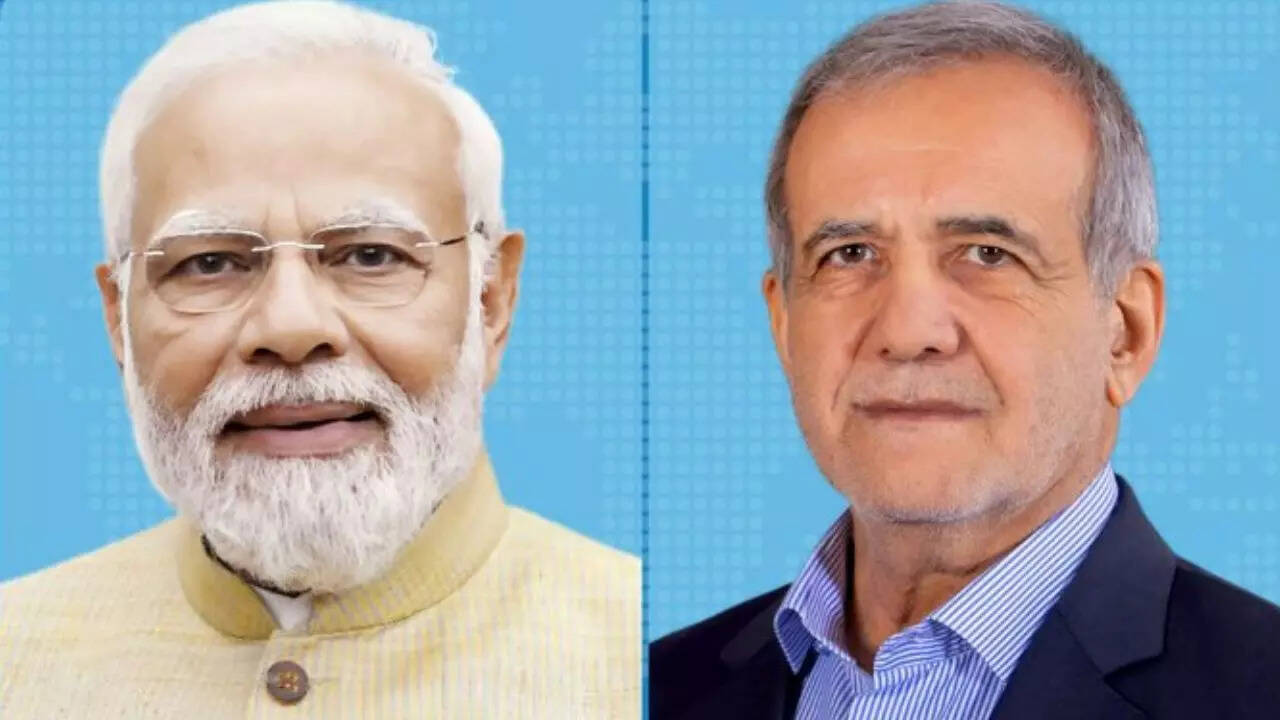
Iranian President Masoud Pezeshkian recently held a significant phone call with Indian Prime Minister Narendra Modi to discuss the growing conflict in the Middle East. During the talk, the Iranian leader asked India, which currently holds the chair for the BRICS group, to help stop military actions against his country. Pezeshkian stated that Iran did not start the current war and is looking for a way to end the violence. Prime Minister Modi shared his concerns about the safety of energy systems and called for all sides to use talk and peace to solve their problems.
Main Impact
This high-level discussion marks a major attempt by Iran to find diplomatic support outside of Western nations. By reaching out to India, Iran is hoping that the BRICS group can act as a neutral power to calm the situation. The main impact of this call is the pressure it puts on India to balance its friendships. India has strong ties with both Iran and Israel, as well as the United States. If India uses its role in BRICS to intervene, it could change how the international community handles the tension in the Middle East and might help prevent a larger regional war.
Key Details
What Happened
The conversation focused on the recent military strikes and the rising heat between Iran and its neighbors. President Pezeshkian told PM Modi that Iran has been the target of "unlawful attacks" by Israel and the United States. He argued that Iran is acting in self-defense and has no desire to keep the fighting going. A major part of his message was that Iran is not trying to create nuclear weapons, a claim that has been a point of worry for many countries for a long time. He urged India to use its leadership position to bring a sense of fairness to the global response.
Important Numbers and Facts
India is the current chair of BRICS, a group that includes Brazil, Russia, India, China, and South Africa, along with several new members. This group represents a large portion of the world's population and economy. During the call, PM Modi specifically mentioned the danger to energy infrastructure. This is a major concern because the Middle East provides a huge amount of the world's oil and gas. Any damage to these systems could cause fuel prices to jump globally, affecting millions of people. The leaders agreed that keeping these trade routes and power systems safe is a top priority for everyone involved.
Background and Context
To understand why this call matters, it is important to look at the history of the region. For years, Iran and Israel have been in a "shadow war," often attacking each other through other groups or secret missions. Recently, this has turned into more direct military action. India finds itself in a tricky spot. It needs Iranian oil and uses Iranian ports to trade with Central Asia. At the same time, India has a very close security and technology partnership with Israel. Because India is seen as a friend to many different sides, other leaders often look to New Delhi to help mediate when things get dangerous.
Public or Industry Reaction
The global energy market has been watching these developments very closely. Oil traders are nervous that any further attacks on Iranian or regional energy sites could lead to a shortage. Political experts say that Pezeshkian’s move to call Modi shows that Iran feels it cannot rely on the United Nations alone to stop the fighting. Many people in the "Global South"—a term for developing nations—are watching to see if BRICS can actually provide a different way to handle global peace compared to the traditional power held by Western countries like the US and the UK.
What This Means Going Forward
In the coming weeks, the world will look to see if India makes a formal statement through the BRICS group. If the group decides to take a stand, it could lead to new peace talks or a ceasefire. However, there are risks. If India leans too much toward Iran, it might upset its relationship with the United States. The next steps will likely involve more quiet meetings between diplomats. The goal will be to find a way for both Iran and Israel to stop the attacks without losing face. For the average person, the hope is that these talks will keep energy prices stable and prevent the conflict from spreading to other countries.
Final Take
The call between President Pezeshkian and Prime Minister Modi shows that diplomacy is still active even when missiles are flying. Iran is clearly looking for a way out of the current cycle of violence by using India’s growing influence on the world stage. While India remains focused on peace and the safety of global trade, its role as the BRICS chair gives it a new kind of power. Whether this power can actually stop a war remains to be seen, but the conversation itself is a step toward a non-military solution.
Frequently Asked Questions
Why did Iran call India specifically?
Iran called India because India is currently the chair of BRICS. Iran believes that this group of nations can act independently of Western influence to help stop military aggression in the Middle East.
What is India's main concern in this conflict?
India is mostly concerned about regional stability and the safety of energy infrastructure. Damage to oil and gas systems in the Middle East would hurt India's economy and cause prices to rise for its citizens.
Does Iran want to build nuclear weapons?
In this call, President Pezeshkian told PM Modi that Iran is against nuclear weapons and is not trying to build them. This is a statement meant to calm international fears about Iran's nuclear program.



