Summary
Iran has carried out a fresh attack on a cargo ship in the Strait of Hormuz, a vital waterway for global trade. This incident occurred on Wednesday, just hours after U.S. President Donald Trump announced he would extend a ceasefire with the country. The attack creates new tension as the U.S. continues to maintain a naval blockade in the region while trying to negotiate a peace deal. This move by Iran suggests that the temporary pause in fighting is extremely fragile and could end at any moment.
Main Impact
The primary impact of this attack is the immediate threat to international shipping and the global economy. The Strait of Hormuz is the most important path for oil transport in the world, and any violence there causes energy prices to rise. Furthermore, the attack shows a clear breakdown in communication between Washington and Tehran. While the U.S. is calling for talks, Iran is showing that it is willing to use force to challenge the ongoing naval blockade. This makes a long-term peace agreement much harder to reach.
Key Details
What Happened
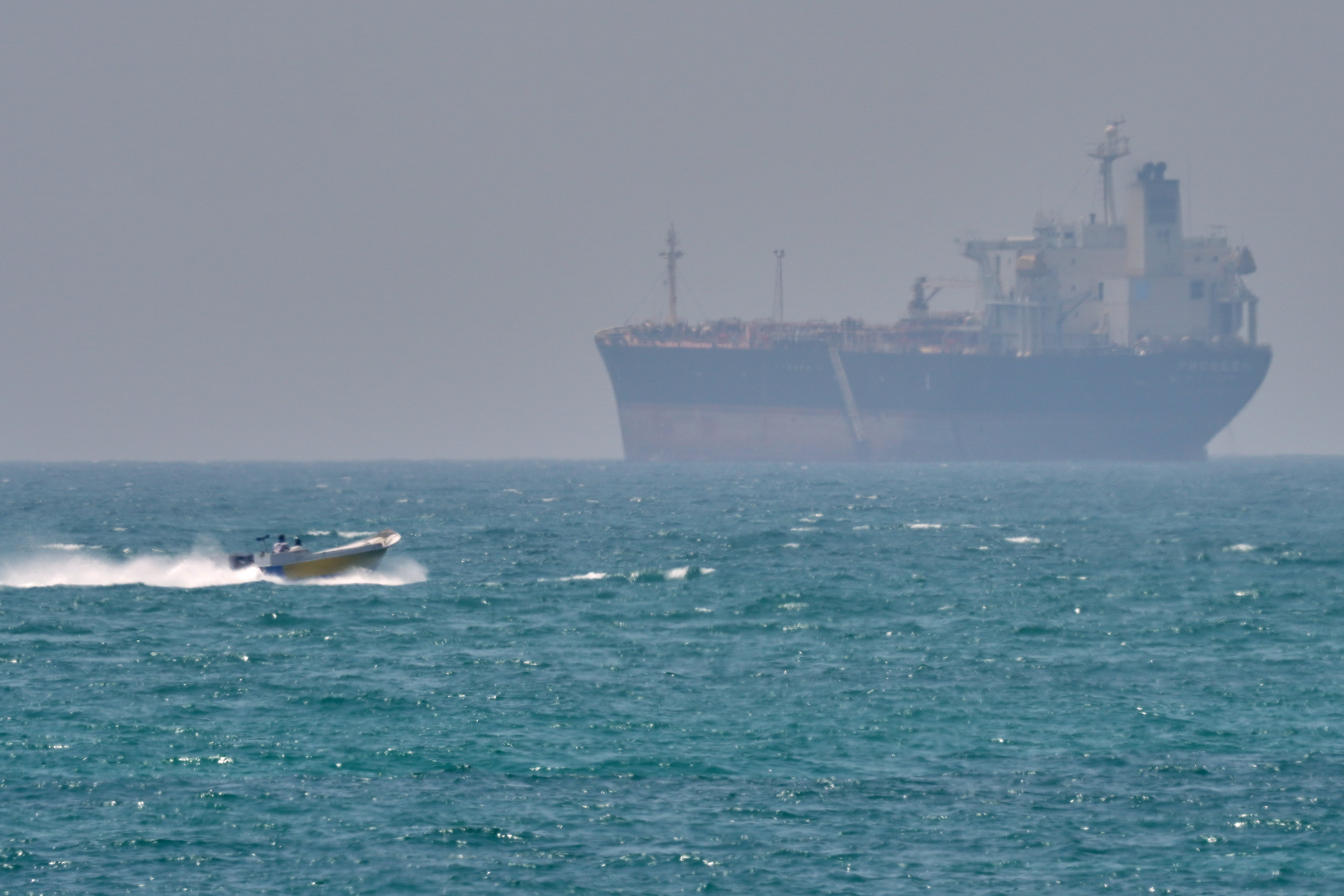
On Wednesday morning, the United Kingdom Maritime Trade Operations (UKMTO) reported that shots were fired at a container ship. The vessel was located about 15 nautical miles northeast of Oman. Shortly after this report, a second incident was noted only 8 nautical miles off the coast of Iran. While the details of the second event are still coming in, the proximity to Iranian waters points toward the involvement of local forces. These actions happened despite the U.S. government’s public attempt to keep the peace through a ceasefire extension.
Important Numbers and Facts
The first attack took place 15 miles from Oman, while the second occurred roughly 15 kilometers (8 miles) west of Iran. These events followed a post by President Trump on his social media platform, Truth Social, where he stated that the ceasefire would stay in place until Iran presents a new proposal for negotiations. However, the U.S. military is not leaving the area; the naval blockade remains fully active. The Iranian Revolutionary Guard responded by stating they are "prepared to face any new aggression" and warned of "crushing blows" against their enemies if the situation gets worse.
Background and Context
The conflict between the United States, Israel, and Iran has been growing for a long time. The Strait of Hormuz is a narrow body of water that connects the Persian Gulf to the open ocean. Because so much of the world's oil travels through this small area, it is a major point of conflict. The U.S. has used its navy to block Iranian ships, which Iran views as an act of war. The current ceasefire was meant to give both sides time to talk, but the U.S. refusal to lift the blockade has kept the pressure high. Iran feels that a ceasefire with a blockade is not a true peace, leading to these types of military responses.
Public or Industry Reaction
The shipping industry is on high alert following these reports. Maritime security groups have warned captains to be extra careful when moving through the Strait. In Iran, the state-run Mehr news agency has been sharing messages from military leaders that sound very aggressive. These leaders claim they are ready to defend their territory and will not be intimidated by the U.S. presence. Meanwhile, political observers in the U.S. are divided. Some believe the blockade is necessary to force Iran to talk, while others fear it will only lead to more ship attacks and eventually a full-scale war.
What This Means Going Forward
The next few days will be critical for the region. If Iran continues to target commercial ships, President Trump may decide to end the ceasefire and resume military strikes. On the other hand, if negotiations actually begin, there might be a chance to lower the tension. However, the "deadlock" remains: the U.S. wants a proposal before lifting the blockade, and Iran wants the blockade lifted before they stop their military actions. This cycle of violence makes it very difficult for diplomatic teams to find a middle ground. The risk of a mistake leading to a larger battle is now higher than it was just a day ago.
Final Take
The attack in the Strait of Hormuz proves that a ceasefire on paper does not always mean peace on the water. As long as the naval blockade continues and ships are being fired upon, the threat of a major war remains. True stability will likely require more than just a pause in fighting; it will require both sides to step back from the world's most important oil route.
Frequently Asked Questions
What is the Strait of Hormuz?
It is a narrow and very important waterway between the Persian Gulf and the Gulf of Oman. It is the main route for oil being shipped from the Middle East to the rest of the world.
Why did Iran attack the ship during a ceasefire?
Iran is unhappy that the U.S. is still maintaining a naval blockade. They likely see the attack as a way to show that they can still cause trouble if the blockade is not removed.
Will the U.S. respond to this attack?
President Trump has said he wants to negotiate, but he also keeps the military ready. If the attacks continue, the U.S. might use its navy or air force to strike back, which would end the ceasefire.