Summary
The Iranian Foreign Minister, Abbas Araqchi, has finished his visit to Islamabad and left the country without meeting with United States officials. This move comes at a time of high tension as the conflict involving the U.S., Israel, and Iran continues to affect the region. While the White House expected to restart peace talks in Pakistan, the Iranian side chose to focus only on local diplomatic meetings before departing. This missed connection highlights the deep difficulties in bringing both sides to the same table to discuss a ceasefire.
Main Impact
The decision by the Iranian delegation to leave before the American envoys arrived is a significant blow to immediate peace efforts. It shows a clear gap between what the United States expects and what Iran is willing to do right now. By avoiding a direct meeting, Iran is signaling that it is not yet ready to accept the terms offered by Washington. This delay means that the military actions in the region are likely to continue without a clear diplomatic solution in the near future.
Key Details
What Happened
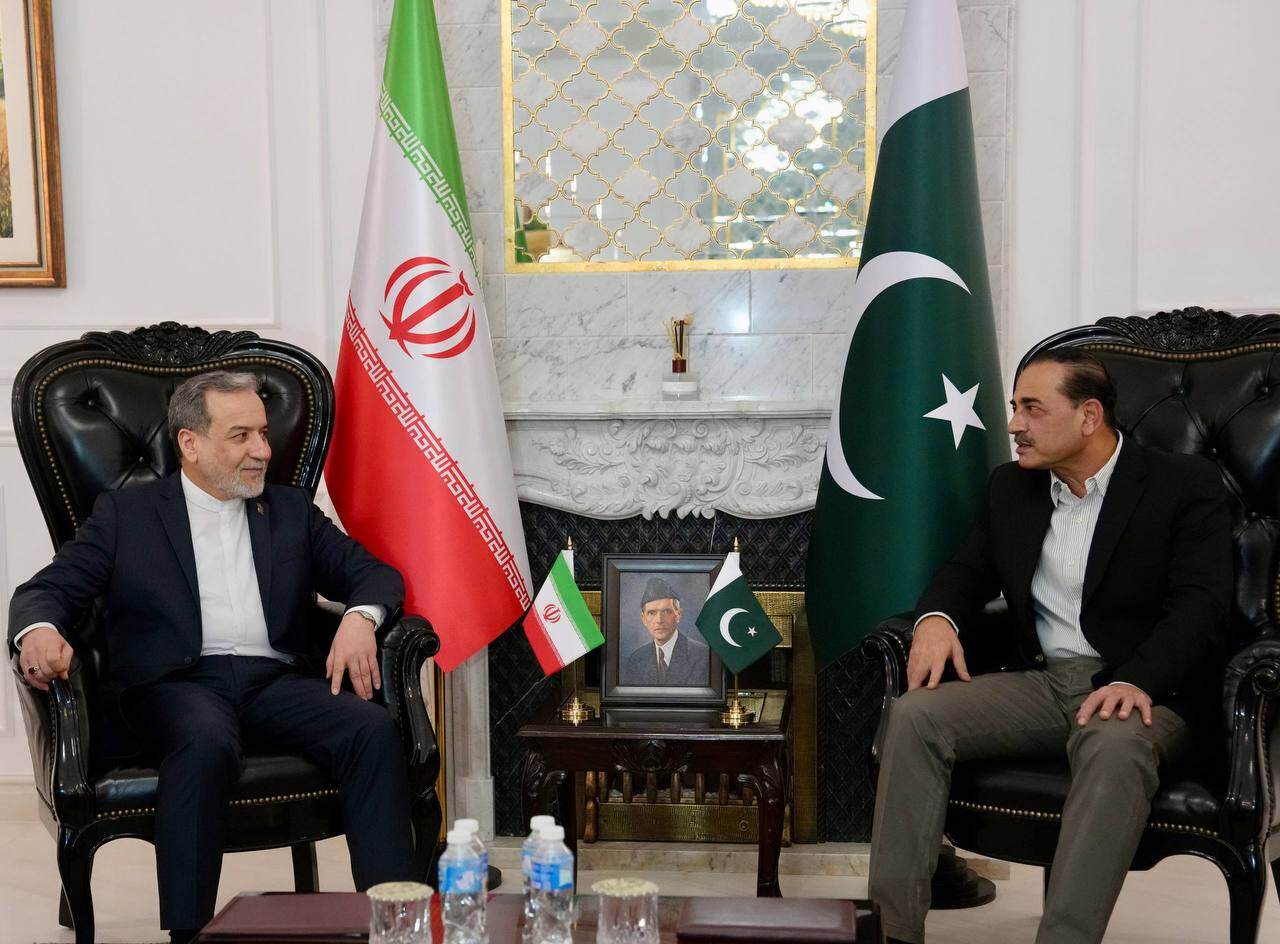
Foreign Minister Abbas Araqchi spent the day in Islamabad meeting with high-ranking Pakistani military and civilian leaders. During these talks, he shared Iran’s specific demands for peace and expressed strong doubts about the requests made by the United States. Despite the White House announcing that a special team was on its way to meet him, Araqchi left the city shortly after his scheduled meetings with Pakistani officials ended. He stated that his trip was part of a pre-planned tour of several countries and was never intended to include a meeting with the American team.
Important Numbers and Facts
The United States sent a high-level delegation including Steve Witkoff and Jared Kushner to lead the negotiations. Their trip was officially confirmed by White House spokesperson Karoline Leavitt just one day before they were set to arrive. The Iranian minister focused his time on talking with the head of the Pakistani Army, which is a key power in the region. These events took place on April 25, 2026, during a period of intense international pressure to stop the ongoing war.
Background and Context
The conflict between Israel and Iran has grown into a larger crisis involving the United States. For months, there have been efforts to find a way to stop the fighting. Pakistan has often served as a neutral ground where different sides can talk because it maintains relationships with both Western powers and its neighbor, Iran. The U.S. government hoped that by sending well-known envoys like Kushner and Witkoff, they could convince Iran to agree to a new set of peace terms. However, the relationship between Washington and Tehran remains filled with mistrust, making even simple meetings very hard to organize.
Public or Industry Reaction
International observers are watching these events closely. Many diplomatic experts believe that Iran’s refusal to stay for the meeting is a calculated move to show strength. By leaving early, they avoid looking like they are giving in to American pressure. On the other hand, the U.S. administration appears to be pushing for a quick win in diplomacy, which may be why they announced the meeting before it was fully confirmed by both sides. Local leaders in Pakistan have expressed a desire for peace but find themselves in a difficult spot as they try to host two sides that will not speak to each other directly.
What This Means Going Forward
The immediate future looks uncertain for peace talks. Since this attempt in Islamabad did not result in a meeting, the focus may shift to other neutral countries like Qatar or Oman. The U.S. will likely continue to use economic and political pressure to bring Iran back to the negotiation table. Meanwhile, Iran is expected to continue its diplomatic tour to build support from other regional neighbors. If a direct line of communication is not established soon, the risk of the conflict spreading further remains a major concern for the global community.
Final Take
Peace cannot happen if the two main parties are not in the same room. The fact that the Iranian Foreign Minister left Pakistan just as the American team was arriving shows that the path to a ceasefire is still blocked by pride and deep political differences. For now, the world must wait to see if another country can successfully bring these two sides together or if the fighting will move into an even more dangerous phase.
Frequently Asked Questions
Why did the Iranian Foreign Minister leave without meeting the US team?
Abbas Araqchi stated that his visit to Pakistan was part of a regional tour and that he had no plans to meet with the American envoys. He chose to focus on talks with Pakistani leaders instead.
Who were the US envoys sent to Pakistan?
The White House sent Steve Witkoff and Jared Kushner to Islamabad. They were tasked with representing the United States in potential peace negotiations with Iran.
What is Pakistan's role in these negotiations?
Pakistan acts as a middleman because it has a shared border with Iran and maintains diplomatic ties with the United States. It provides a neutral location where both sides can potentially meet to discuss ending the conflict.