
Summary
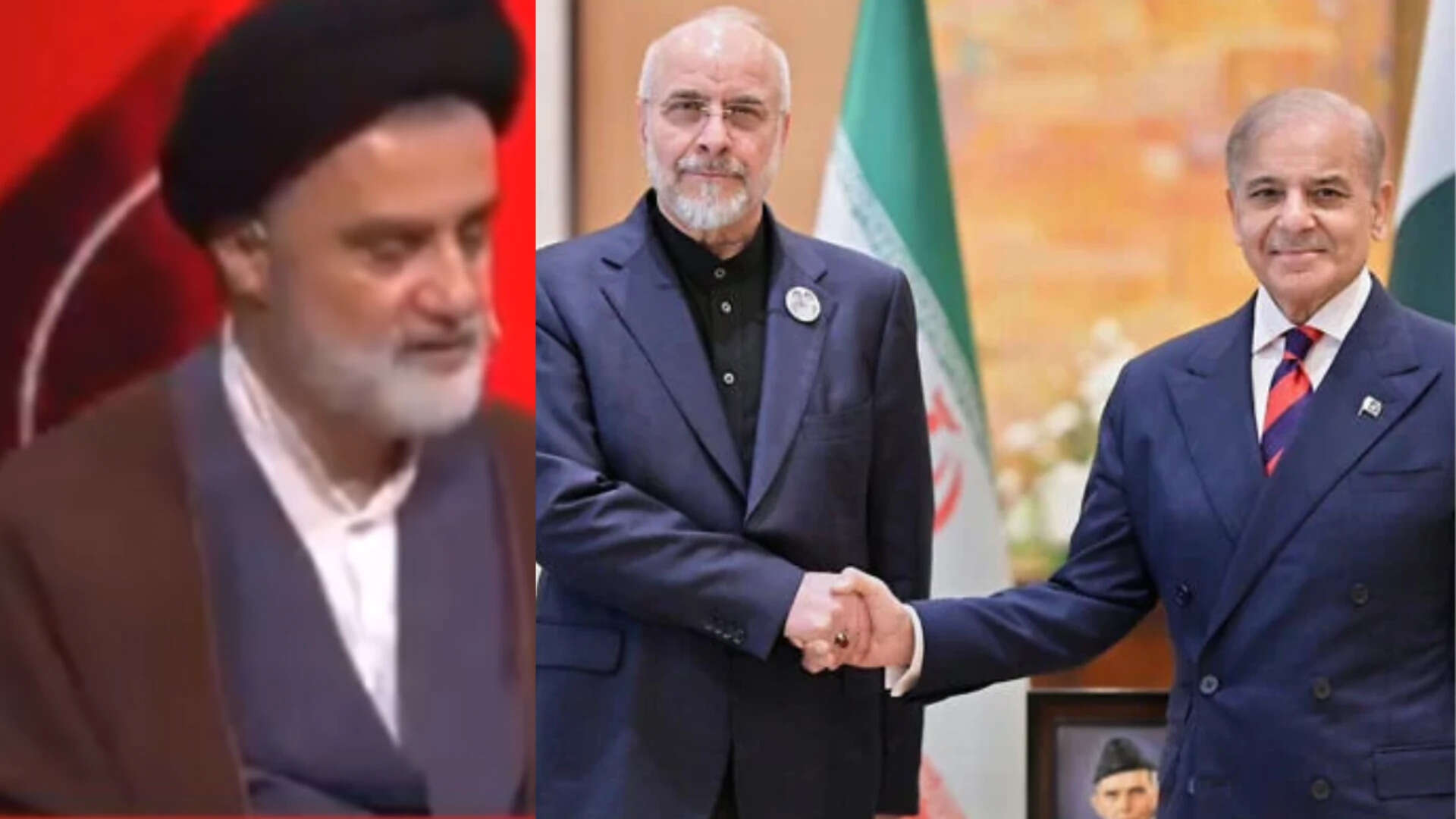
A prominent member of the Iranian Parliament has publicly criticized recent diplomatic talks held in Pakistan, calling the discussions a major strategic error. The lawmaker argued that discussing Iran's nuclear program in that setting weakened the country’s position in international negotiations. During these meetings, the United States reportedly demanded that Iran stop its enriched uranium activities for 20 years, a proposal that Iranian officials flatly rejected. This development highlights the growing tension and internal debate within Iran over how to handle its nuclear future.
Main Impact
The main impact of this admission is a clear sign of disagreement within the Iranian government. By calling the talks a "tactical blunder," the lawmaker is signaling to the world that Iran may take a tougher stance in future meetings. This makes it harder for international mediators to find common ground. The rejection of the 20-year freeze also means that the nuclear standoff between Iran and the West will likely continue, keeping regional tensions high and economic sanctions in place.
Key Details
What Happened
The situation came to light after a series of diplomatic meetings took place in Pakistan. While these talks were meant to address various regional issues, the topic of Iran's nuclear program became a central point of discussion. An Iranian Member of Parliament (MP) later spoke out against the decision to include nuclear topics on the agenda. He stated that by engaging in these talks, Iran gave the impression that it was willing to give up too much, which hurt its power at the bargaining table.
Important Numbers and Facts
The most striking detail from the report is the specific demand made by the United States. The U.S. asked Iran to agree to a 20-year suspension of all activities related to enriched uranium. Enriched uranium is a sensitive material because it can be used for both civilian power plants and the creation of nuclear weapons. Iran is currently enriching uranium at levels that far exceed what is needed for basic energy production. The Iranian government viewed the 20-year demand as far too long and a threat to their national interests, leading to an immediate refusal.
Background and Context
To understand why this matters, it is important to look at the history of nuclear talks. For years, Iran has been at odds with Western nations, particularly the United States, over its nuclear ambitions. In 2015, a major agreement was reached to limit Iran's nuclear work in exchange for lifting economic sanctions. However, the U.S. left that deal in 2018, and since then, Iran has slowly restarted and expanded its nuclear activities.
Pakistan has often served as a location for these types of high-level meetings because it maintains diplomatic ties with both Iran and Western powers. However, the Iranian MP’s comments suggest that some leaders in Tehran believe that holding such sensitive talks in a third-party country like Pakistan was a mistake that did not favor Iran's goals.
Public or Industry Reaction
The reaction within Iran has been mixed. Some political groups believe that any dialogue is good if it leads to the removal of sanctions that have hurt the Iranian economy. They argue that the people are suffering and that a deal is necessary to bring back trade and stability. On the other hand, hardline politicians and some military leaders believe that the West cannot be trusted. They view any demand to stop uranium enrichment as an attack on Iran's sovereignty. The MP's recent comments reflect this more aggressive viewpoint, suggesting that Iran should only negotiate from a position of absolute strength.
What This Means Going Forward
Looking ahead, the path to a new nuclear agreement seems more difficult than ever. The rejection of the 20-year freeze shows that Iran is not ready to accept long-term restrictions on its technology. This could lead to the U.S. and its allies imposing even stricter sanctions or taking other diplomatic actions to pressure Tehran. There is also the risk that Iran will continue to increase its enrichment levels, which could lead to a more serious conflict in the Middle East. Future talks will likely require a new approach if both sides hope to reach a lasting solution.
Final Take
The admission of a "strategic mistake" by an Iranian official shows the high stakes involved in nuclear diplomacy. It reveals a government that is cautious about looking weak and a Western power that is pushing for long-term control over nuclear materials. As both sides remain firm in their positions, the international community must wait to see if a new round of talks can bridge the gap or if the divide will only grow wider.
Frequently Asked Questions
Why did the Iranian MP call the talks a mistake?
The MP believed that discussing the nuclear program in Pakistan weakened Iran's negotiating power and made the country look like it was willing to accept unfair terms.
What did the United States demand during the talks?
The U.S. asked Iran to stop all enriched uranium activities for a period of 20 years, which Iran refused to do.
Why is enriched uranium so important in these talks?
Enriched uranium is a key component for nuclear energy, but at high levels, it can also be used to build nuclear weapons. This makes it the most controversial part of Iran's nuclear program.

