Summary
Iran has launched a major missile attack against Israel, marking one of the largest strikes in recent weeks. While the military situation intensifies, political confusion is growing due to conflicting reports about a possible end to the fighting. President Donald Trump claims that Iran has asked for a ceasefire, but officials in Tehran have quickly denied these statements. This escalation comes at a time when the United States is reconsidering its role in international alliances and its military presence in the Middle East.
Main Impact
The conflict is no longer limited to just two countries and is now affecting the entire region. Recent attacks have hit targets in Kuwait, Qatar, the United Arab Emirates, and Bahrain, showing that the war is spreading to neighboring nations. This expansion puts global trade at risk, especially through the Strait of Hormuz, which is a vital path for the world's oil supply. If this waterway remains blocked or dangerous, energy prices could rise everywhere, affecting millions of people who are not directly involved in the war.
Key Details
What Happened
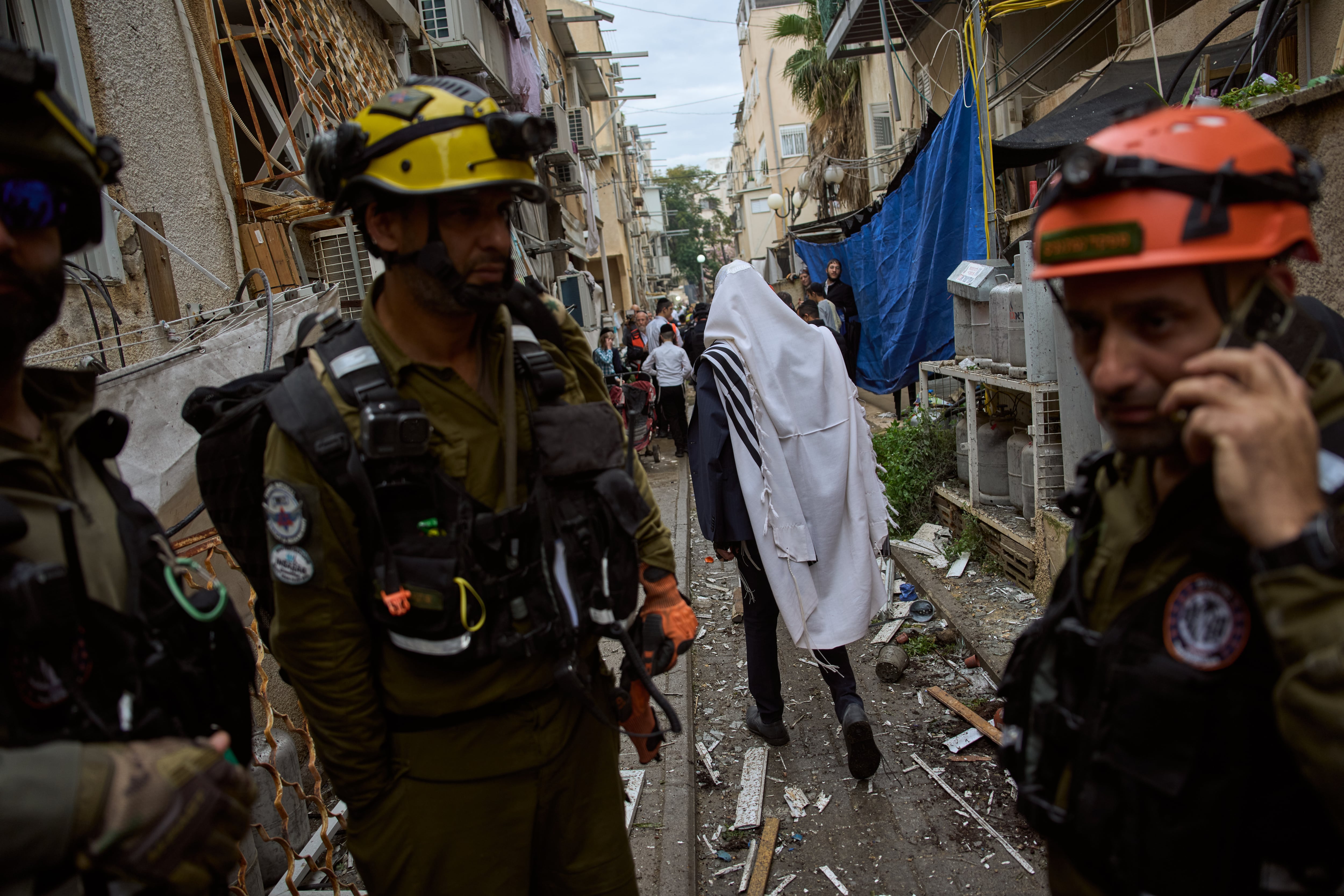
Iran fired approximately 10 missiles toward Israel in a fresh wave of attacks. This is the most significant move by the Iranian military since the early stages of the current conflict. In response, Israel carried out air strikes on Tehran and Beirut. The strike in Beirut was particularly deadly, resulting in the deaths of at least nine people. Beyond these primary targets, Iran has also aimed at infrastructure in nearby countries, including the airport in Kuwait and various sites in Qatar and the UAE.
Important Numbers and Facts
The current situation involves several critical figures and dates that define the scale of the crisis. Military reports confirm that 10 missiles were used in the latest Iranian wave. On the diplomatic side, President Trump announced that U.S. troops could leave the conflict zone within two to three weeks. This timeline is much faster than many experts expected. Additionally, the British government is moving quickly to address the maritime crisis, with Prime Minister Keir Starmer calling for an emergency international summit to discuss the reopening of the Strait of Hormuz.
Background and Context
To understand why this is happening, it is important to look at the role of the Strait of Hormuz. This narrow stretch of water is the only way for oil tankers to leave the Persian Gulf. When the U.S. or Israel enters a conflict with Iran, this waterway often becomes a tool for political pressure. President Trump has stated that he will only consider a ceasefire if the strait is "open, free, and clear." This shows that the economy and energy security are just as important in this war as the military actions on the ground.
Another layer of this story is the tension between the United States and its long-term allies. For decades, the U.S. has been a leading member of NATO, a group of countries that promise to protect each other. However, President Trump has expressed frustration because many NATO members do not want to help the U.S. in its fight against Iran. This disagreement has led to a serious discussion about whether the U.S. should stay in the alliance at all.
Public or Industry Reaction
The reaction from the international community has been a mix of confusion and worry. Iran’s government was very quick to call President Trump’s claims about a ceasefire "false and unfounded." This suggests that there is no clear communication between the two sides, making a peaceful solution harder to find. Meanwhile, leaders in Europe and the UK are focused on the economic fallout. Prime Minister Keir Starmer’s push for a summit shows that European nations are deeply concerned about how a long-term closure of trade routes will hurt their own economies.
What This Means Going Forward
The next few days will be critical for the region and the world. President Trump is scheduled to give a televised speech on Wednesday night, which will likely provide more details on his plan to withdraw troops. If the U.S. actually pulls its forces out in the next three weeks, it will leave a power vacuum that could lead to more fighting or allow other countries to take control. Furthermore, the threat of the U.S. leaving NATO could change how countries defend themselves in the future. If the U.S. stops supporting its allies, those nations may have to find new ways to stay safe, which could lead to a very different global political map.
Final Take
The war has reached a point where military strikes and political threats are happening at the same time. While missiles fall on cities, the bigger battle is being fought over trade routes and international alliances. The world is now waiting to see if the U.S. will truly step back from the region and how that choice will change the balance of power in the Middle East and beyond.
Frequently Asked Questions
Why is the Strait of Hormuz so important?
It is a narrow waterway that connects oil-producing countries in the Middle East to the rest of the world. A large portion of the world's oil passes through it, so any closure can cause global fuel prices to go up.
Is the United States leaving NATO?
President Trump has mentioned he is considering it because he feels other NATO members are not supporting the U.S. campaign against Iran. However, no official move to leave the alliance has been made yet.
Has a ceasefire been agreed upon?
No. While President Trump claimed that Iran asked for a ceasefire, Iran has officially denied this, calling the claim false. The fighting continues on multiple fronts.