Summary
Iran has significantly expanded its military operations by attacking commercial ships in the Persian Gulf and launching drone strikes near Dubai International Airport. These actions come as a response to ongoing airstrikes from the United States and Israel against Iranian targets. The escalation has caused major disruptions to global shipping and raised serious concerns about the stability of the world's energy supply. As the conflict grows, international leaders are working to prevent a total shutdown of vital trade routes.
Main Impact
The most immediate impact of these attacks is the threat to global travel and the economy. By targeting Dubai International Airport, the world’s busiest hub for international passengers, Iran has shown that civilian travel is no longer outside the zone of conflict. Furthermore, the near-total halt of shipping through the Strait of Hormuz has sent oil prices climbing. Since about twenty percent of the world's oil passes through this narrow waterway, any long-term blockage could lead to a global energy crisis and much higher prices for consumers at the gas pump.
Key Details
What Happened
On Wednesday, two Iranian drones struck near Dubai International Airport. While the Dubai Media Office reported that four people were injured, the airport managed to keep flights running. At sea, the situation was more violent. A Thai cargo ship was hit by a projectile off the coast of Oman, causing a large fire. While twenty crew members were saved by the Omani navy, three remain missing. Additionally, Kuwait and Saudi Arabia reported that their defense systems shot down several drones aimed at their territories and oil facilities.
Important Numbers and Facts
The economic and human cost of the widening war is becoming clear through several key figures:
- Oil Prices: The price of Brent crude oil has risen by 20% since the conflict began.
- Shipping Traffic: Usually, over 100 ships pass through the Strait of Hormuz daily. Recently, that number has dropped to only seven.
- Casualties: Reports indicate that 570 people have died in Lebanon and over 1,300 in Iran. Israel has reported 12 deaths, and the U.S. military has confirmed seven soldiers killed.
- Emergency Measures: The International Energy Agency has asked members to release 400 million barrels of oil from their reserves to keep prices from spiraling out of control.
Background and Context
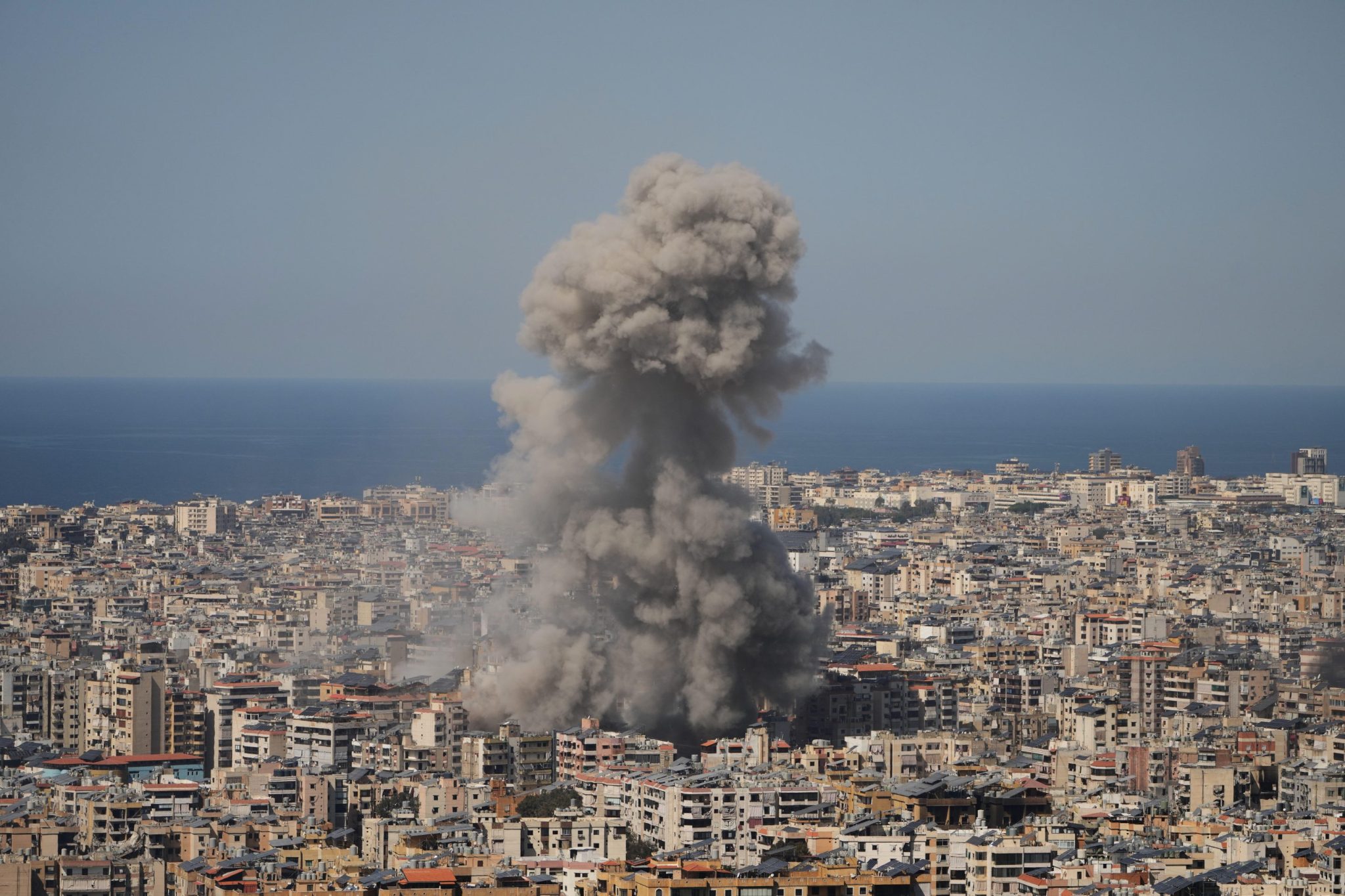
This conflict began to widen following a series of surprise attacks by the United States and Israel against Iranian military targets. Iran is now using its geographic position to fight back by targeting the world's economy. The Strait of Hormuz is a "choke point," meaning it is a narrow path that is easy to block but essential for trade. By attacking ships and threatening financial centers in Dubai and Saudi Arabia, Iran hopes to create enough economic pressure to force its enemies to stop their bombing campaigns. This strategy targets the global market rather than just military forces.
Public or Industry Reaction
The international community is reacting with alarm. The United Nations Security Council is preparing to vote on a resolution that demands Iran stop attacking its neighbors. This resolution is supported by the Gulf Cooperation Council, a group of Arab nations including Saudi Arabia and the UAE. Meanwhile, major economies like Germany, Austria, and Japan have agreed to release their emergency oil stocks. This is a rare move intended to protect businesses and families from the sudden jump in energy costs caused by the shipping disruptions.
What This Means Going Forward
The situation remains highly unpredictable. One major risk is the possibility of Iran placing mines in the Strait of Hormuz. If this happens, it could take weeks or even months to clear the water for safe travel, even after the fighting stops. There is also growing mystery surrounding Iran’s leadership. The new Supreme Leader, Mojtaba Khamenei, has not been seen in public since taking power on Monday, leading to rumors that he may have been injured in recent airstrikes. Without clear leadership, the chances of the conflict ending quickly may decrease.
Final Take
What started as a targeted military exchange has now turned into a broad crisis affecting global trade, travel, and energy. The attacks on Dubai and the Persian Gulf shipping lanes show that the consequences of this war will be felt far beyond the borders of the countries directly involved. The coming days will determine if international diplomacy can reopen the seas or if the world must prepare for a long period of economic instability.
Frequently Asked Questions
Is Dubai International Airport still open?
Yes, despite the drone attacks that occurred nearby and caused four injuries, the airport has remained operational and flights are continuing to arrive and depart.
Why are oil prices going up?
Oil prices are rising because Iran has effectively blocked the Strait of Hormuz. Since a large portion of the world's oil is moved through this area, the lack of supply is making the remaining oil more expensive.
What is the United Nations doing about the situation?
The UN Security Council is voting on a resolution that calls for an immediate end to Iran's attacks on its neighbors and commercial shipping. This is the first major diplomatic action taken since the war began in late February.