
Summary
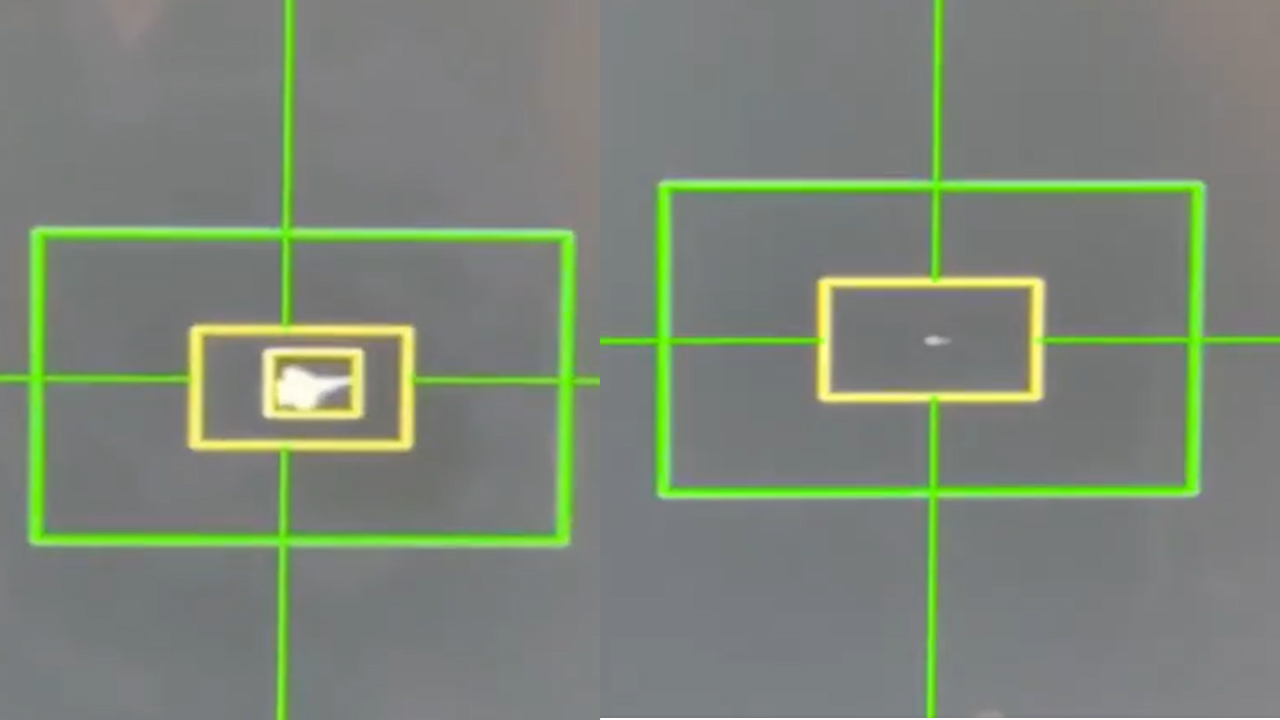
Iran has announced that its air defense forces intercepted and hit an "enemy" F-15 fighter jet near Hormuz Island. The military reportedly used ground-to-air missiles to target the aircraft after it entered a sensitive zone. This event comes at a time of high tension, following other reports of military clashes in the region. The incident highlights the growing risk of a direct conflict in one of the world's most important shipping lanes.
Main Impact
The reported strike on an F-15 jet marks a serious increase in military activity near the Strait of Hormuz. This area is a vital path for global oil supplies, and any fighting here can cause energy prices to rise quickly. If the claim is confirmed, it shows that Iran is willing to use its missile systems against advanced foreign aircraft. This move puts pressure on international forces operating in the Middle East and raises the chance of a larger military response.
Key Details
What Happened
According to Iranian state media and military sources, air defense units spotted a fighter jet flying near Hormuz Island. They identified the plane as an F-15, a type of jet commonly used by the United States and its regional partners. Iranian forces fired surface-to-air missiles, claiming they successfully struck the target. While Iran labeled the jet as belonging to an "enemy," they did not officially name a specific country in the immediate report.
Important Numbers and Facts
The incident took place in March 2026 near the strategic Hormuz Island. This follows a string of other military events reported in the last few weeks. Recently, reports surfaced that a high-tech US F-35 stealth fighter was damaged while flying over Iranian territory. Additionally, there have been claims of missile launches directed toward Diego Garcia, a major military base in the Indian Ocean. These events suggest a wider pattern of military engagement rather than a single isolated event.
Background and Context
Hormuz Island sits at the entrance of the Strait of Hormuz. This narrow stretch of water is often called a "choke point" because so much of the world's oil must pass through it to reach international markets. For years, Iran has conducted military drills in this area to show its ability to control the waterway. The F-15 is a powerful, twin-engine fighter jet designed for air combat. It has been a main part of many air forces for decades. Seeing these two forces clash in such a sensitive area is a major concern for global security experts.
The relationship between Iran and Western powers has been strained for a long time. Issues regarding nuclear programs, regional influence, and maritime safety often lead to standoffs. However, claiming to have actually hit a manned fighter jet is a much more serious step than simply tracking or chasing one away. It signals that the rules of engagement in the region may be changing.
Public or Industry Reaction
Global markets are watching the situation closely. Traders often worry that conflict in the Strait of Hormuz will lead to a shortage of oil, which makes gas prices go up for everyone. So far, official military spokespeople from the United States and its allies have been cautious. In many past cases, such claims are met with denials or silence until more evidence is found. Defense experts are looking for satellite images or debris to confirm if a jet was actually hit. Meanwhile, neighboring countries in the Gulf have expressed concern about the safety of commercial shipping and the risk of a war that could hurt the regional economy.
What This Means Going Forward
The next few days will be critical for regional stability. If evidence proves that an F-15 was indeed struck, the country owning that jet will face a tough choice on how to respond. A military retaliation could lead to a cycle of violence that is hard to stop. On the other hand, if the claim is found to be exaggerated, it may still serve as a warning from Iran that its air defenses are active and ready. International maritime groups may advise ships to take extra care when moving through the Strait of Hormuz. We can expect more surveillance flights and a higher naval presence from many countries to protect their interests in the area.
Final Take
This incident is a clear sign that the Middle East remains a volatile place where a single spark can lead to a major fire. Whether the jet was destroyed or just chased away, the message is clear: the skies over the Persian Gulf are becoming more dangerous. Diplomacy will be needed to prevent these small clashes from turning into a full-scale war that would affect the entire world.
Frequently Asked Questions
What is the Strait of Hormuz?
It is a narrow waterway between the Persian Gulf and the Gulf of Oman. It is the most important oil transit point in the world, with millions of barrels of oil passing through it every day.
What is an F-15 fighter jet?
The F-15 is a highly capable fighter aircraft used for air-to-air combat and ground attacks. It is used by the United States Air Force and several other nations around the world.
Has the strike been confirmed by other countries?
As of now, the claim comes primarily from Iranian sources. Other nations have not yet confirmed the loss of an aircraft, and experts are waiting for more evidence to verify the report.

