Summary
Iran has issued a major warning to the United States and its neighbors in the Middle East. The Iranian government says it will destroy energy facilities across the entire region if the U.S. carries out threats to attack Iranian power plants. This statement follows a strict 48-hour deadline set by President Donald Trump for Iran to reopen a vital shipping route. The situation has created a high level of tension that could affect global oil supplies and regional safety.
Main Impact
The primary impact of this development is the immediate threat to the global economy and energy security. If Iran follows through on its promise, oil and gas facilities in multiple countries could be targeted. This would likely cause energy prices to rise quickly around the world. Furthermore, the threat moves the conflict beyond just the U.S. and Iran, potentially pulling other Middle Eastern nations into a direct military struggle. The risk of a large-scale war in the region has reached a critical point, making international markets and leaders very nervous.
Key Details
What Happened
The tension increased after President Donald Trump posted a message on his social media platform, Truth Social. In his post, he gave Iran an ultimatum: they have 48 hours to reopen the Strait of Hormuz. If they do not comply, Trump stated that the U.S. military would attack and destroy Iran’s power plants. In response, Mohamad Baqer Qalibaf, the Speaker of the Iranian Parliament, said that Iran would not be the only one to suffer. He warned that if Iran’s energy systems are hit, they will make sure energy systems across the whole Middle East are destroyed as well.
Important Numbers and Facts
The deadline set by the U.S. president is 48 hours, which started early Saturday morning. This means the clock is ticking toward a potential military strike by Monday or Tuesday. The Strait of Hormuz is one of the most important water passages in the world, as about 20% of the world's total oil consumption passes through it every day. Mohamad Baqer Qalibaf is one of the few high-ranking Iranian leaders who remains in power following recent military actions by the U.S. and Israel. His survival and his public response show that the Iranian government is still prepared to fight back despite recent losses.
Background and Context
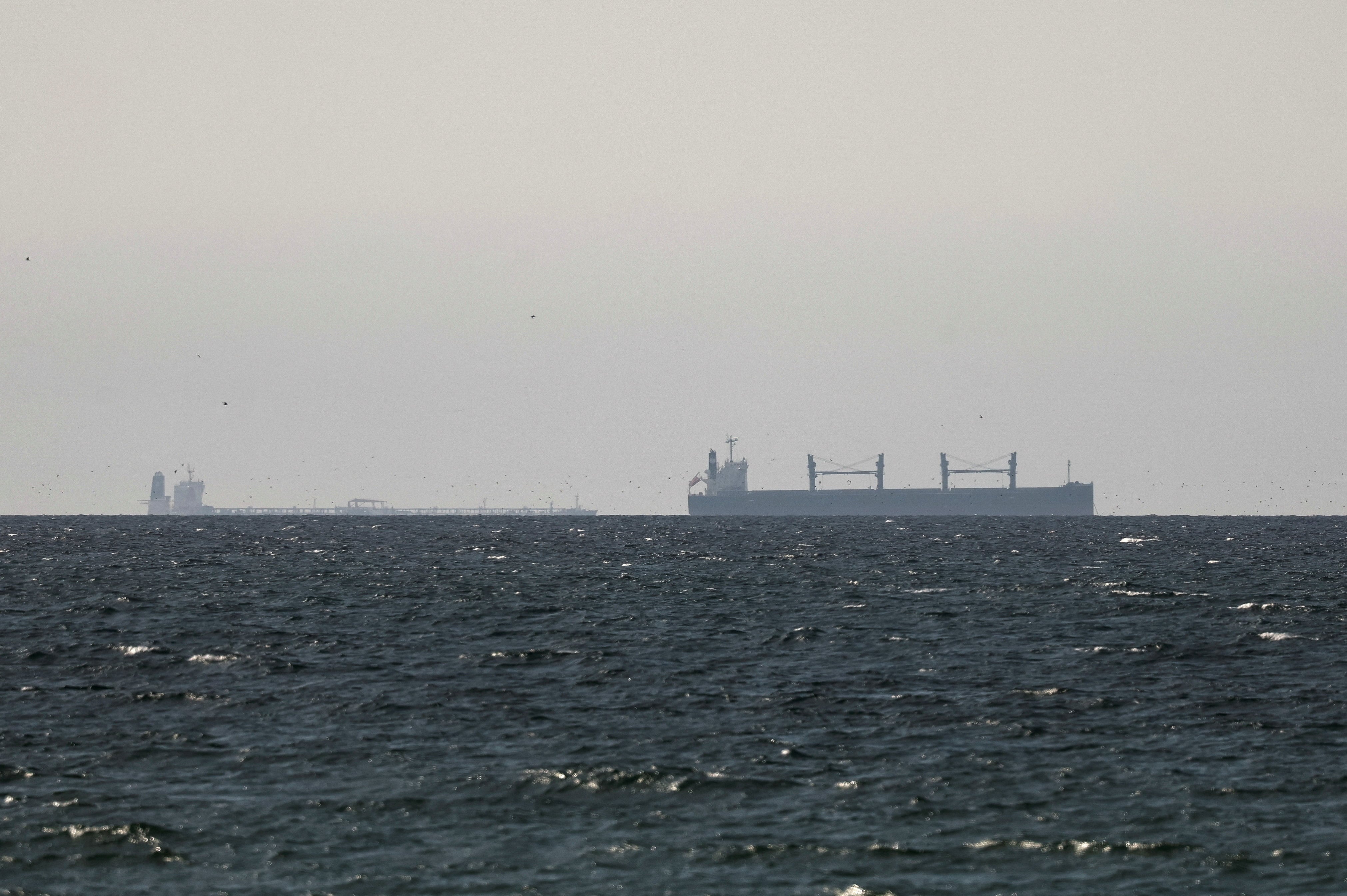
To understand why this is happening, it is important to know about the Strait of Hormuz. This narrow stretch of water connects the Persian Gulf with the Gulf of Oman and the Arabian Sea. It is the only way for many oil-producing countries to ship their products to the rest of the world. Iran has often threatened to close this path when it feels pressured by other countries. Recently, the U.S. and Israel have carried out several military strikes against Iranian targets. These strikes have weakened Iran's military and killed some of its leaders. President Trump is now using a "maximum pressure" strategy to force Iran to stop blocking international shipping and to change its behavior in the region.
Public or Industry Reaction
The reaction from the international community has been one of deep concern. Energy experts warn that even a small disruption in the Middle East can cause gas prices to jump in the U.S. and Europe. Other countries in the region, such as Saudi Arabia and the United Arab Emirates, are on high alert because their own oil fields and power plants are now being threatened by Iran. Many world leaders are calling for both sides to talk instead of fighting, but the 48-hour deadline makes it difficult for diplomats to find a peaceful solution. Shipping companies are also worried about the safety of their vessels and crews in the area.
What This Means Going Forward
The next few days are very important. If Iran does not reopen the Strait of Hormuz, the U.S. may feel forced to act on its threat to destroy Iranian power plants. If that happens, we could see a chain reaction of attacks across the Middle East. Iran might use its missiles and drones to hit oil refineries in neighboring countries. This would lead to a massive energy crisis. On the other hand, if Iran backs down, it might be seen as a sign of weakness at home. Both sides are currently in a position where neither wants to look weak, which makes the risk of a mistake or a sudden war much higher.
Final Take
The world is watching a dangerous game of threats between two powerful sides. With a 48-hour clock running down, the chance for a peaceful exit is shrinking. The safety of the world's energy supply and the lives of many people in the Middle East depend on what happens in the next two days. If diplomacy fails, the economic and military consequences will be felt far beyond the borders of Iran and the United States.
Frequently Asked Questions
What is the Strait of Hormuz?
It is a narrow and very important waterway in the Middle East. Most of the oil from the Persian Gulf must pass through this strait to reach international markets.
Why did Donald Trump give Iran a 48-hour deadline?
The U.S. president wants Iran to stop blocking the Strait of Hormuz. He has threatened to destroy Iran's power plants if they do not reopen the passage within two days.
How did Iran respond to the U.S. threat?
Iran said that if their energy facilities are attacked, they will destroy energy infrastructure across the entire Middle East region in return.