
Summary
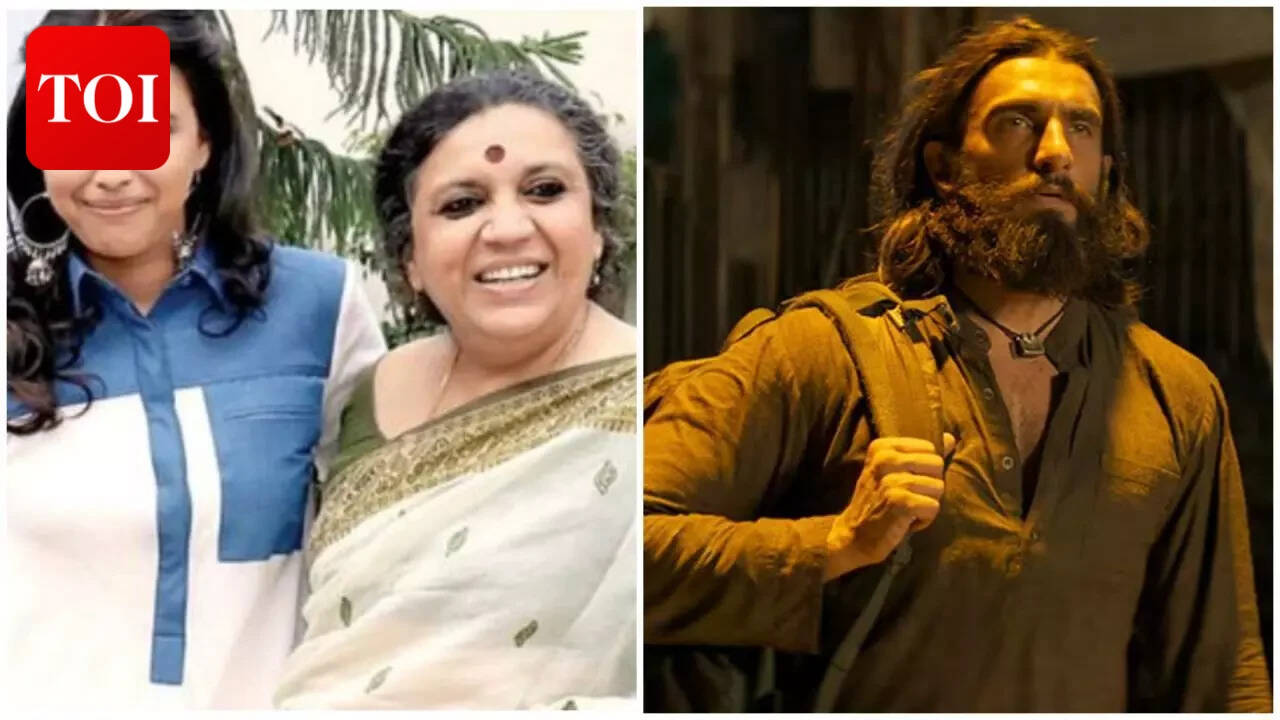
Ira Bhaskar, a well-known film scholar and the mother of actress Swara Bhasker, has publicly shared her concerns regarding the movie Dhurandhar. During a recent online discussion, she spoke about the political themes found in modern Indian movies and how they affect society. Her main point of worry is how the film depicts the Muslim community, which she believes relies on old and harmful ideas. This critique has started a new conversation about the social responsibility of filmmakers in the current media environment.
Main Impact
The comments made by Ira Bhaskar have a significant impact because they come from a person with deep knowledge of film history and theory. When a respected academic points out issues in a major film, it forces the industry and the public to think more deeply about the stories being told on screen. The main concern raised is that movies can shape how people view their neighbors and fellow citizens. If a film uses unfair stereotypes, it might lead to more division in real life. This discussion highlights the tension between creative freedom and the need for fair representation in big-budget cinema.
Key Details
What Happened
The critique took place during a panel talk hosted on the YouTube channel called Karwan e Mohabbat. The session was led by Harsh Mander, an activist and writer who often discusses social issues. During the talk, Ira Bhaskar focused on the film Dhurandhar, which is directed by Aditya Dhar. She explained that the way the movie is written and filmed could send a negative message about specific groups of people. She argued that the narrative choices made in the film are part of a larger trend in the movie industry today.
Important Numbers and Facts
The film in question, Dhurandhar, is directed by Aditya Dhar, who previously gained a lot of fame for his movie Uri: The Surgical Strike. That earlier film was a massive hit at the box office and won several awards. Because of his success, his new projects are watched very closely by both fans and critics. Ira Bhaskar, who is a professor of cinema studies, used her academic background to analyze the film's impact. The discussion on the Karwan e Mohabbat channel has already reached thousands of viewers, spreading the debate across social media platforms.
Background and Context
To understand this situation, it is helpful to look at how Indian movies have changed over the last few years. There has been a rise in films that focus on national pride, history, and security. While many people enjoy these movies, some critics feel that they often simplify complex issues. Ira Bhaskar is an expert who has spent years teaching students how to look past the entertainment and see the underlying messages in films. Her daughter, Swara Bhasker, is also known for being vocal about social and political issues, making this a topic that the family is very familiar with. The debate is not just about one movie, but about how the entire film industry chooses to tell stories about India's diverse population.
Public or Industry Reaction
The reaction to these comments has been divided. Many people on social media agree with Bhaskar, saying that filmmakers should be more careful not to promote bias. They believe that movies have the power to change minds and should be used to bring people together rather than pull them apart. On the other side, some fans of the director defend the film. They argue that a director should be allowed to tell any story they want without being judged by political standards. They see the movie as a form of entertainment and believe that critics are being too hard on the creative process. This divide shows how much people care about the messages they see in theaters.
What This Means Going Forward
In the future, we can expect more discussions like this one. As movies become more political, more people will likely speak up about how different communities are shown. Filmmakers might face more pressure to hire consultants or researchers to ensure their stories are fair and accurate. For the audience, this is a sign that they should watch movies with a critical eye. It is important to enjoy a film while also thinking about the message it is sending. The goal for the industry will be to find a balance where they can tell exciting stories that are also respectful to everyone in society.
Final Take
Cinema is a very strong tool that can influence how millions of people think and feel. While directors have the right to share their vision, scholars like Ira Bhaskar remind us that these visions have consequences. Fair representation in movies is not just about being polite; it is about making sure that everyone feels seen and respected in the stories that define a nation.
Frequently Asked Questions
Who is Ira Bhaskar?
Ira Bhaskar is a professor of cinema studies and a well-known film scholar. She is also the mother of the famous Indian actress Swara Bhasker.
What is the main criticism of the film Dhurandhar?
The main criticism is that the film uses stereotypes to portray the Muslim community and that its political message could be seen as divisive.
Who directed the movie Dhurandhar?
The movie is directed by Aditya Dhar, who is also known for directing the popular film Uri: The Surgical Strike.



