
Summary
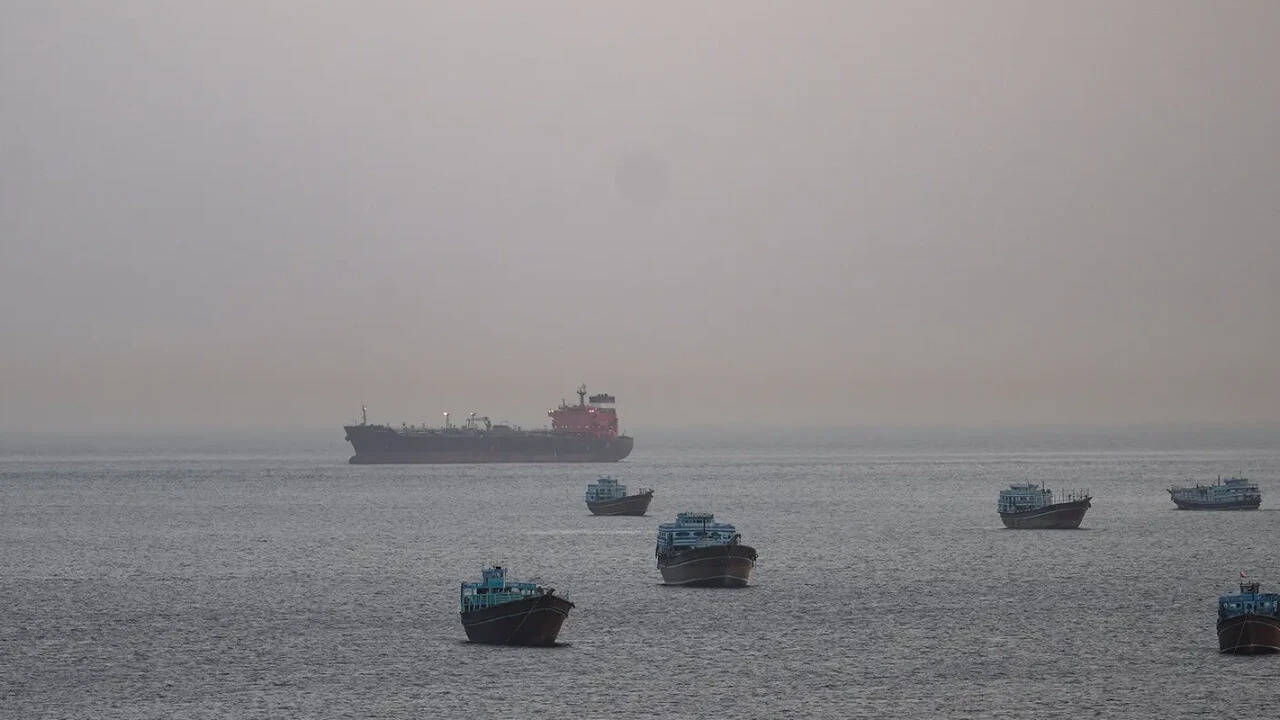
Two Indian-flagged ships carrying crude oil have successfully crossed the Strait of Hormuz, a critical waterway for global energy supplies. This development comes amid ongoing tensions in the region that have raised concerns about shipping safety. The passage of these vessels is a significant event for India's energy security, as the country relies heavily on oil imports from the Middle East.
Main Impact
The safe crossing of these two Indian ships through the Strait of Hormuz is a positive sign for India's energy supply chain. The strait is a narrow passage between Iran and Oman, through which about 20% of the world's oil passes. Any disruption here can cause oil prices to spike and affect economies worldwide. For India, which imports most of its crude oil, this event helps ensure that its refineries can continue operating without major interruptions.
Key Details
What Happened
Two ships flying the Indian flag transported crude oil through the Strait of Hormuz. The vessels were carrying oil from the Middle East to India. Their passage was closely watched because of recent security concerns in the area, including attacks on commercial ships and tensions between Iran and other nations.
Important Numbers and Facts
The Strait of Hormuz is only 33 kilometers wide at its narrowest point. India gets about 60% of its crude oil from the Middle East, much of which passes through this strait. The two ships are part of a larger fleet that India uses to secure its energy needs. The crossing happened without any reported incidents.
Background and Context
The Strait of Hormuz has been a hotspot for geopolitical tensions for decades. Iran has threatened to block the strait in the past as a way to pressure other countries. In recent months, there have been several incidents involving ships in the region, including seizures and attacks. This has made shipping companies and countries like India more cautious. India has been working to protect its energy routes by increasing naval patrols and building strategic partnerships.
Public or Industry Reaction
The shipping industry has welcomed the news, as it shows that commercial traffic can still move through the strait despite the risks. Indian officials have not made major public statements, but the event is seen as a small victory for maritime security. Analysts say that while this crossing is good news, the situation remains fragile and could change quickly.
What This Means Going Forward
This successful crossing does not mean the danger is over. India will need to keep monitoring the situation and may need to find alternative routes or sources of oil in the long term. The country is already investing in renewable energy and exploring oil imports from other regions like Africa and the Americas. For now, the Strait of Hormuz remains a vital but risky passage for India's energy needs.
Final Take
The passage of two Indian ships through the Strait of Hormuz is a reminder of how dependent the world is on this narrow waterway. While this event is a relief for India's energy security, it also highlights the need for long-term planning to reduce risks. The situation in the region is unlikely to improve soon, so India must stay prepared for future challenges.
Frequently Asked Questions
Why is the Strait of Hormuz important for India?
The Strait of Hormuz is a key route for oil tankers traveling from the Middle East to India. About 60% of India's crude oil imports pass through this strait, making it critical for the country's energy supply.
What risks do ships face in the Strait of Hormuz?
Ships in the strait face risks like attacks from armed groups, seizures by Iran, and collisions due to heavy traffic. Recent tensions have increased these dangers, forcing shipping companies to take extra precautions.
How is India protecting its oil shipments?
India has increased naval patrols in the region and is working with other countries to ensure safe passage. It is also looking for alternative oil sources and investing in renewable energy to reduce its dependence on Middle Eastern oil.



