Summary
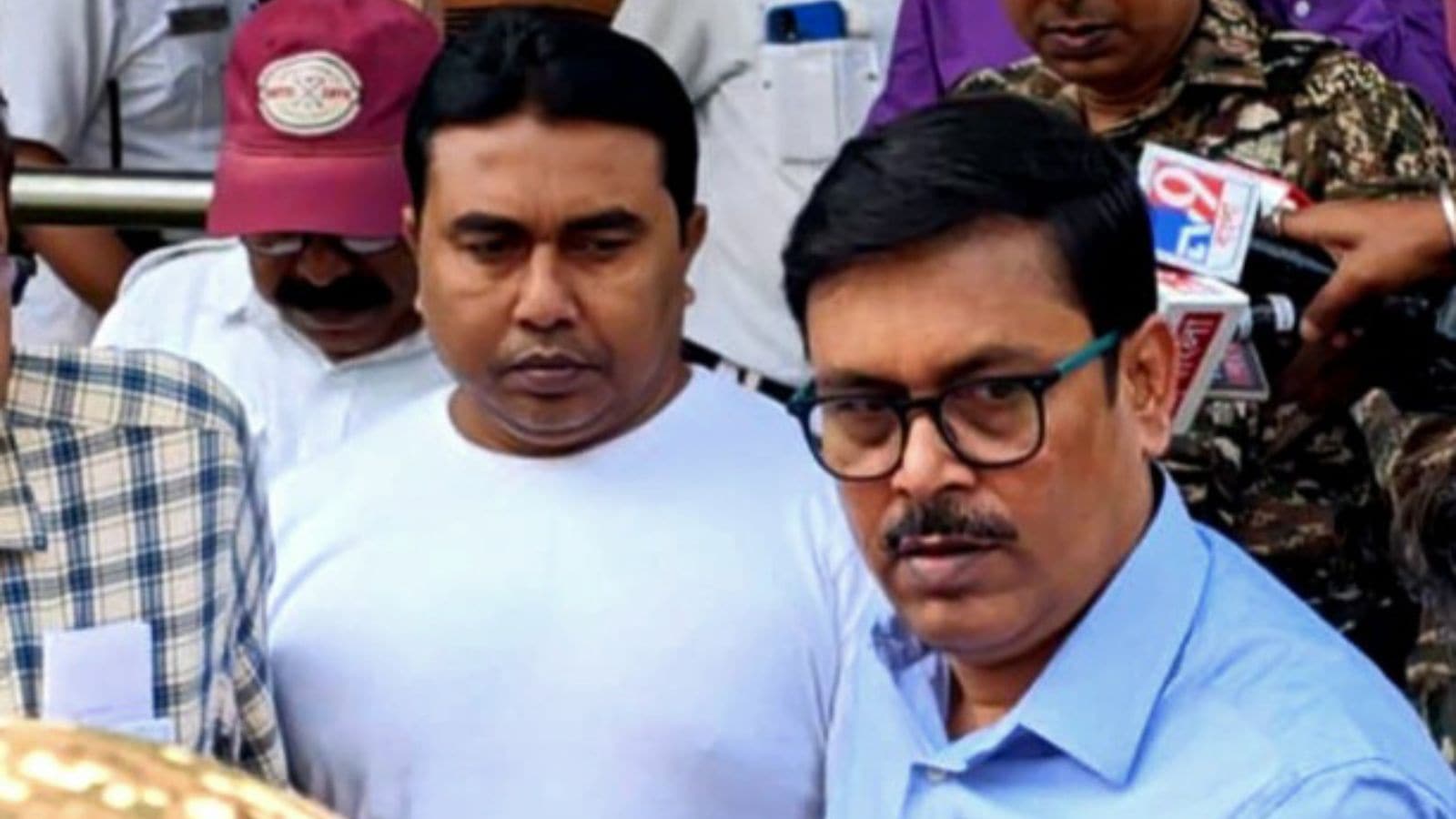
The Uttar Pradesh Anti-Terrorism Squad (ATS) has arrested a member of the Indian Navy on charges of spying for Pakistan. The sailor, identified as Adarsh Kumar, also known as Lucky, was taken into custody in Agra. He is accused of sharing sensitive information, including the locations and photographs of Indian warships, with foreign agents. This arrest marks a significant step in stopping the leak of vital military secrets to enemy intelligence agencies.
Main Impact
The arrest of a serving sailor for spying has serious consequences for national security. When information about the position and movement of warships is leaked, it puts the entire naval fleet at risk. Such data allows foreign countries to track India's maritime strength and plan potential counter-moves. This incident highlights a major security gap and shows how vulnerable even trained military personnel can be to outside influence. It also forces the defense forces to re-examine their internal security measures and how they monitor the digital activities of their staff.
Key Details
What Happened
Adarsh Kumar was working within the Indian Navy when he allegedly began communicating with individuals linked to Pakistani intelligence. According to the UP ATS, he used his access to military areas to take photos and gather data. He then sent these files through encrypted messaging apps to his handlers across the border. The authorities had been tracking his suspicious behavior for some time before making the move to arrest him in Agra. The investigation suggests that he was providing real-time updates on where specific ships were stationed and where they were headed.
Important Numbers and Facts
Adarsh Kumar joined the Indian Navy in February 2020. He had been serving for about four years before his arrest in March 2026. During his time in the service, he had access to various naval installations. The UP ATS recovered mobile phones and digital evidence from him that contained proof of his communication with Pakistani agents. The authorities are now looking into whether he received any money in exchange for this information and if other people were involved in this spying ring.
Background and Context
Spying cases in the military often involve what is known as a "honey trap." This is a method where foreign agents create fake social media profiles, often pretending to be women, to strike up friendships with soldiers. Once a bond is formed, the agent asks for small pieces of information, which eventually leads to the sharing of major secrets. In other cases, soldiers are offered large sums of money to help their family or pay off debts. The Indian government has issued several warnings to its personnel about using social media and talking to strangers online. Despite these warnings, foreign agencies continue to target young sailors and soldiers who have access to sensitive data.
Public or Industry Reaction
The news of the arrest has caused a stir among the public and security experts. Many people are asking how a sailor could continue to share secrets for a long time without being detected by naval intelligence. Security analysts have praised the UP ATS for their quick action but also warned that this might not be an isolated case. There is a growing demand for stricter rules regarding the use of smartphones inside military bases. Within the Navy, there is a sense of disappointment that one of their own would betray the country's trust. The incident has led to an immediate internal review of security protocols across various naval commands.
What This Means Going Forward
In the coming weeks, Adarsh Kumar will face intense questioning to find out the full extent of the damage he caused. The Navy will likely conduct a damage assessment to see if they need to change their operational plans or move certain assets to new locations. This case will also lead to more training for soldiers on the dangers of digital spying. We can expect to see more frequent checks on the personal devices of military staff. Legally, the accused will be tried under the Official Secrets Act, which carries heavy penalties, including long prison sentences. This arrest serves as a stern reminder that the government is watching and that any act of betrayal will be met with firm action.
Final Take
The safety of a nation depends on the loyalty of its defenders. When an insider turns into a spy, it creates a danger that is hard to fight with traditional weapons. While the arrest of Adarsh Kumar is a success for the UP ATS, it also shows that the threat of digital spying is very real and constant. Constant vigilance and better education for military personnel are the only ways to prevent such incidents from happening again. The focus must now remain on finding any other links in this chain to ensure that no more secrets leave the country.
Frequently Asked Questions
Who was arrested for spying in Agra?
Adarsh Kumar, also known as Lucky, who was a serving sailor in the Indian Navy, was arrested by the UP ATS.
What kind of information did the accused share?
He is accused of sharing sensitive photographs and the exact locations of Indian warships with agents in Pakistan.
When did the accused join the Indian Navy?
Adarsh Kumar joined the Indian Navy in February 2020 and had been in service for several years before his arrest.