
Summary
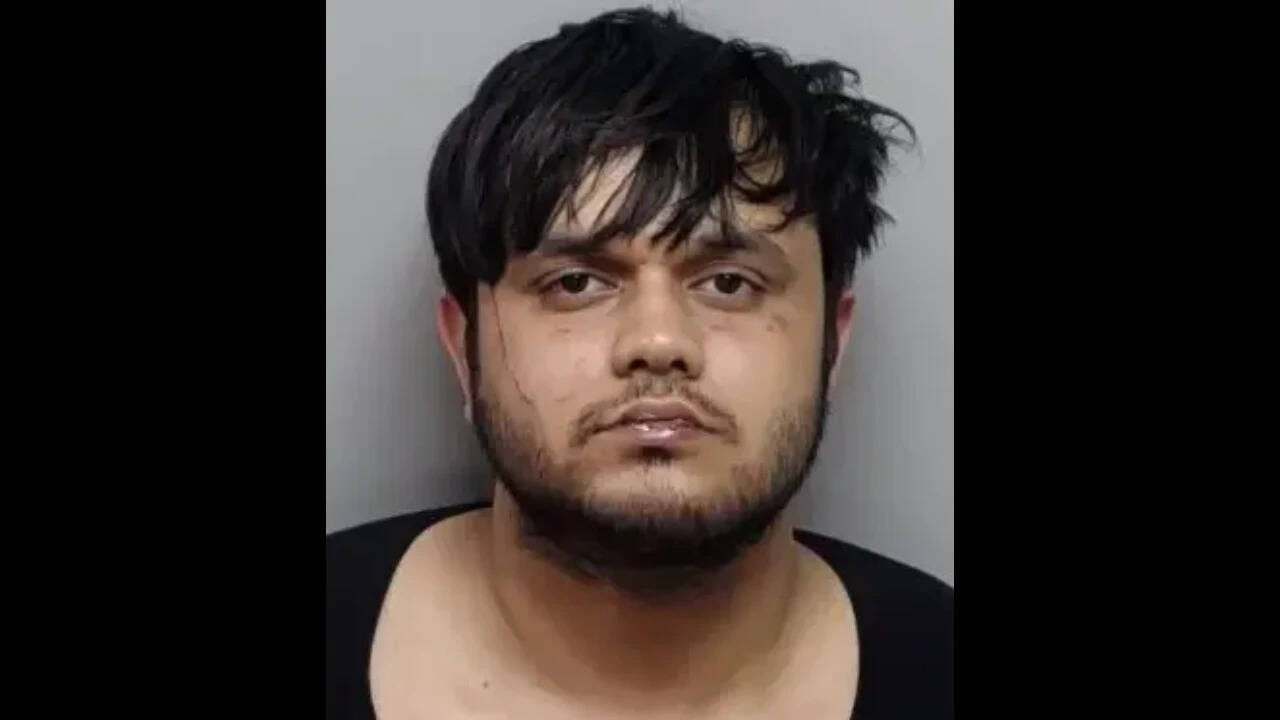
A man from India was recently arrested in Texas following a violent physical attack on a woman and her young child. During the incident, the man allegedly hit the woman and bit the child, causing injuries that required medical attention. Local police confirmed that the suspect was living in the United States illegally at the time of the attack. Records show that his student visa had been officially cancelled in 2025, yet he remained in the country for a year before this event occurred.
Main Impact
This case has sparked a serious conversation about public safety and the enforcement of immigration laws in Texas. The primary impact is the physical and emotional trauma suffered by the victims, who were attacked in what should have been a safe environment. Beyond the immediate victims, the incident has put a spotlight on the challenges of tracking individuals whose legal right to stay in the country has ended. It raises questions about how local and federal authorities manage foreign nationals who stay past their visa expiration dates, especially those who may pose a risk to the community.
Key Details
What Happened
The incident took place in a residential area where the suspect reportedly approached a woman and her child without warning. According to police reports, the man became aggressive and began to physically assault the woman. When she tried to protect her child, the man turned his aggression toward the youngster. Witnesses and police statements indicate that the man bit the child during the struggle. Bystanders called for help, and officers arrived quickly to take the man into custody. The victims were treated for their injuries, and the suspect was booked into a local jail on multiple charges, including assault and injury to a child.
Important Numbers and Facts
The suspect is an Indian national who originally entered the United States on a student visa. This type of visa, known as an F-1 visa, allows foreign citizens to live in the country while they are enrolled in an approved school. However, immigration records reveal that his status was revoked in 2025. This means he had been living in the U.S. without legal permission for several months. He now faces serious felony charges in the state of Texas, which could lead to a long prison sentence before any deportation actions are taken by federal agents.
Background and Context
To understand this situation, it is important to know how student visas work. When a person comes to the United States to study, they must follow specific rules. They must attend classes, maintain good grades, and follow the law. If a student stops going to school or breaks the rules, the government can take away their visa. This is called revocation. Once a visa is revoked, the person is supposed to leave the country immediately. In this case, the suspect stayed in Texas long after his legal time was up. This is often called "overstaying" a visa. When someone overstays and then commits a crime, it creates a complicated legal situation involving both local police and federal immigration officers.
Public or Industry Reaction
The local community has expressed deep concern over the violent nature of the attack, especially the harm caused to a child. Many residents are asking why the suspect was still in the area if his visa had been cancelled a year ago. Safety advocates are calling for better communication between schools, immigration offices, and local law enforcement. On social media and in local meetings, people are discussing the need for stricter monitoring of visa holders. Meanwhile, some community leaders are reminding the public that this is an isolated incident and does not reflect the behavior of the vast majority of international students who follow the law and contribute to the community.
What This Means Going Forward
The suspect is currently being held in jail and will have to face a judge for the assault charges. In Texas, injuring a child is a very serious crime that carries heavy penalties. After the criminal case is finished, the federal government will likely start the process of removing him from the country. This event may lead to new policies in Texas regarding how local police check the immigration status of people they arrest. It might also push federal agencies to be more proactive in finding and removing individuals whose visas have been revoked, especially if they have a history of erratic behavior or minor legal issues.
Final Take
This violent encounter is a tragic example of what can happen when legal oversight fails. While the legal system works to bring justice to the woman and her child, the case serves as a reminder of the ongoing debate over immigration enforcement. Ensuring that people leave the country when their legal stay ends is not just a matter of paperwork; it is a matter of keeping communities safe. The focus now remains on the recovery of the victims and the legal steps required to ensure the suspect is held fully responsible for his actions.
Frequently Asked Questions
What happens when a student visa is revoked?
When a student visa is revoked, the person loses their legal right to stay in the United States. They are required to leave the country immediately. If they stay, they are considered to be in the country illegally and can be arrested by immigration authorities.
What are the penalties for injury to a child in Texas?
In Texas, injury to a child is a serious felony. Depending on the severity of the injury and whether the act was intentional, a person could face many years in prison and large fines. The law is very strict to ensure the protection of minors.
Will the suspect be deported right away?
Usually, if a person commits a serious crime, they must first face trial and serve any prison time ordered by the court in the United States. Once their criminal sentence is finished, they are typically handed over to immigration officials for deportation to their home country.

