
Summary
The Indian Army successfully completed a major rescue mission called Operation HimSetu in the high-altitude regions of North Sikkim. Over 1,400 people, including many tourists and local residents, were left stranded after a critical bridge collapsed and heavy snowfall blocked major roads. Army personnel worked through extreme weather and freezing temperatures to provide food, medical care, and safe shelter to those caught in the disaster. This mission highlights the vital role the military plays in protecting civilians during natural disasters in remote mountain areas.
Main Impact
The primary impact of this rescue operation was the prevention of a major humanitarian crisis. North Sikkim is known for its steep mountains and unpredictable weather, where being stuck outdoors for even a few hours can be deadly. By moving quickly, the Army ensured that no lives were lost to the cold or lack of supplies. The collapse of the bridge had cut off the only way out for hundreds of vehicles, making the Army’s intervention the only hope for those trapped. This event also shows the ongoing struggle to maintain stable travel routes in regions prone to landslides and heavy snow.
Key Details
What Happened
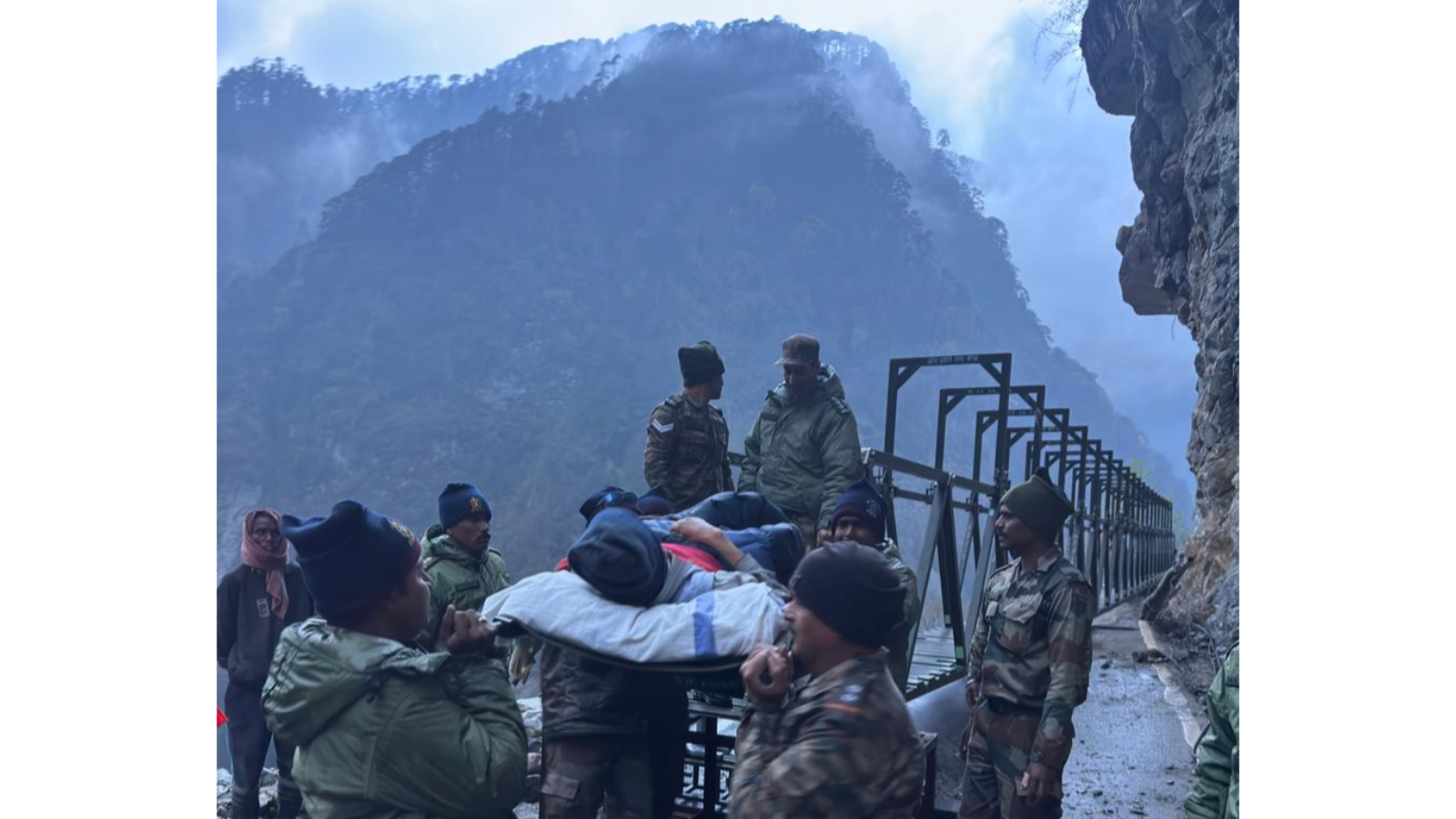
The trouble began when a key bridge in North Sikkim gave way, making it impossible for cars and buses to pass. At the same time, a sudden and heavy snowstorm hit the region, covering the roads in thick layers of ice and snow. This combination of events trapped over 1,400 people in areas like Lachen, Lachung, and Chungthang. Many of these people were tourists who were not prepared for such harsh conditions. The Indian Army immediately launched Operation HimSetu to reach the stranded groups. Soldiers used heavy machinery to clear paths and built temporary walking bridges so people could move to safer ground.
Important Numbers and Facts
The scale of the operation was massive, involving several units of the Indian Army. More than 1,400 individuals were safely moved to Army camps. Temperatures in the area had dropped well below zero, creating a high risk of frostbite and breathing problems. To help, the Army set up three large transit camps where people could stay. They provided over 2,000 hot meals and hundreds of blankets. Medical teams checked every person, focusing on elderly travelers and children who were struggling with the thin mountain air and the biting cold.
Background and Context
North Sikkim is a beautiful part of India that attracts thousands of visitors every year. However, it is also one of the most dangerous places to travel because of its geography. The roads are narrow and sit on the edges of deep valleys. Bridges are the only way to cross the many rivers that flow through the mountains. In recent years, the region has faced several natural disasters, including flash floods and heavy landslides, which have weakened the ground. When a bridge falls or a road closes, there are often no other ways to get in or out. This makes the presence of the Army essential, as they are the only group with the equipment and training to work in such difficult spots.
Public or Industry Reaction
The reaction to the rescue has been one of deep gratitude. Many of the rescued tourists shared stories of how the soldiers gave up their own beds and warm clothes to ensure the civilians were comfortable. On social media, people have praised the "Trishakti Corps" of the Indian Army for their bravery and quick thinking. Travel experts note that while the rescue was a success, these frequent road closures are a worry for the local tourism industry. Local leaders have thanked the military but are also calling for more permanent and stronger bridges that can withstand the harsh Himalayan weather.
What This Means Going Forward
Moving forward, this event shows that there is a serious need for better infrastructure in North Sikkim. The government and military engineers are likely to look at building more durable bridges that do not collapse during storms. For travelers, it serves as a reminder to check weather reports carefully before heading into high-altitude areas. The Army will continue to keep a close watch on the region, as more snow is expected in the coming weeks. There will also be a focus on improving communication systems so that people can call for help even when they are in remote valleys where phone signals are weak.
Final Take
Operation HimSetu is a clear example of the Indian Army’s dedication to serving the people beyond their duties at the border. In the face of a terrifying situation, the soldiers provided more than just a way home; they provided hope and safety to over a thousand worried people. While the mountains remain a place of great beauty, this rescue reminds us of the power of nature and the importance of having a well-prepared force ready to help when things go wrong. The success of this mission is a testament to the skill and heart of the men and women in uniform.
Frequently Asked Questions
What is Operation HimSetu?
Operation HimSetu is the name given to the rescue mission led by the Indian Army to save over 1,400 people stranded in North Sikkim due to snow and a bridge collapse.
Why were so many people stuck in North Sikkim?
A vital bridge collapsed, which blocked the main road. At the same time, heavy snowfall made the roads too dangerous to drive on, leaving tourists and locals trapped in their vehicles and hotels.
What kind of help did the Army provide?
The Army provided safe shelter in their camps, hot food, warm blankets, and medical care. They also used machines to clear the snow and built temporary crossings to help people reach safety.



