
Summary
India is currently facing a growing shortage of LPG cylinders, which has led to sudden price hikes in many major cities. Opposition parties are expressing deep concern over this situation, blaming the central government’s trade policies and global conflicts for the crisis. Leaders are now demanding that the government explain how it plans to protect the country's energy supply as tensions rise between the US, Israel, and Iran. This shortage is affecting both regular households and small businesses that rely on gas for their daily needs.
Main Impact
The most direct impact of this crisis is the rising cost of living for millions of people. Prices for domestic LPG cylinders have increased by Rs 60, while commercial cylinders used by businesses have gone up by Rs 115. These price jumps are happening at a time when many families are already struggling with high costs. Beyond the price, the physical lack of cylinders in cities like Mumbai and Bengaluru means that people are waiting in long lines just to get basic cooking fuel. Small businesses, particularly local hotels and food stalls, are worried they may have to shut down if they cannot get a steady supply of gas.
Key Details
What Happened
Reports of gas shortages began to surface in several large Indian cities over the last few days. Opposition members in Parliament have pointed out that the supply of LPG is dropping while the prices continue to climb. In places like Ranchi, people are seen standing in long queues at petrol and gas stations because they are afraid the supply will run out completely. The situation has become so serious that political leaders have asked for an emergency discussion in Parliament to address the problem.
Important Numbers and Facts
The price changes have hit different sectors of the economy. A domestic LPG cylinder now costs Rs 60 more than it did recently. For businesses, the cost of a commercial cylinder has jumped by Rs 115. Opposition leaders mention that cities like Mumbai, Bengaluru, Pune, and Chennai are seeing the worst of the supply issues. While the government claims that India has enough gas stock to last for one month, many people are skeptical because the lines at gas agencies continue to grow longer every day.
Background and Context
India depends heavily on other countries for its energy needs, including oil and gas. When there is a war or high tension in the Middle East involving countries like Iran, it often leads to a global increase in energy prices. Recently, tensions between the US, Israel, and Iran have made the global market very unstable. Opposition leaders argue that a specific trade deal with the United States has made India even more vulnerable to these global changes. They believe that the government has given up too much control, leaving Indian citizens to pay the price for international conflicts.
Public or Industry Reaction
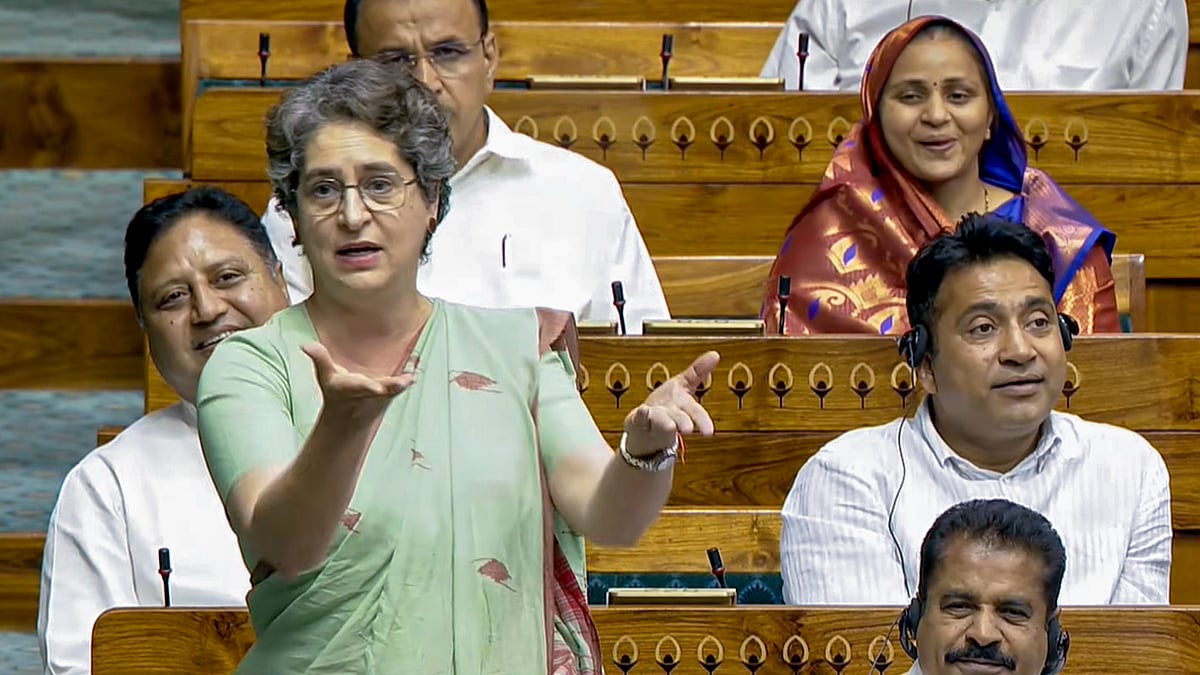
Political leaders from various parties have spoken out strongly against the current situation. Priyanka Gandhi stated that the crisis is a result of the government "bowing" to a US trade deal. She warned that if the war in the Middle East continues, the gas shortage will only get worse. Shashi Tharoor called the situation critical and urged the public to understand how serious the problem has become. Meanwhile, Manish Tewari highlighted that the Opposition has moved a special motion in Parliament to force a debate on the issue.
Small business owners are also very worried. In states like Karnataka and Maharashtra, hotel owners have reported that they are struggling to find enough gas to keep their kitchens running. There are also fears that the shortage will lead to "black marketing," where people sell gas cylinders illegally at much higher prices. Daily wage earners and poor families in big cities are expected to suffer the most if the government does not step in soon.
What This Means Going Forward
The next few weeks will be vital for India’s energy security. If the government cannot provide a clear plan, the shortage could lead to more public anger and economic pain. There is a need for the government to clarify its strategy for managing gas stocks if the international conflict lasts longer than expected. Experts are watching to see if the government will offer subsidies or find new ways to bring in more supply to stabilize the market. Without quick action, the cost of food and other basic services will likely continue to rise across the country.
Final Take
The current LPG crisis shows how global events can quickly affect the lives of regular people in India. While the government points to international tensions as the cause, the public and the opposition are demanding better domestic management and more transparency. Ensuring that every household has access to affordable cooking gas must remain a top priority to prevent a larger economic slowdown.
Frequently Asked Questions
Why is there a shortage of LPG cylinders in India?
The shortage is caused by a mix of global tensions in the Middle East and concerns over trade deals. These events have made it harder and more expensive to get a steady supply of gas into the country.
How much have LPG prices increased?
Domestic LPG cylinders have seen a price increase of Rs 60, while commercial cylinders used by restaurants and businesses have increased by Rs 115.
Which cities are most affected by the gas shortage?
Major cities including Mumbai, Bengaluru, Chennai, Pune, and Ranchi have reported significant shortages and long wait times for gas cylinders.

