
Summary
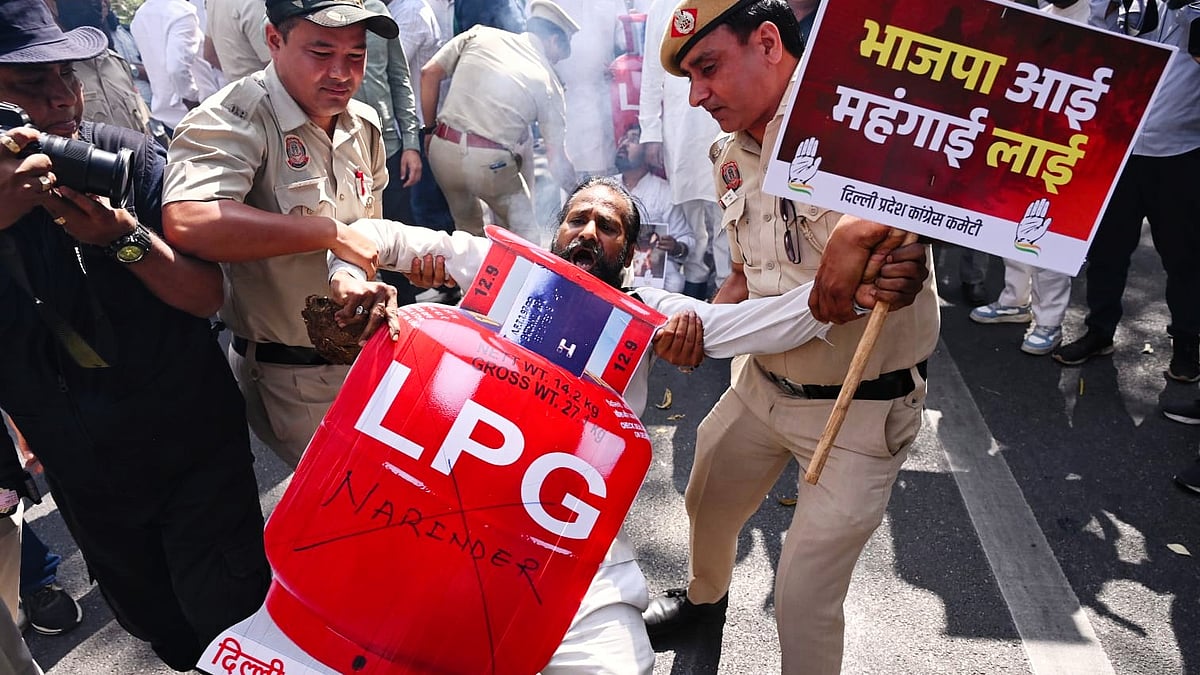
The Indian Parliament faced a major shutdown on Friday as lawmakers argued over the growing shortage and rising prices of cooking gas (LPG). Opposition members held loud protests, demanding that the government explain why families across the country are struggling to get gas cylinders. While the government claims there is no reason to worry, new rules have been put in place to limit how often people can book gas refills. This situation has caused a lot of stress for both regular households and small businesses like restaurants.
Main Impact
The most direct impact of this crisis is the new rationing system for cooking gas. The government has officially increased the waiting time between gas bookings. Previously, people could book a new cylinder after 21 days, but that has now been pushed to 25 days. This change is meant to stop people from "panic booking," but it has actually made many citizens more nervous about running out of fuel. In many cities, people are now waiting in long lines outside gas agencies, and the online booking systems are struggling to keep up with the high demand.
Key Details
What Happened
The Lok Sabha, which is the lower house of Parliament, had to stop its work twice on Friday. As soon as the meeting started, members of the Opposition moved to the center of the room and began shouting slogans. They wanted a serious talk about the LPG crisis. Instead of starting a debate, the government’s parliamentary affairs minister, Kiren Rijiju, criticized the Opposition leaders. He accused them of acting for the cameras and said the public would not support their behavior. Because of the constant shouting and arguing, the House was closed until the afternoon without solving the gas issue.
Important Numbers and Facts
- 25 Days: This is the new minimum gap required between booking two LPG cylinders, up from the old 21-day rule.
- Import Reliance: India buys a very large portion of its cooking gas from countries in the Gulf region.
- Supply Shift: Oil refineries have been told to change their production. They are now taking chemicals like propane and butane, which are usually used for other things, and using them to make more cooking gas for homes.
- Priority List: The government has moved restaurants and factories to the back of the line so that regular families can get their gas first.
Background and Context
The reason for this sudden shortage is the fighting happening in West Asia. This part of the world is where India gets most of its energy supplies. Because of the conflict, ships carrying gas are finding it harder and more dangerous to travel. This has slowed down the arrival of gas in Indian ports. India depends heavily on these imports to keep kitchens running. When the supply from other countries slows down, the government has to find ways to make the current stock last longer, which is why they introduced the new 25-day booking rule.
Public or Industry Reaction
The reaction from the public has been one of worry and confusion. In several major cities, sales of electric induction stoves have gone up because people are afraid they won't be able to get a gas cylinder when they need one. Small restaurant owners are also complaining. Since the government is prioritizing homes, businesses are finding it very hard to get the large commercial cylinders they need to cook food for their customers. Some shop owners fear they might have to close temporarily if the supply does not improve soon.
In Parliament, the Opposition used symbolic items like plates and spoons to show that the crisis is hitting the "common man's kitchen." They claim the government failed to plan for this emergency even though the trouble in West Asia has been going on for some time. On the other side, the government insists that there is enough gas for everyone and that the Opposition is just trying to create a political scene.
What This Means Going Forward
In the coming weeks, the government will likely look for other countries to buy gas from so they don't have to rely only on the Gulf. They are also working to make more gas inside India. However, as long as the fighting in West Asia continues, shipping will remain a problem. The political pressure is not going away either. The Opposition has promised to keep protesting until the government gives a clear plan on how they will bring prices down and make sure every home gets its cylinder on time. If the 25-day rule stays in place for a long time, it could lead to even more anger among voters.
Final Take
The current LPG crisis is a mix of global trouble and local worry. While the government is trying to manage the supply by making new rules, the lack of clear communication has made people anxious. For a country where millions of families rely on these cylinders every day, any delay in the kitchen is a major problem. To fix this, the government needs to do more than just tell people not to panic; they need to show that the supply chain is strong and that the rules will return to normal soon.
Frequently Asked Questions
Why is there a shortage of LPG in India?
The shortage is mainly caused by conflict in West Asia, which has disrupted the shipping routes used to bring gas into India. Since India imports most of its gas, these delays affect the local supply.
What is the new rule for booking gas cylinders?
The government has increased the mandatory gap between booking two gas refills from 21 days to 25 days. This is a temporary measure to make sure the available gas is shared fairly among all households.
Are restaurants and businesses affected?
Yes. The government is prioritizing domestic households for gas supply. This means commercial users, like restaurants, are facing longer wait times and more difficulty in getting the cylinders they need for business.

