
Summary
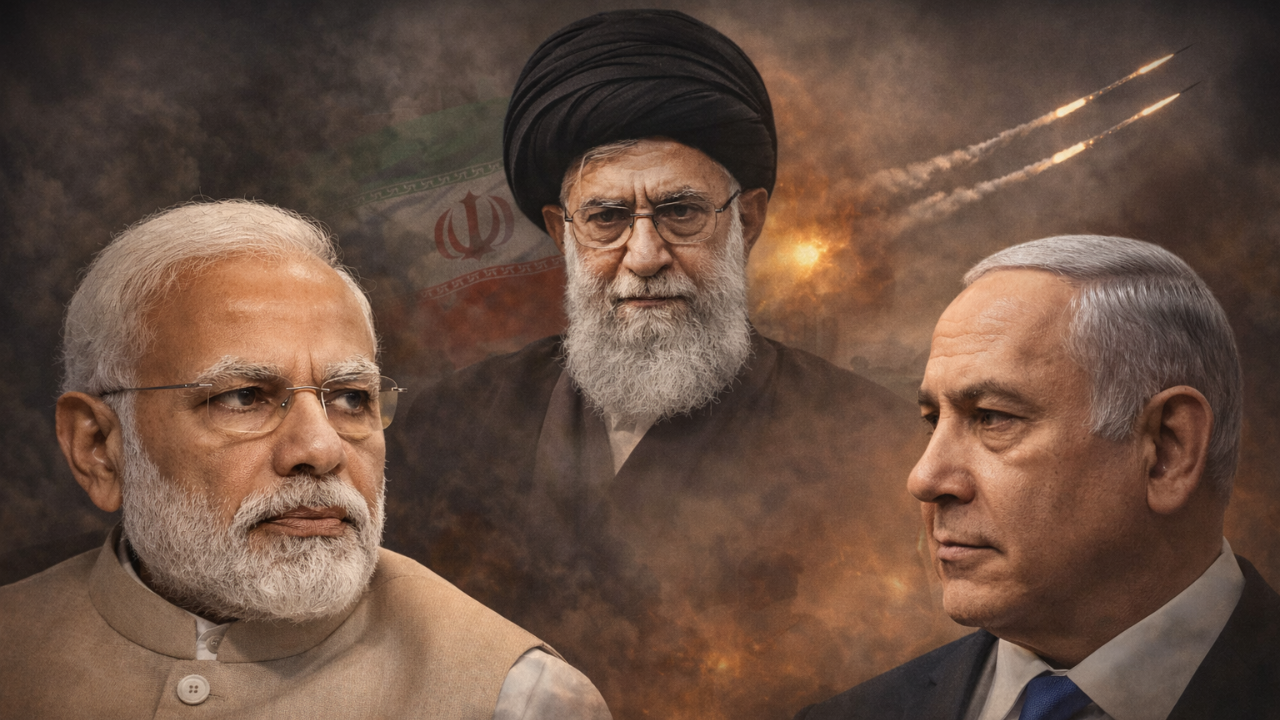
India is currently navigating a complex diplomatic challenge known as the "triangle trap" involving Iran, Israel, and the United States. As tensions in the Middle East rise, India must balance its long-standing energy and trade ties with Iran against its deep defense and technology partnerships with Israel and the US. This situation is critical because any major conflict in the region could disrupt India’s economy, energy supply, and the safety of millions of Indian citizens living there. India is working hard to remain neutral while protecting its national interests.
Main Impact
The primary impact of this tension is the pressure it puts on India’s policy of strategic autonomy. India has spent years building strong relationships with all three nations, but as they move closer to open conflict, staying neutral becomes much harder. A spike in regional violence could lead to higher oil prices, which would hurt the Indian economy. Furthermore, India’s goal of becoming a global trade hub depends on stability in the Middle East, making this diplomatic balancing act a top priority for the government.
Key Details
What Happened
The Middle East has seen a sharp increase in military actions and heated rhetoric between Iran and Israel. The United States, a close ally of Israel, has also increased its military presence in the area. India finds itself caught in the middle because it views Iran as a gateway to Central Asia and Israel as a vital partner for national security. Recent events have forced Indian diplomats to engage in high-level talks to ensure that Indian projects and citizens are not caught in the crossfire.
Important Numbers and Facts
India’s connection to these three countries is backed by significant data. India is one of the world's largest consumers of oil, and a large portion of its energy passes through the Persian Gulf. There are approximately 9 million Indian nationals working in the Middle East, sending home billions of dollars in remittances every year. On the defense side, Israel has become one of India’s top three suppliers of military equipment. Additionally, India has invested heavily in the Chabahar Port in Iran to bypass land routes through Pakistan, a project that is vital for trade with Afghanistan and Russia.
Background and Context
To understand why this matters, one must look at India’s unique position. For decades, India has followed a policy of not taking sides in Middle Eastern conflicts. This allowed India to buy oil from Iran while buying advanced drones and missile systems from Israel. At the same time, India has grown much closer to the United States through groups like the Quad and the I2U2 (India, Israel, UAE, and the US). However, the current level of hostility between Iran and Israel is higher than it has been in years, making it difficult for India to maintain this "friend to everyone" approach.
Public or Industry Reaction
Foreign policy experts in India have expressed concern that the country may eventually be forced to make a choice. Many industry leaders are worried about the maritime security of trade routes in the Red Sea and the Arabian Sea. The Indian government has consistently called for "restraint and dialogue" in its official statements. Meanwhile, the Indian public is closely watching the situation, especially families who have relatives working in the Gulf region. There is a general consensus that India must use its influence to encourage de-escalation to avoid a global economic crisis.
What This Means Going Forward
Moving forward, India will likely continue its careful diplomatic dance. It will try to keep the Chabahar Port project alive despite US sanctions on Iran, while also expanding its tech and defense cooperation with Israel. The biggest risk is a direct war, which would force India to evacuate its citizens and find new energy sources quickly. India may also try to act as a back-channel messenger between the parties, using its good relations with both Tehran and Washington to prevent the situation from spiraling out of control.
Final Take
India’s ability to manage the "triangle trap" will be a major test of its growing power on the world stage. By refusing to pick a side, India is protecting its own economic and security needs. However, as the Middle East becomes more unstable, the cost of staying neutral will likely rise. Success for India means keeping its trade routes open and its energy prices stable without losing the trust of its most important global partners.
Frequently Asked Questions
Why is Iran important to India?
Iran is a key partner for India because of its location. It provides a trade route to Central Asia and Russia through the Chabahar Port, and it has historically been a major supplier of affordable oil.
How does the conflict affect the Indian economy?
Conflict in the Middle East usually leads to higher global oil prices. Since India imports most of its oil, this can lead to inflation and higher costs for transportation and goods within India.
What is India's official stance on the Iran-Israel tension?
India officially calls for peace, de-escalation, and a return to diplomatic talks. India maintains that dialogue is the only way to solve regional disputes and avoid a larger war.



