Summary
The Indian government has introduced a new proposal to change how news and political content are shared on social media. These rules aim to give officials more control over the information posted by independent creators, including podcasters and social media influencers. By expanding the definition of news broadcasters, the government wants to ensure that digital content follows the same strict standards as traditional television and newspapers. This move is expected to significantly change how millions of people in India consume information online.
Main Impact
The biggest impact of these proposed rules is the loss of the "free-for-all" nature of social media. For years, individuals have been able to share their opinions on politics and current events without much government interference. Under the new rules, these creators may be treated as professional media outlets. This means they could be held legally responsible for their content in ways they never were before. If the government decides a post is misleading or harmful, they will have the power to order its removal or punish the creator more easily.
Key Details
What Happened
The government recently shared a draft of new regulations that target "digital news broadcasters" and "online content curators." In simple terms, this includes anyone who makes a living or gains a large following by talking about the news on platforms like YouTube, X (formerly Twitter), and Instagram. The rules require these creators to follow a specific code of ethics. This code covers everything from the accuracy of information to the type of language used in videos and posts.
Important Numbers and Facts
India has over 450 million social media users, making it one of the largest digital markets in the world. Thousands of these users are influencers who have more followers than traditional news channels. The proposed rules suggest that any creator with a certain number of followers—though the exact number is still being discussed—must register with the government. Additionally, creators may be required to set up a system to handle complaints from the public within a very short time frame, often 24 to 48 hours.
Background and Context
This is not the first time India has tried to regulate the internet. In 2021, the government introduced the Information Technology Rules to manage social media companies and streaming services. However, those rules mostly focused on big companies like Google and Meta. These new changes go a step further by focusing on the individuals who use those platforms. The government says these rules are necessary to stop the spread of "fake news" and to protect national security. They argue that since so many people get their news from influencers, those influencers should be held to the same standards as professional journalists.
Public or Industry Reaction
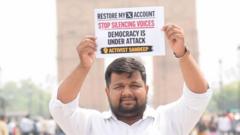
The reaction to this proposal has been mixed but mostly worried. Many independent journalists and podcasters feel that these rules are a threat to free speech. They argue that small creators do not have the money or the legal teams to deal with government paperwork or constant complaints. On the other hand, some traditional media companies support the move. They feel it is unfair that they have to follow strict laws while social media stars can say whatever they want without consequences. Digital rights groups have also raised concerns, calling the proposal a form of "digital censorship" that could silence voices that disagree with the government.
What This Means Going Forward
If these rules become law, the way we use social media in India will change. Creators will likely become much more careful about what they say. We might see fewer people talking about sensitive political topics because they are afraid of getting into legal trouble. For the average viewer, this could mean that the news they see on YouTube or Instagram becomes more "official" and less diverse. The next steps involve a period where the public can give feedback on the proposal before the government makes a final decision on when to start enforcing the rules.
Final Take
The move to regulate social media influencers shows that the digital world is no longer seen as a separate space from real-world politics. While the government claims this will make the internet safer and more truthful, it also creates a system where the state has a lot of power over individual speech. The balance between stopping misinformation and protecting the right to speak freely is becoming harder to maintain in the digital age.
Frequently Asked Questions
Who exactly will these new rules affect?
The rules target anyone who regularly posts news or political commentary on social media, especially those with a large number of followers. This includes YouTubers, podcasters, and influencers on platforms like Instagram and X.
Will influencers have to register with the government?
Yes, the proposal suggests that digital news creators may need to register and provide details about their operations to the government to ensure they are following the new code of ethics.
What happens if a creator breaks these rules?
If a creator shares content that violates the guidelines, the government could order the content to be taken down. In more serious cases, the creator could face fines or even lose their ability to post on social media platforms.