
Summary
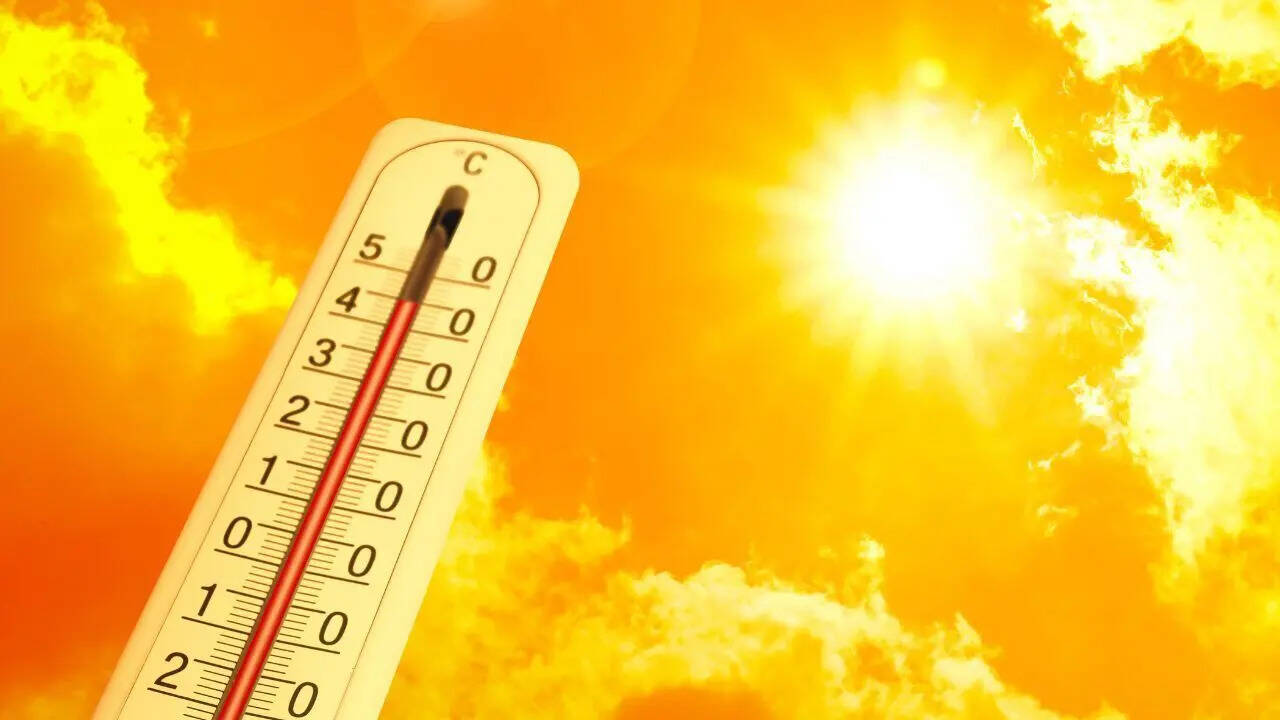
India is currently facing a severe heatwave that has pushed temperatures to a dangerous 46 degrees Celsius in several cities. This extreme weather is turning many parts of the country into a furnace, making it difficult for people to go about their daily lives. The heat is not just a matter of discomfort; it is a serious health risk that affects millions of residents. As the sun beats down, the country is struggling to manage the impact on its people, its power supply, and its water resources.
Main Impact
The primary impact of this extreme heat is on public health and safety. When temperatures hit 46 degrees Celsius, the human body struggles to cool itself down. This leads to a rise in heat-related illnesses such as heat exhaustion and heatstroke. Hospitals in the hardest-hit areas are reporting more patients coming in with dehydration and high fevers. Beyond health, the heat is putting a massive strain on the national power grid. As millions of people turn on fans and air conditioners at the same time, the demand for electricity has reached record levels, leading to concerns about potential power cuts in some regions.
Key Details
What Happened
Over the past week, a massive wave of hot air has settled over North and Central India. Cities that usually expect warm weather in April are now seeing temperatures that are more common in the peak of June. The heat started rising early in the morning and stayed high well into the evening. This means there is very little relief for people, even after the sun goes down. The ground and buildings soak up the heat during the day and release it at night, keeping the air warm and heavy.
Important Numbers and Facts
Several cities have officially recorded temperatures of 46 degrees Celsius (about 115 degrees Fahrenheit). This is significantly higher than the average temperatures for this time of year. In many states, the heat is 4 to 6 degrees above what is considered normal. Weather experts note that the number of "heatwave days" in India has been increasing over the last decade. This year, the heat has arrived earlier than expected, catching many people off guard. Water levels in major reservoirs are also dropping quickly, with some areas reporting levels that are 20% lower than they were at this time last year.
Background and Context
India has always had hot summers, but the intensity of the heat is changing. Scientists say that global weather changes are making these heatwaves more frequent and much stronger. In large cities, the problem is made worse by something called the "urban heat island" effect. This happens because cities have a lot of concrete, asphalt, and buildings that trap heat. There are often not enough trees or parks to help cool the air down. For people living in crowded urban areas or in homes without proper cooling, the 46-degree weather is almost unbearable. This situation highlights the growing challenge of keeping people safe as the planet gets warmer.
Public or Industry Reaction
The government has issued several warnings asking people to stay indoors during the hottest parts of the day, usually between 11 AM and 4 PM. In some states, schools have changed their hours to finish earlier in the morning so children are not traveling in the midday sun. Labor unions are also calling for better protection for outdoor workers, such as construction crews and delivery drivers, who have no choice but to work in the heat. Farmers are particularly worried because the extreme heat can dry out crops before they are ready to be harvested, which could lead to higher food prices in the coming months.
What This Means Going Forward
This heatwave is a sign that India needs to change how it prepares for summer. Moving forward, there will be a greater need for "cool roofs" and more green spaces in cities to lower the local temperature. The government may also need to invest more in renewable energy to meet the growing demand for cooling without causing more pollution. On a personal level, people are being encouraged to learn the signs of heat sickness and to look out for vulnerable neighbors, such as the elderly and those living alone. If these high temperatures become the new normal, the way people work, build houses, and grow food will have to change to survive.
Final Take
The current situation in India shows how extreme weather can disrupt an entire nation. While 46 degrees Celsius is a shocking number, it is a reality that millions are now forced to live with. Staying safe requires a mix of immediate caution and long-term planning. As the heat continues, the focus must remain on protecting human life and ensuring that basic services like water and power remain available to everyone.
Frequently Asked Questions
How hot is 46 degrees Celsius?
It is extremely hot, equal to about 115 degrees Fahrenheit. At this temperature, it is dangerous to stay outside for long periods because the body can overheat very quickly.
Which parts of India are the hottest right now?
The highest temperatures are being recorded in North and Central India, including states like Rajasthan, Uttar Pradesh, Maharashtra, and parts of Odisha.
What can I do to stay safe during a heatwave?
Drink plenty of water even if you do not feel thirsty. Stay indoors during the afternoon, wear light cotton clothes, and use umbrellas or hats if you must go outside.

