
Summary
Following a recent government order in Tamil Nadu to regulate cosmetic clinics, medical professionals across India are calling for similar rules nationwide. Doctors are worried about the rapid growth of the hair transplant industry, which has led to a rise in health risks and botched surgeries. The goal is to create a set of national safety standards that protect patients from unqualified workers and unsafe clinic conditions. This movement aims to ensure that cosmetic procedures are only performed by trained experts in proper medical settings.
Main Impact
The primary impact of this demand is a push for better patient safety in the beauty and grooming industry. For years, the hair transplant business has grown quickly without much government oversight. This lack of control has allowed many "quacks"—people who are not qualified doctors—to perform complex surgeries. By asking for national rules, doctors hope to stop these illegal practices. If the government listens, it could mean that every clinic in India will need a special license and the right medical equipment to operate. This would significantly lower the chances of infections, scarring, and even death during these procedures.
Key Details
What Happened
The state of Tamil Nadu recently took a big step by introducing strict guidelines for clinics that offer cosmetic treatments. This move was triggered by reports of health problems and deaths linked to poorly handled surgeries. Seeing this success, the Indian Association of Dermatologists, Venereologists and Leprologists (IADVL) has started a campaign to make these rules apply to the whole country. They believe that a single state’s rules are not enough because people often travel to different parts of India for cheaper treatments. Without a national law, unsafe clinics can simply move to a different state to avoid punishment.
Important Numbers and Facts
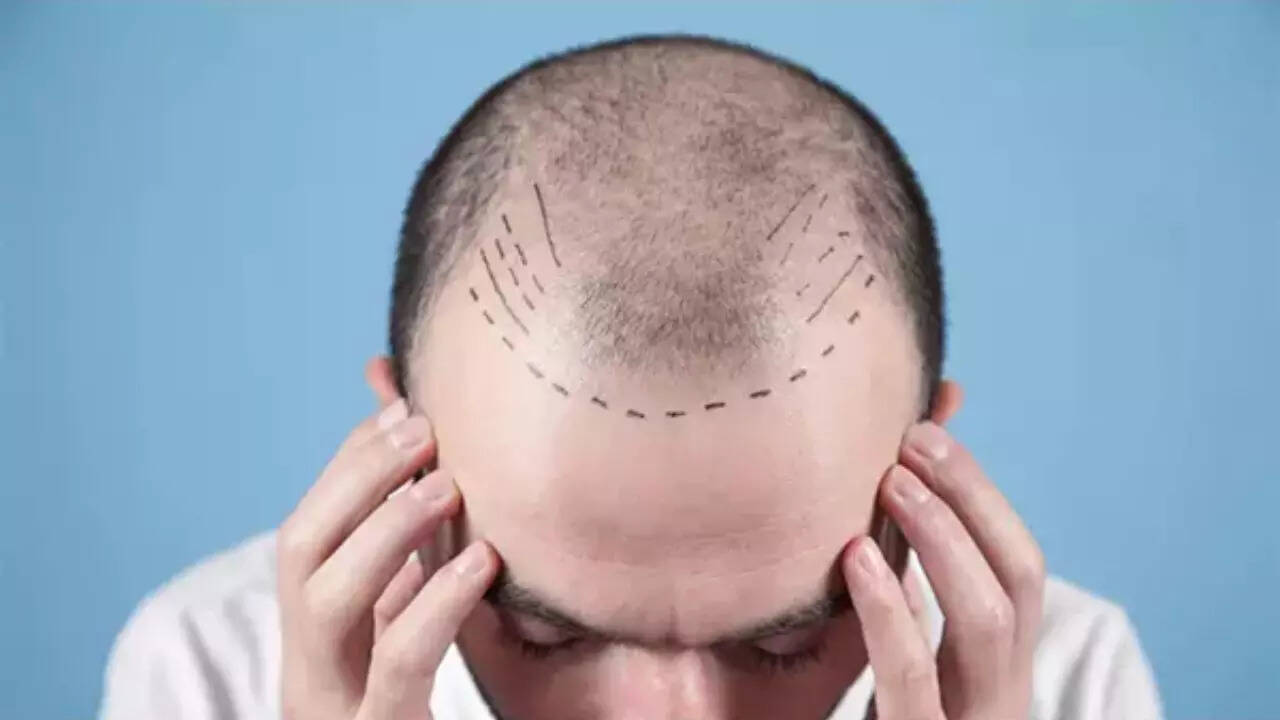
The hair transplant market in India has become a multi-million dollar industry. Because of the high demand, thousands of new clinics have opened in the last few years. However, medical experts point out that a large number of these clinics do not have the necessary tools to handle emergencies. A hair transplant is not just a simple haircut; it is a surgery that involves local anesthesia and small cuts on the scalp. If the anesthesia is not given correctly, it can lead to heart failure or severe allergic reactions. Doctors report that they are seeing more patients coming to them to fix mistakes made by low-cost, unregulated clinics.
Background and Context
The boom in hair transplants is largely driven by social media. Many young people feel pressured to look a certain way because of what they see on apps like Instagram and YouTube. Influencers often promote hair restoration as a quick and easy fix. This high demand has led to a "price war" where clinics try to offer the lowest possible cost to attract customers. To keep prices low, some clinics cut corners by hiring untrained staff instead of qualified surgeons. They may also use tools that are not properly cleaned, which increases the risk of spreading diseases. In simple terms, the industry has grown so fast that the laws have not been able to keep up.
Public or Industry Reaction
The medical community has reacted strongly to the current situation. Qualified dermatologists and plastic surgeons are frustrated that their profession is being harmed by "quacks." They argue that a hair transplant should only be done in a place that has a backup power supply, sterile rooms, and a plan for emergencies. On the other hand, some small clinic owners worry that strict rules might make it harder for them to stay in business. However, the general public is becoming more aware of the dangers. Many people are now supporting the call for regulation, realizing that a cheap surgery is not worth the risk of permanent health damage.
What This Means Going Forward
In the coming months, we may see the central government update the Clinical Establishments Act to include specific rules for cosmetic surgery. This would likely require clinics to display the degrees and certificates of their doctors clearly. It might also lead to regular inspections by health officials to check for cleanliness and safety equipment. For people planning to get a hair transplant, this means they will have more information to help them choose a safe clinic. The focus will shift from finding the cheapest price to finding the most qualified medical professional.
Final Take
Looking good should never be more important than staying alive. While cosmetic procedures can help boost confidence, they must be treated as serious medical operations. The call for national regulations is a necessary step to clean up the industry and protect citizens. Until these rules are in place, it is up to the individual to do their homework and ensure they are putting their health in the hands of a real doctor.
Frequently Asked Questions
Why are hair transplants considered risky?
They are risky because they involve surgery and anesthesia. If the person doing the procedure is not a trained doctor, they might not know how to handle complications like heavy bleeding or a bad reaction to medicine.
How can I tell if a clinic is safe?
A safe clinic will be run by a qualified dermatologist or plastic surgeon. You should ask to see their medical registration and check if the facility is clean and has emergency medical equipment on site.
What did the Tamil Nadu order change?
The order set specific safety standards for cosmetic clinics, including requirements for staff qualifications and the type of medical tools that must be available. Doctors now want these same standards to apply to all of India.



