
Summary
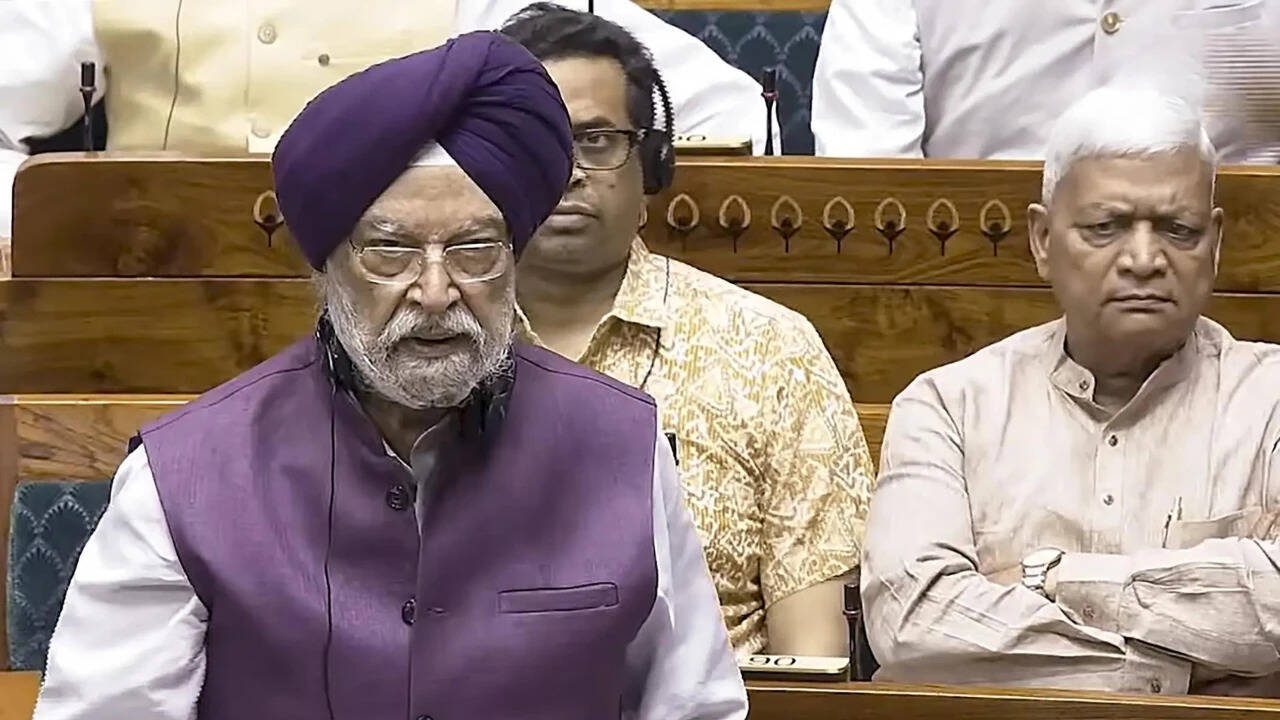
India's Petroleum and Natural Gas Minister, Hardeep Singh Puri, has issued a strong assurance regarding the country's fuel supplies. Amid growing tensions and conflict in the Middle East, the Minister stated that there is no need for panic or concern over oil shortages. He specifically warned against spreading false information or rumors that could lead to public anxiety. The government is closely monitoring global events to ensure that energy remains available and affordable for all citizens.
Main Impact
The primary impact of the Minister's statement is to stabilize the domestic market and prevent panic buying at petrol pumps. When conflicts happen in the Middle East, global oil prices often go up, and people worry that fuel will run out. By speaking out early, the government aims to keep the economy steady. This assurance helps businesses and transport services plan their operations without fear of a sudden supply cutoff. It also sends a message to global markets that India is prepared and has a solid plan to manage its energy needs.
Key Details
What Happened
Minister Hardeep Singh Puri addressed the media to clear up worries about how the Middle East crisis might affect India. He explained that the government has been working for a long time to make sure India does not depend on just one part of the world for its oil. He told reporters that this is "not the moment for rumour-mongering" and asked everyone to rely on official facts rather than social media speculation. The Minister confirmed that the supply chain remains intact and that oil companies are working as usual.
Important Numbers and Facts
India is currently the third-largest consumer of crude oil in the world. To protect itself from global shocks, the country imports oil from over 30 different nations. This diversification is a key part of India's energy strategy. Additionally, India maintains strategic petroleum reserves, which are massive underground storage facilities filled with millions of tons of crude oil. These reserves act as a backup in case of a major international emergency. The government also tracks the daily movement of oil tankers to ensure they can navigate safely around conflict zones.
Background and Context
The Middle East is a vital region for the world's energy supply because it contains some of the largest oil producers and most important shipping routes. One of these routes is the Strait of Hormuz, a narrow waterway that carries a huge portion of the world's daily oil trade. When fighting starts in this region, shipping companies often have to pay more for insurance or take longer routes to avoid danger. This can make the cost of oil go up everywhere. India imports about 85% of the oil it uses, which is why any trouble in the Middle East is a serious matter for the Indian economy. In recent years, India has increased its purchases from countries like Russia and Brazil to reduce its reliance on Middle Eastern oil.
Public or Industry Reaction
The reaction from the industry has been mostly positive. Oil marketing companies have noted that their stock levels are healthy and that there is no immediate threat to fuel availability. However, some experts in the shipping industry have pointed out that freight costs are rising because of the risks involved in sailing through certain areas. On the public side, there was some initial worry on social media, which is why the Minister felt it was necessary to speak out. Financial analysts suggest that while global prices might be volatile, the Indian government has enough tools to keep local prices from jumping too high too quickly.
What This Means Going Forward
Moving forward, the Indian government will continue to watch the situation in the Middle East every day. If the conflict lasts a long time, India may look to buy even more oil from the United States or African nations. There is also a long-term plan to move away from oil by using more biofuels, natural gas, and electric vehicles. For now, the focus is on keeping the current supply lines open and ensuring that petrol and diesel prices do not hurt the pockets of regular people. The government is also in constant talk with international energy agencies to coordinate responses if the global supply drops significantly.
Final Take
India is better prepared for energy challenges today than it has been in the past. Through careful planning and buying oil from many different countries, the government has built a shield against international instability. While the situation in the Middle East is serious, the Minister’s message is clear: there is enough fuel for everyone, and there is no reason to worry about a shortage. Citizens should stay calm and ignore unverified claims about fuel scarcity.
Frequently Asked Questions
Is there a shortage of petrol or diesel in India?
No, the government has confirmed that there is plenty of fuel in stock and the supply chain is working normally despite the conflict in the Middle East.
Will fuel prices go up because of the conflict?
While global oil prices can change due to war, the Indian government and oil companies are working to keep domestic prices stable for as long as possible.
What are strategic petroleum reserves?
These are large emergency stocks of crude oil stored by the government in underground facilities to be used if there is a major disruption in global oil supplies.



